

Pashmina 100% Cashmere from India
Read more Show less
The price of a 100% cashmere pashmina varies according to the quality of the fibre, the weaving time and the weight of each piece. Discover also our complete pashmina collection.
Hand weaving a 100% cashmere pashmina
Each 100% cashmere pashmina is handwoven on traditional looms in the Kashmir region. This craftsmanship requires at least one day of work, and several days depending on the complexity of the piece, to create an entirely handcrafted textile using techniques passed down through generations.
The Himalayan goat: the origin of 100% pashmina
The fibre used for 100% pashmina comes from the down of goats adapted to the high plateaus of the Himalayas. In this cold, high-altitude environment, they naturally develop a particularly soft and warm undercoat that gives pashmina its sought-after qualities.
Do Rukha weaving: meticulous craftsmanship
Some of our 100% cashmere pashminas are made using the Do Rukha technique, which creates two sides in different colours. This weaving requires particularly meticulous work: the weaver must change yarn during the process and constantly control the tension of the weave to achieve an even result. This technique requires more time and precision than a plain pashmina. To discover another traditional Kashmir craft, explore our range of hand-embroidered pashminas.
Plain, two-tone or multicoloured pashminas
Our 100% cashmere pashminas can be plain, two-tone using the Do Rukha technique, or composed of many different colours. Multicoloured designs require particularly meticulous work, as the weaver must change yarn many times during the weaving process to create each stripe and each shade. The more colours the design contains, the more precision and time the weaving requires. To discover another range made in the Himalayas, explore our Nepal cashmere and silk pashmina.


Natural Ecru Pashmina


Natural Grey-Beige Pashmina


Natural Taupe Pashmina


Natural Ivory Pashmina


Black Pashmina


Beige Pashmina
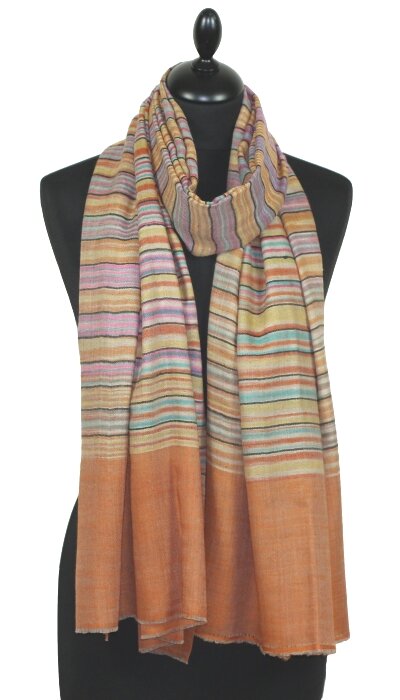
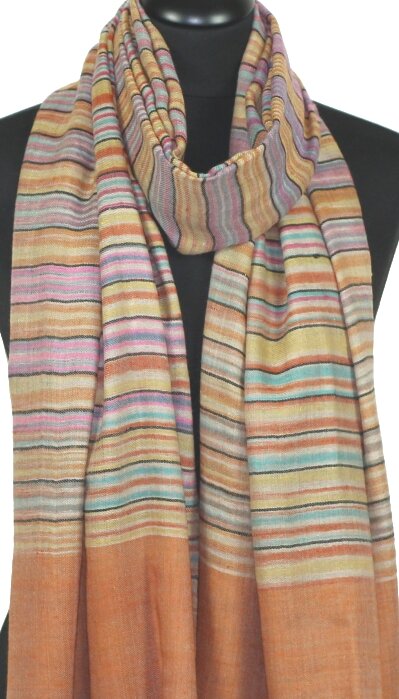
Multicolor Striped Pashmina
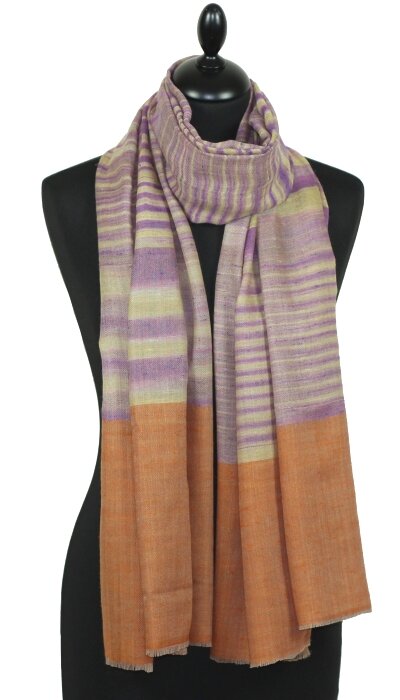
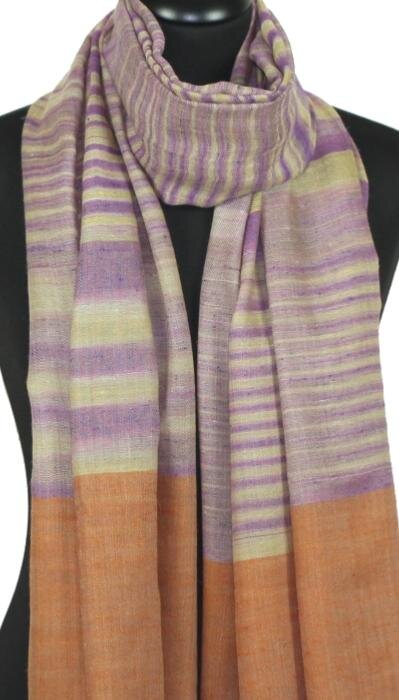
Lilac-Champagne-Orange Pashmina
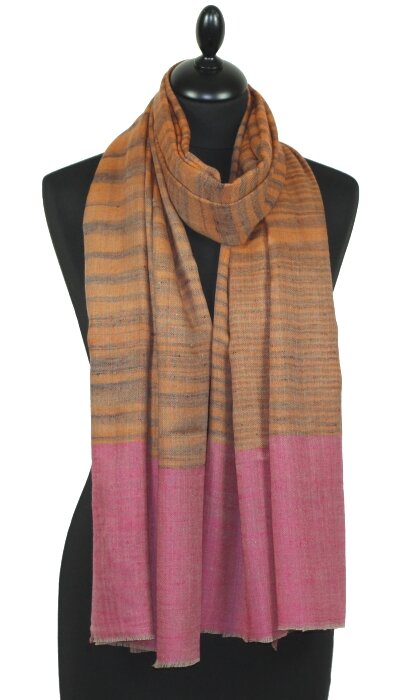
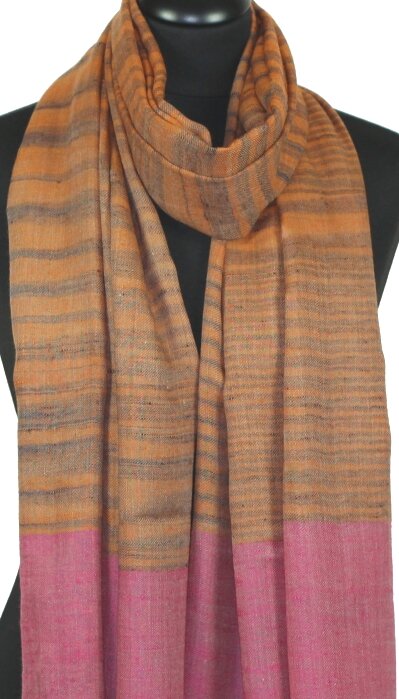
Orange-Black-Fuchsia Pashmina
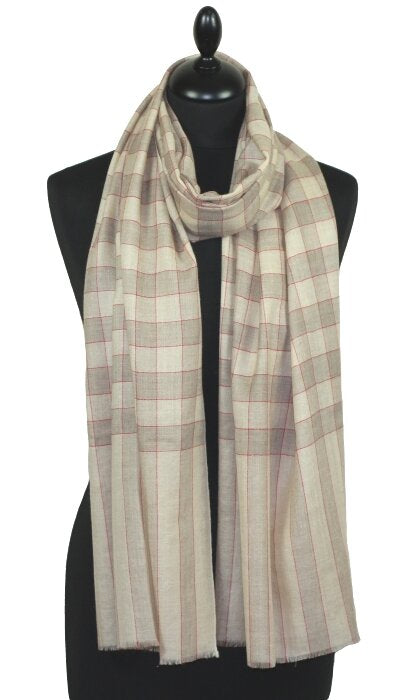
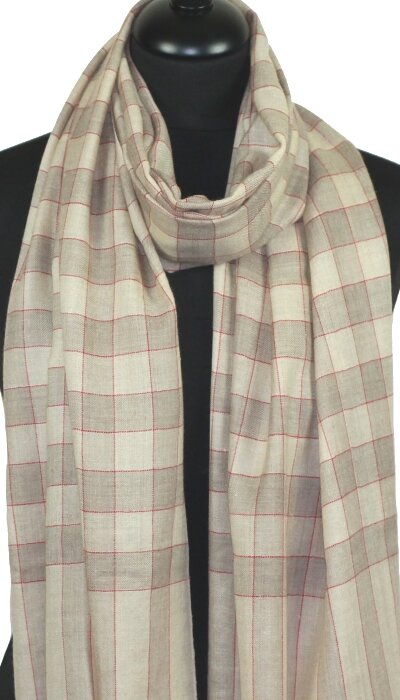
Natural Beige Pashmina
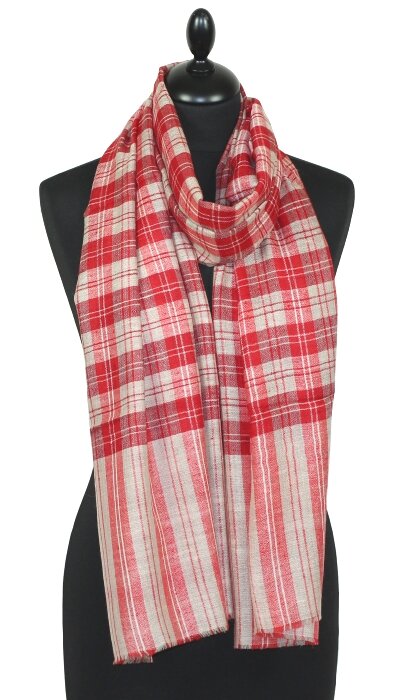
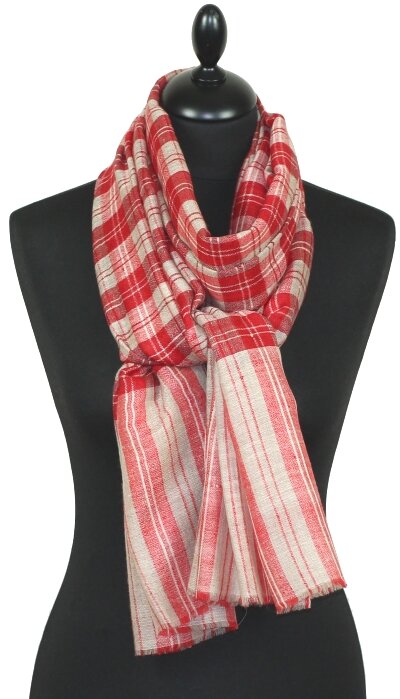
Red-Ecru Pashmina

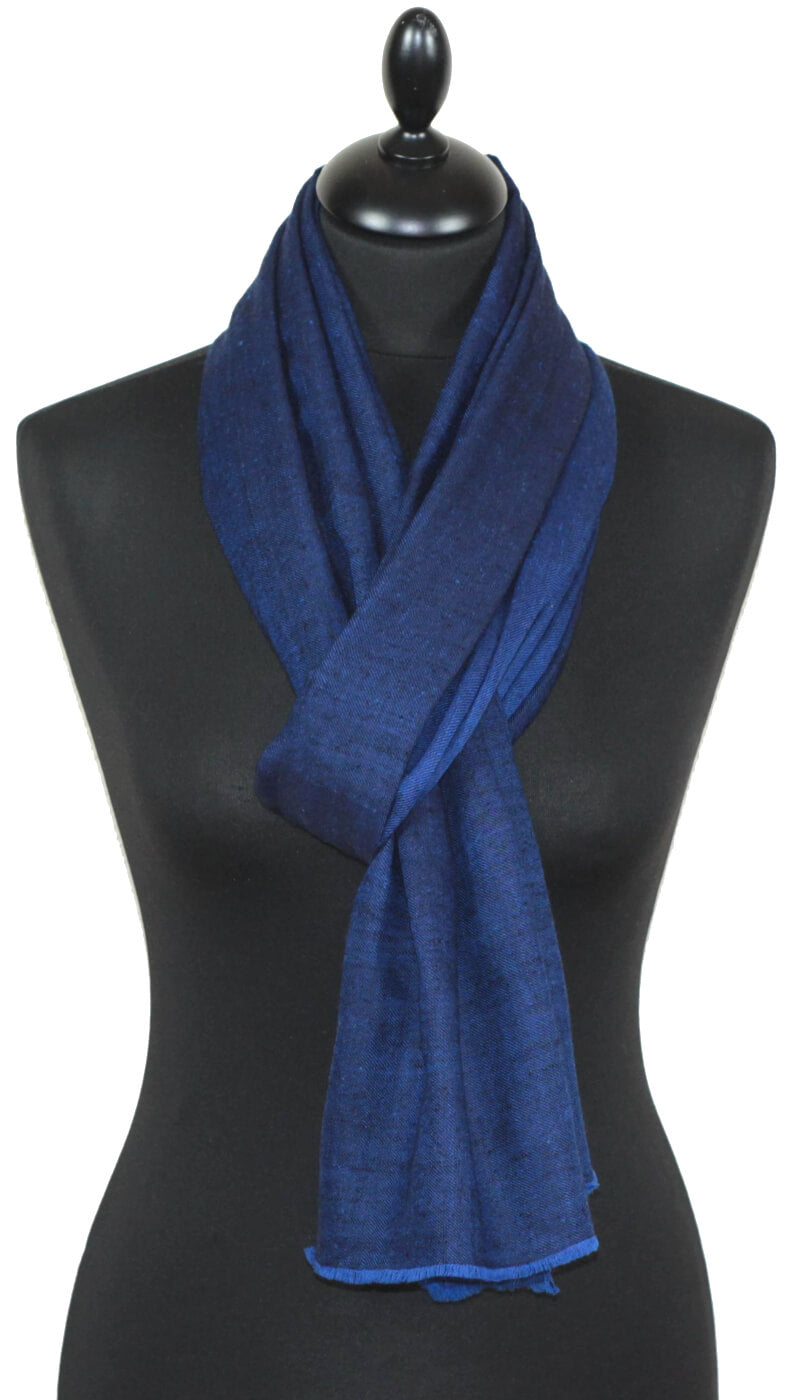
Two-Tone Navy Blue-Blue Pashmina

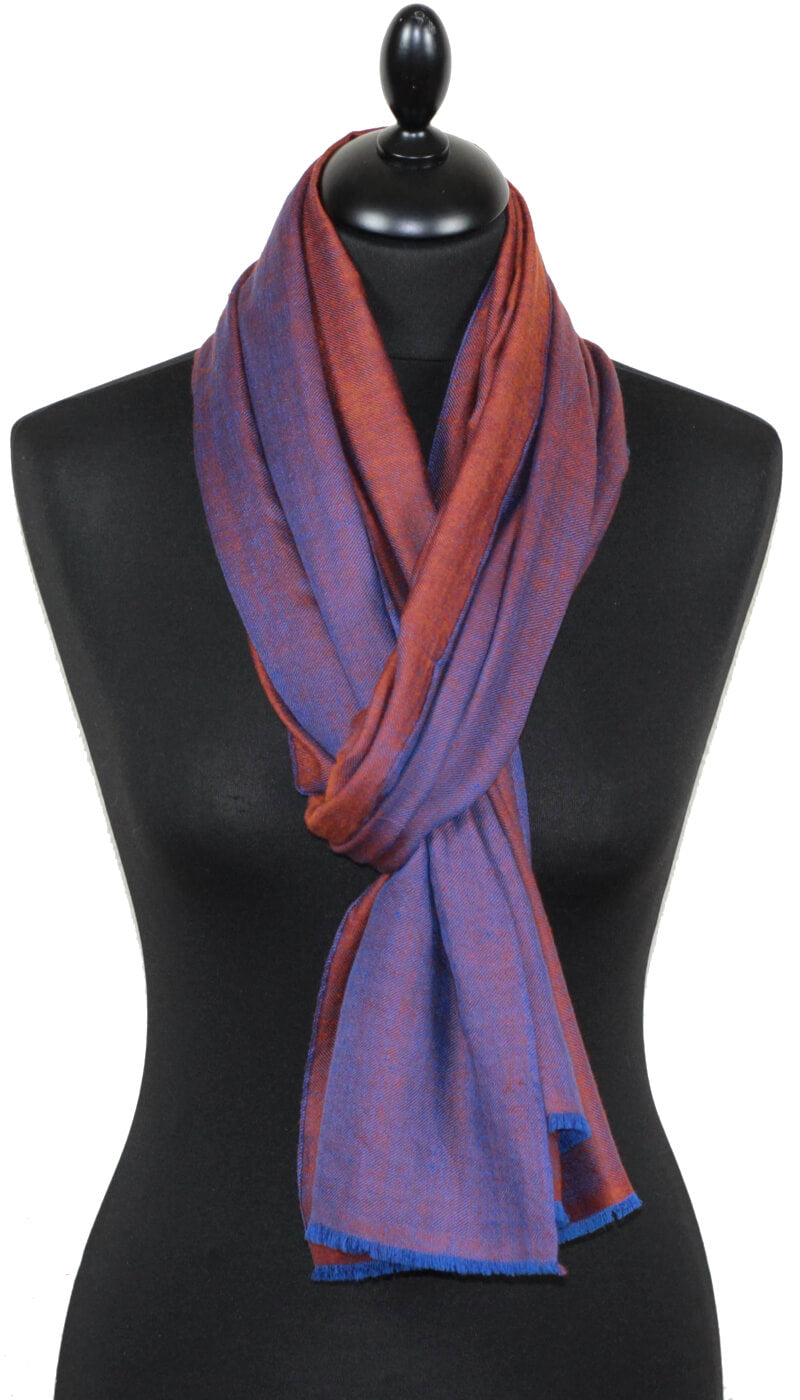
Two-Tone Brick Red-Blue Pashmina

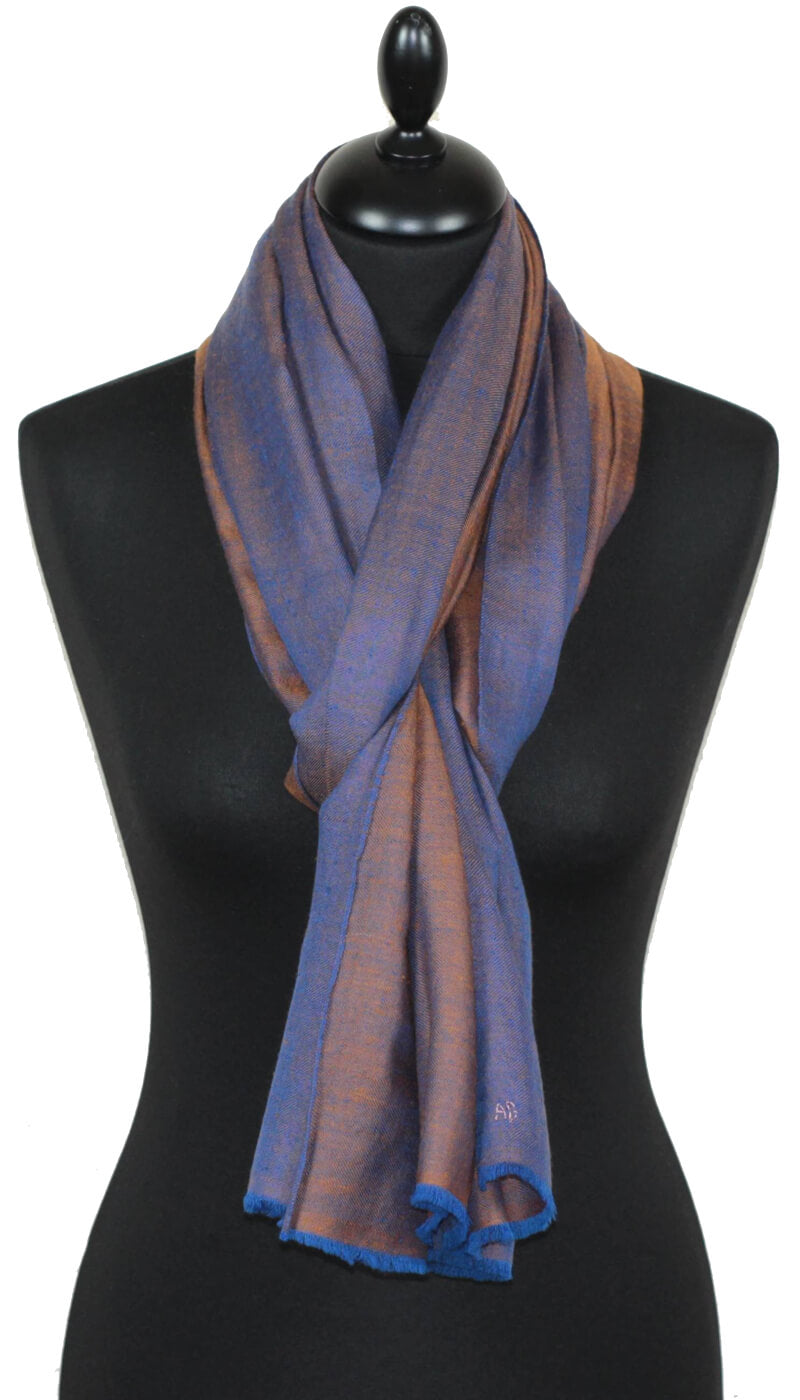
Two-Tone Orange-Blue Pashmina

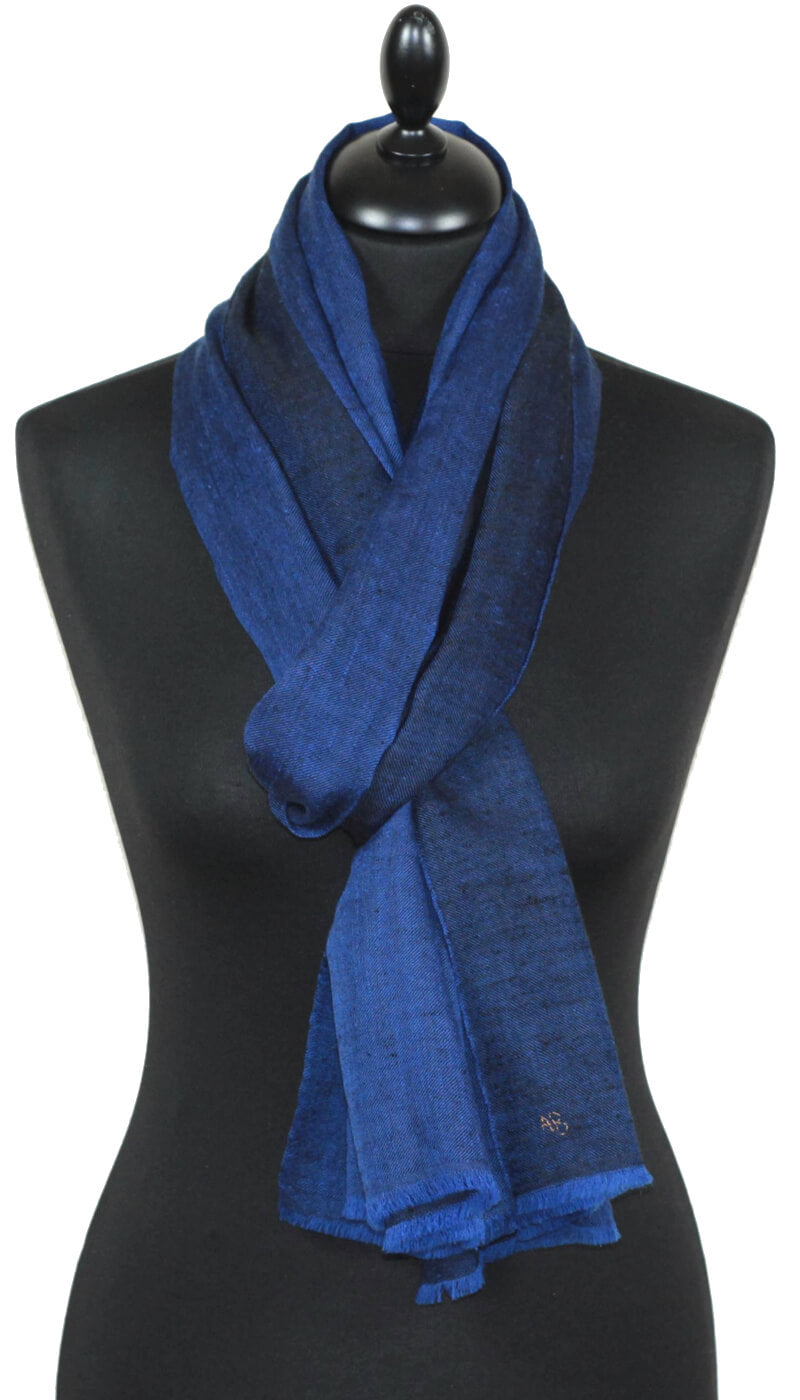
Two-Tone Blue-Black Pashmina

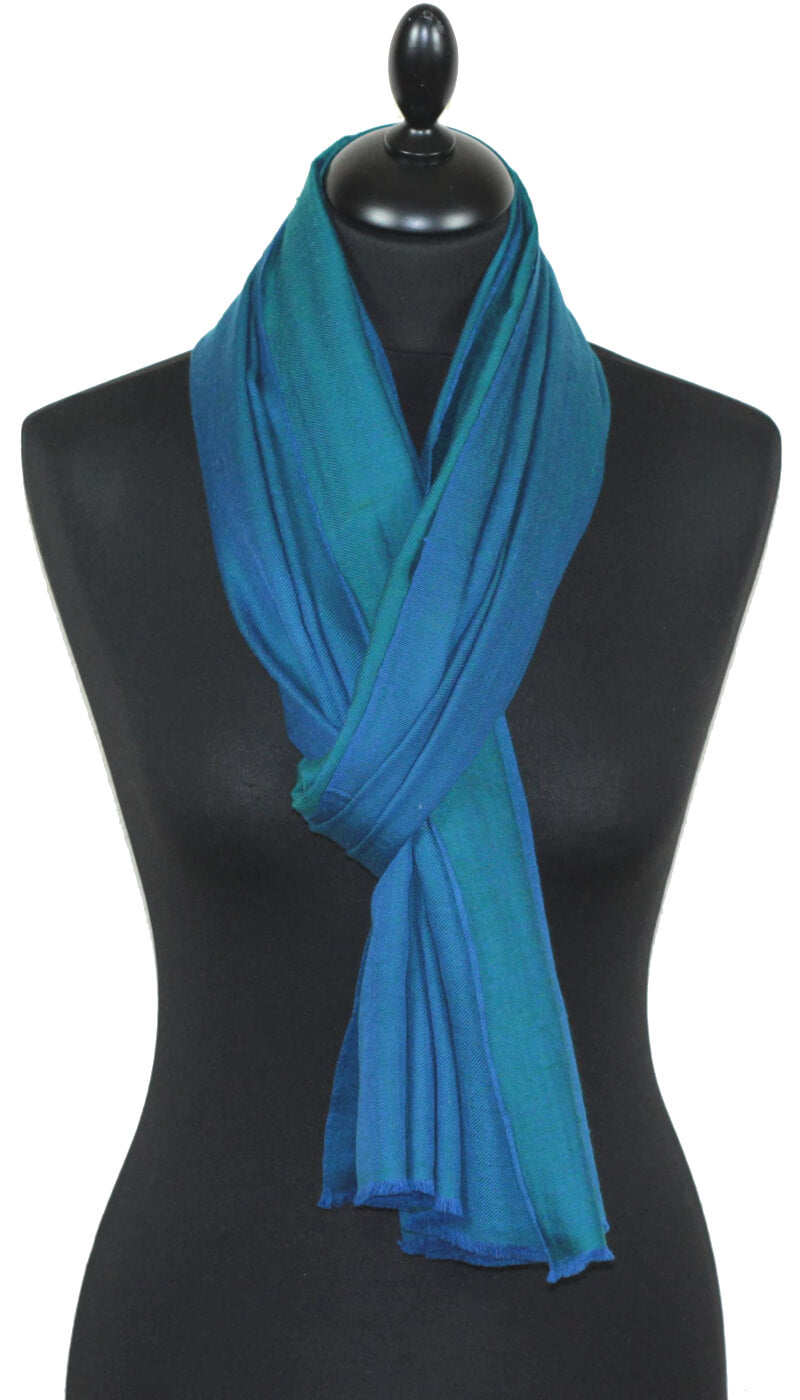
Two-Tone Blue-Teal Pashmina
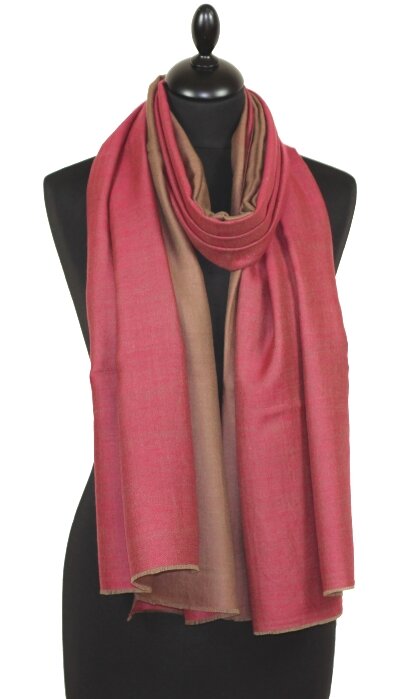
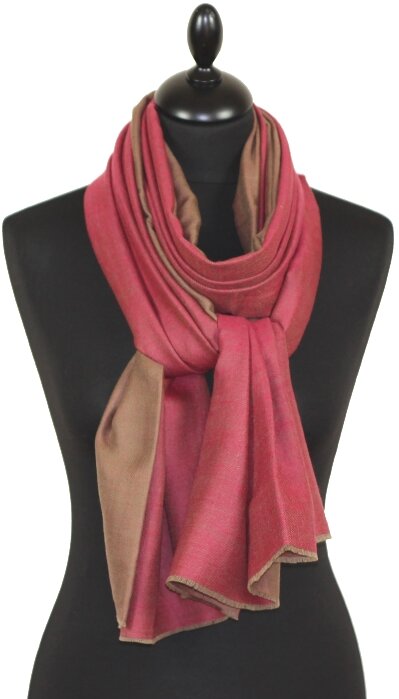
Two-Tone Fuchsia-Beige Pashmina
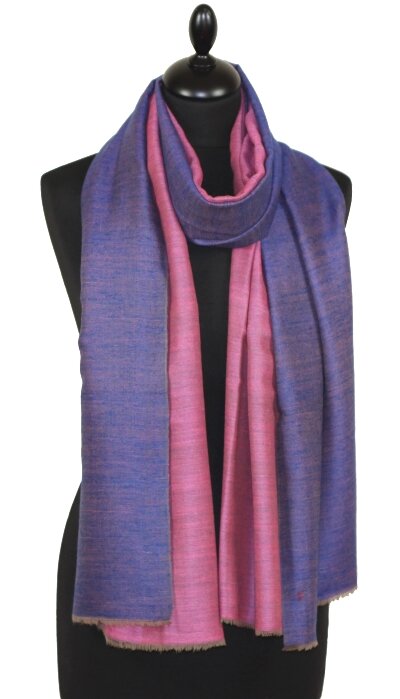

Two-Tone Blue-Pink Pashmina
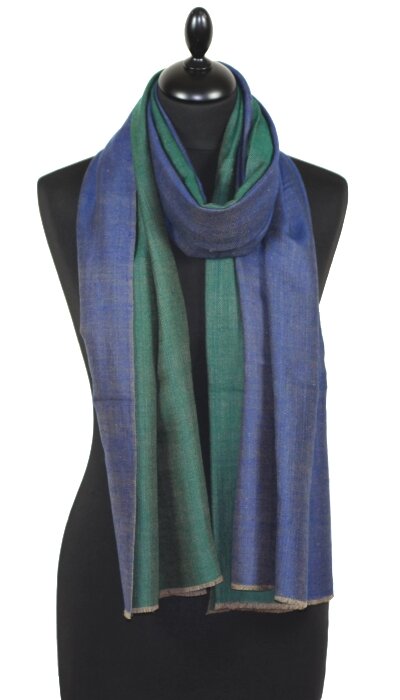
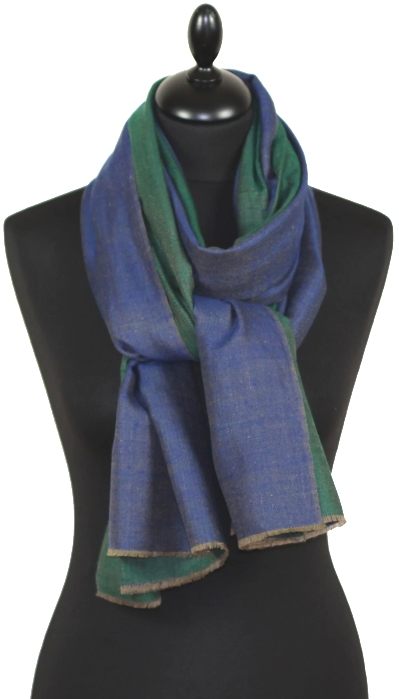
Two-Tone Blue-Green Pashmina
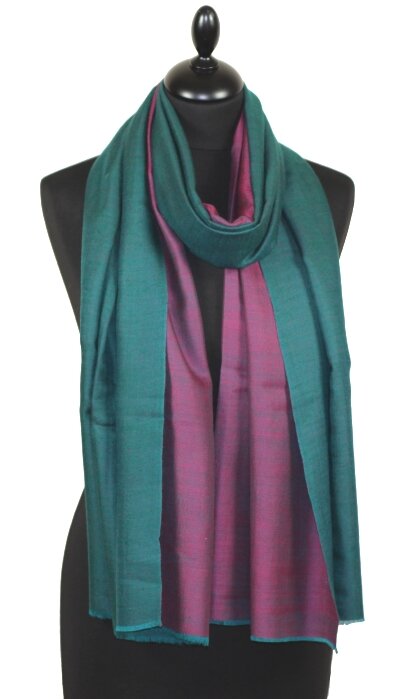
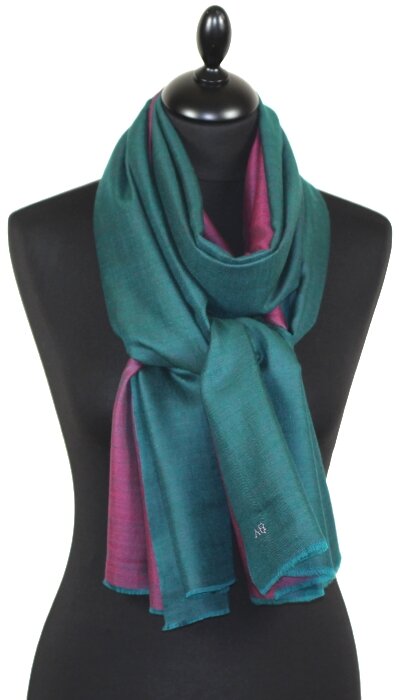
Two-Tone Green-Fuchsia Pashmina
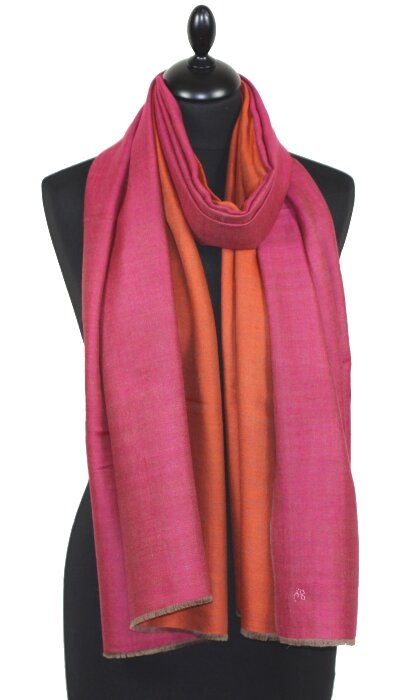
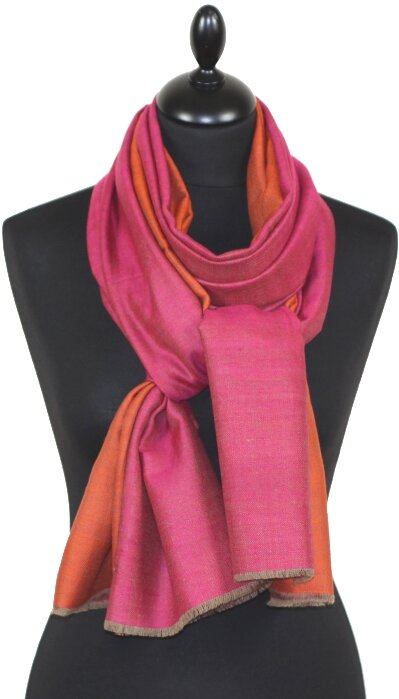
Two-Tone Fuchsia-Orange Pashmina
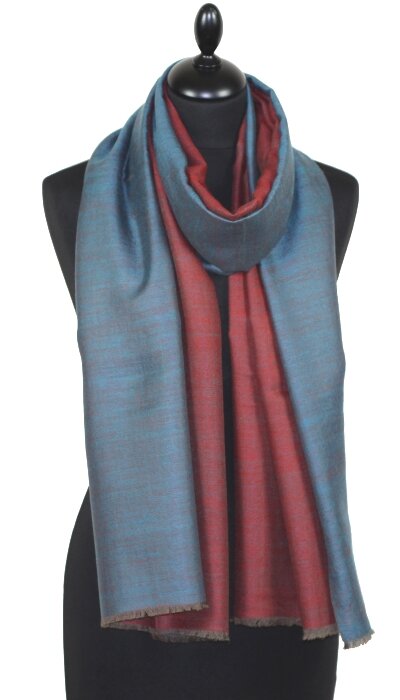
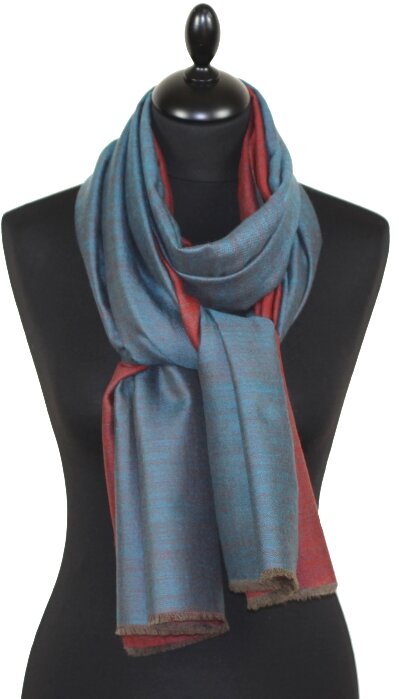
Two-Tone Blue-Red Pashmina
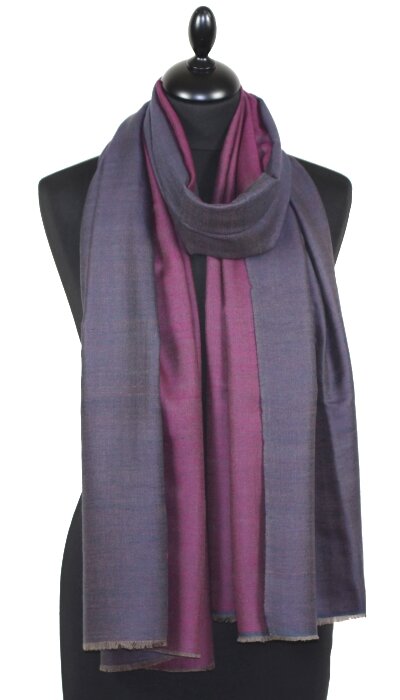
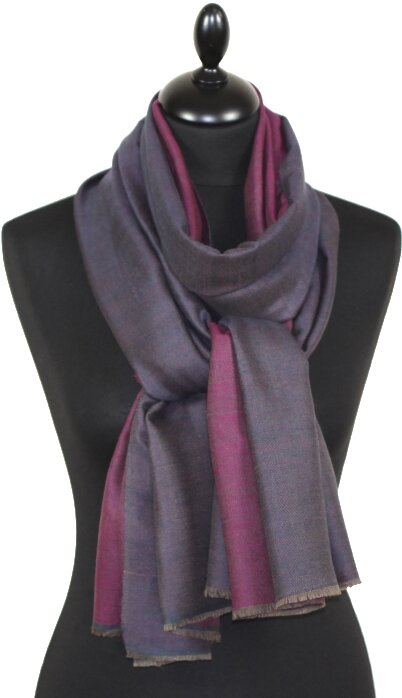
Two-Tone Navy-Fuchsia Pashmina

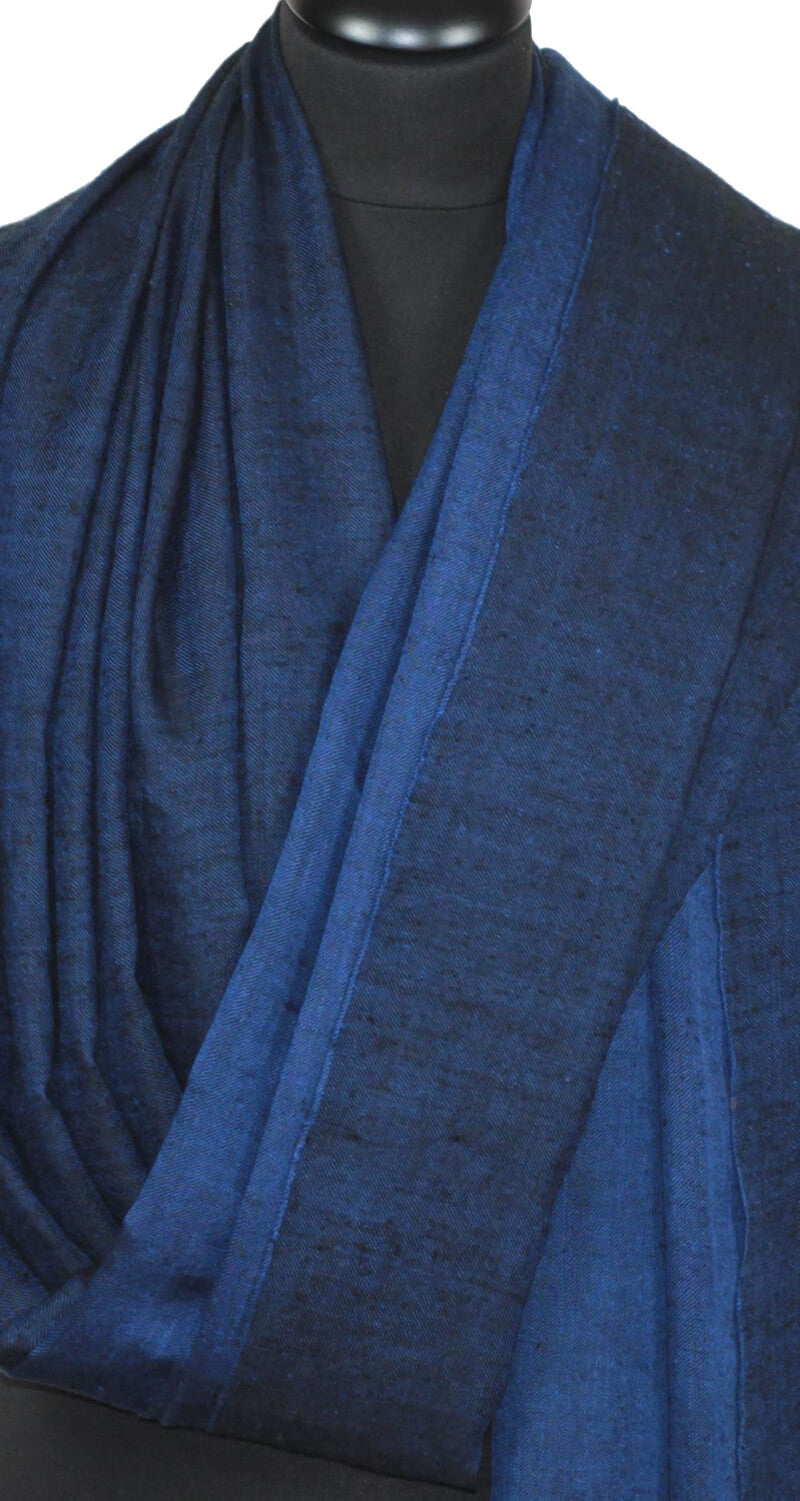
Large Two-Tone Black-Blue Pashmina

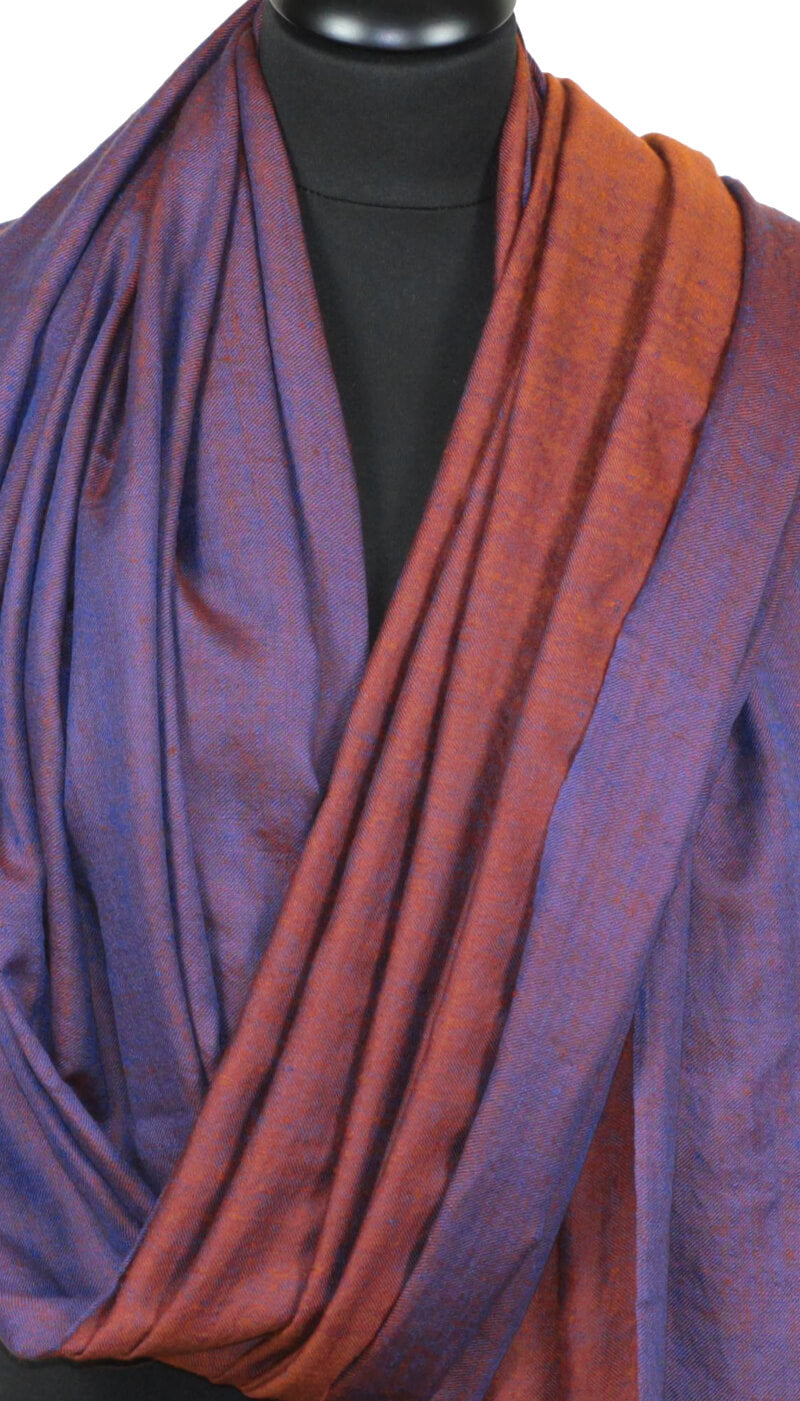
Large Two-Tone Brick Red-Blue Pashmina

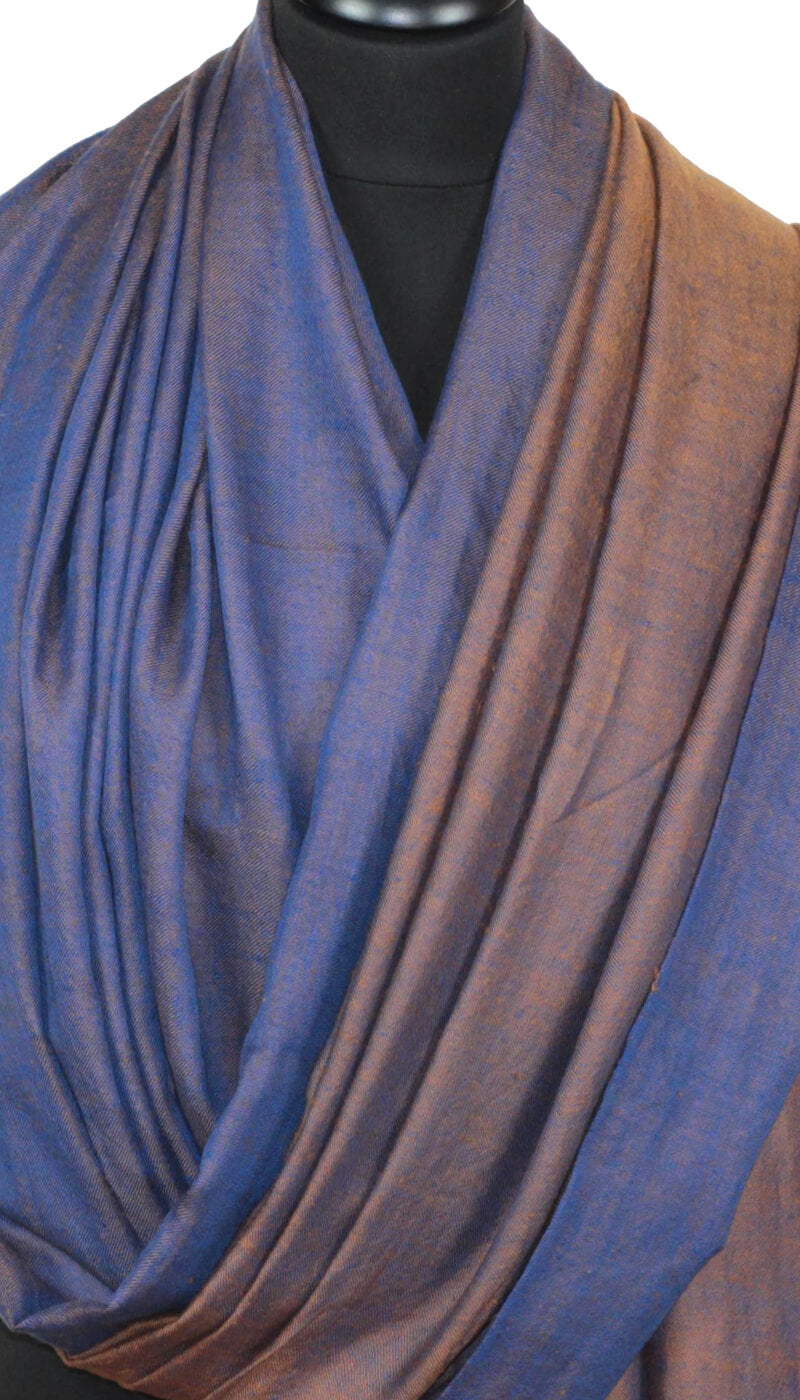
Large Two-Tone Orange-Blue Pashmina

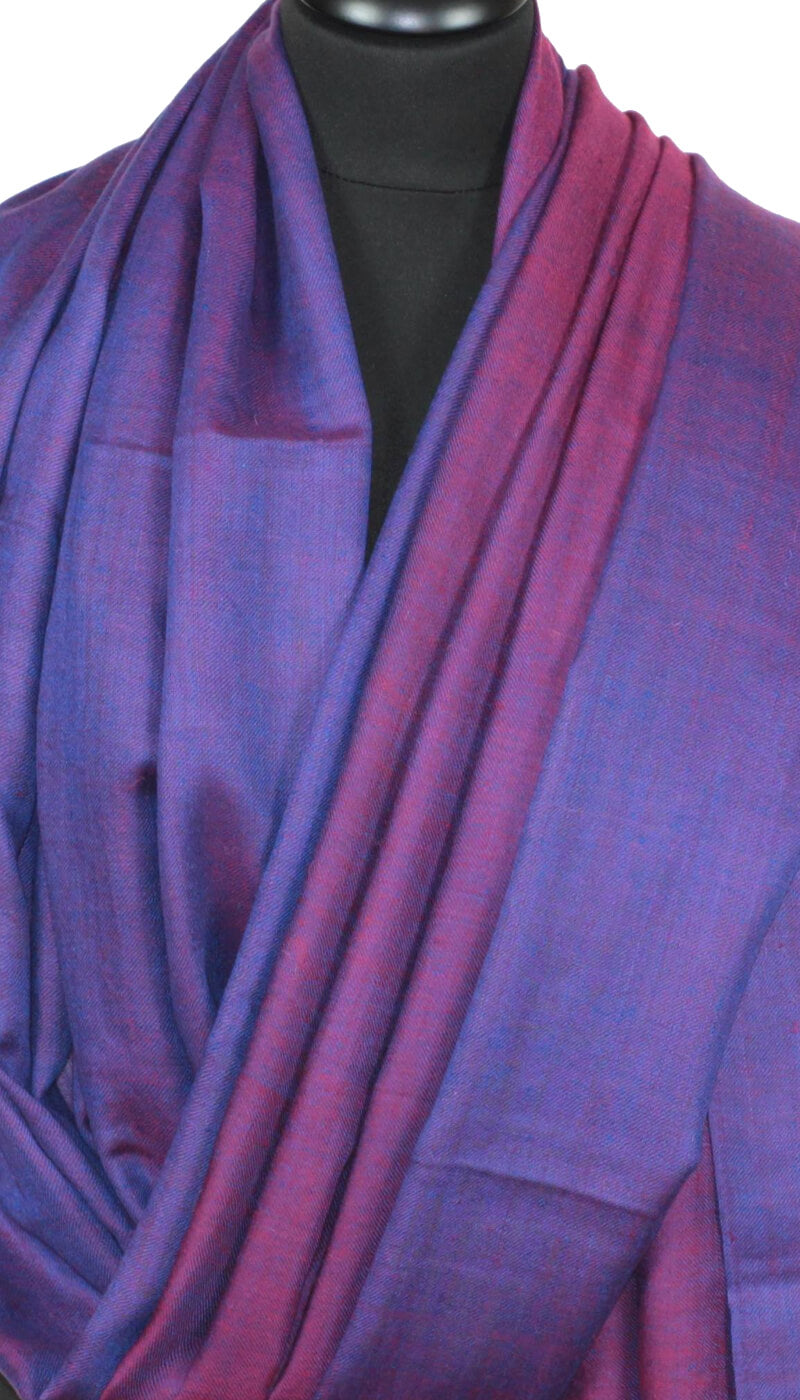
Large Two-Tone Fuchsia-Blue Pashmina
Frequently asked questions
A 100% cashmere pashmina is made entirely from cashmere, without any added silk or other fibres. It is appreciated for its softness, suppleness, warmth and especially pleasant feel. Hand weaving also contributes to the unique character of each piece.
A 100% cashmere pashmina owes its qualities to the very fine down of Himalayan goats. This fibre naturally traps air, helping to retain warmth while remaining lightweight. This combination makes the pashmina comfortable to wear without feeling heavy.
The price of a 100% cashmere pashmina varies according to the quality and fineness of the fibre, the weight of the piece, the time required for weaving and the complexity of its production. Models requiring several days of artisanal work can therefore reach higher prices.
A 100% cashmere pashmina should be washed carefully, preferably by hand in cold or lukewarm water with a mild soap. Rinse without twisting, then leave it to dry flat, away from sunlight and any direct source of heat. Avoid tumble drying.