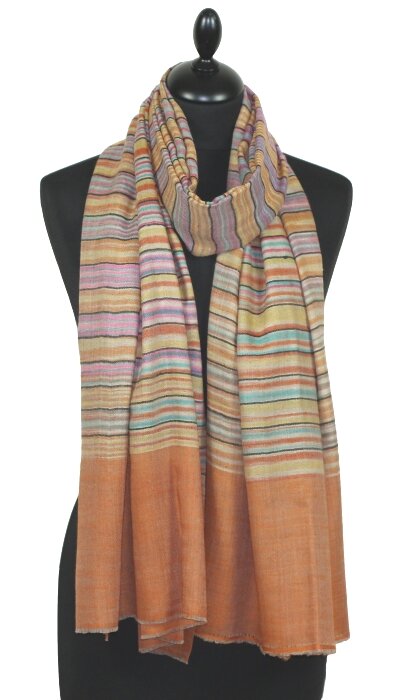
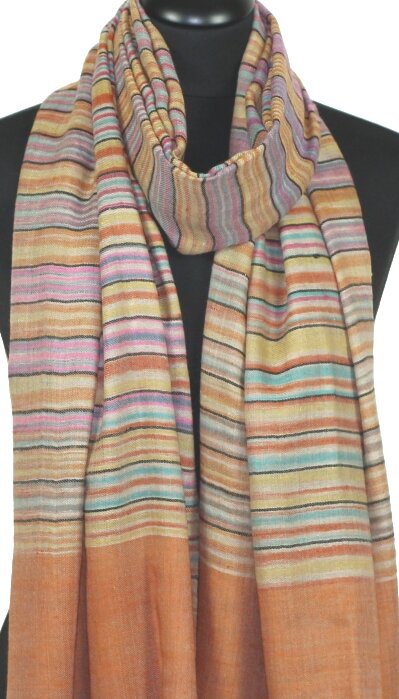
pashmina
Read more Show less
How to Choose the Right Pashmina
Finding the right pashmina comes down to the fabric and style you love. A Nepal pashmina made from 70% cashmere and 30% silk offers a soft, lightweight feel and an elegant drape. A 100% cashmere pashmina provides exceptional softness and natural warmth, while a hand-embroidered pashmina stands out for its intricate designs and traditional craftsmanship. Each style brings something special to everyday wear and dressier occasions.
What Is a Pashmina?
A pashmina is a luxurious textile known for its remarkable softness, lightness, and warmth. Traditionally, pashmina is made from the exceptionally fine undercoat of Himalayan goats that live at elevations above 3,000 meters. These delicate fibers are valued for their soft texture and excellent insulating properties.
Want to learn more about this remarkable fabric? Explore its history, origins, and unique characteristics in our guide: What Is a Pashmina?
Pashmina: Explore Our Three Collections
Nepal Pashmina in Cashmere and Silk
Our Nepal pashmina is made from 70% cashmere and 30% silk, combining softness, warmth, and a lightweight feel. Its delicate weave creates a beautiful drape and natural sheen, making it an elegant accessory for any occasion.
Indian Pashmina in 100% Cashmere
Our 100% cashmere pashmina is prized for its fine texture, exceptional softness, and natural warmth. Comfortable worn around the neck or over the shoulders, it offers luxurious comfort and timeless style.
Hand-Embroidered Pashmina
Our hand-embroidered pashmina showcases exceptional artisan craftsmanship. Each piece is carefully embroidered by hand, stitch by stitch, over many hours. The intricate designs make every wrap truly one of a kind.
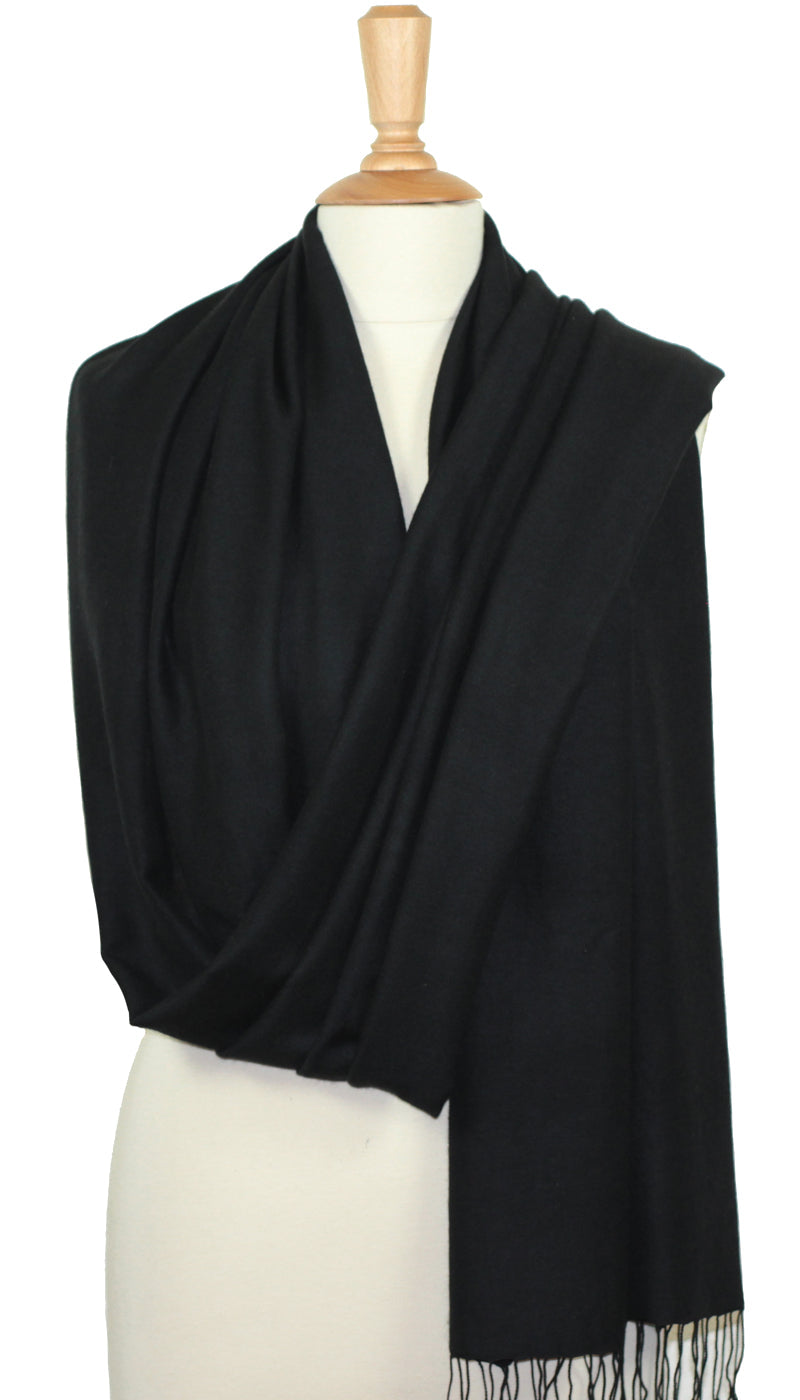
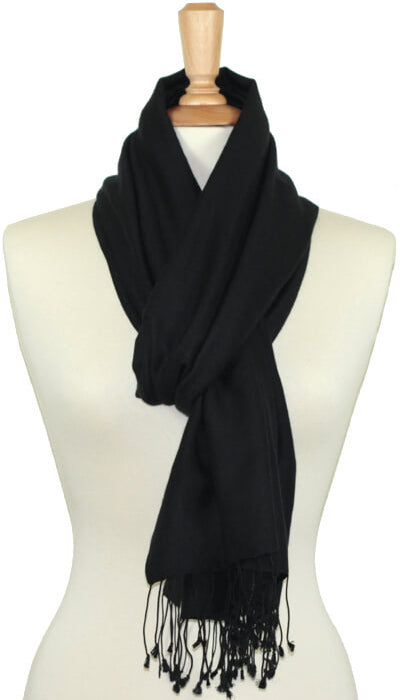
Black Pashmina
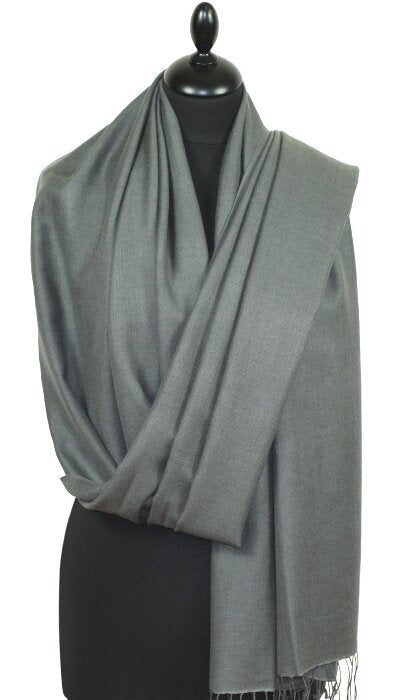
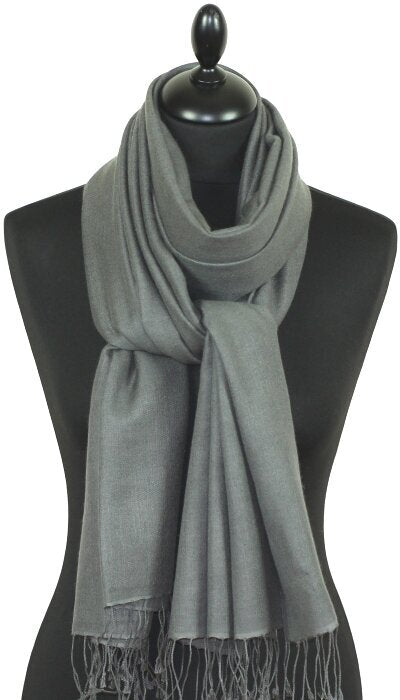
Charcoal Grey Pashmina
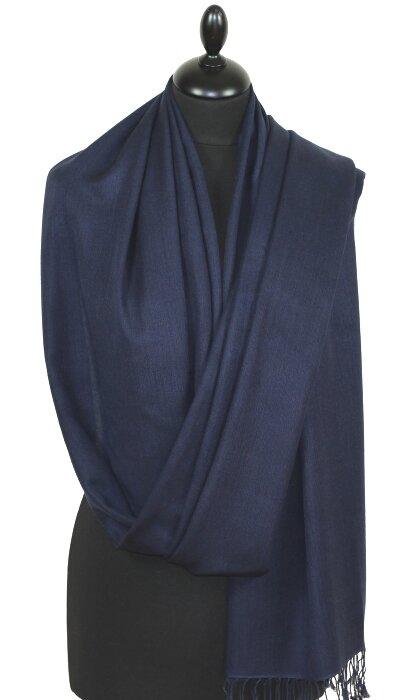
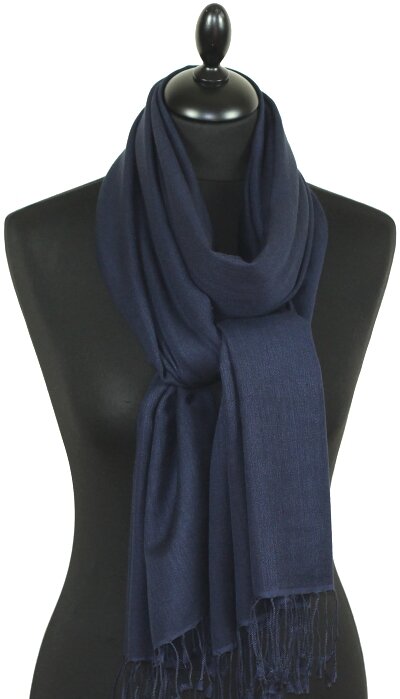
Navy Blue Pashmina
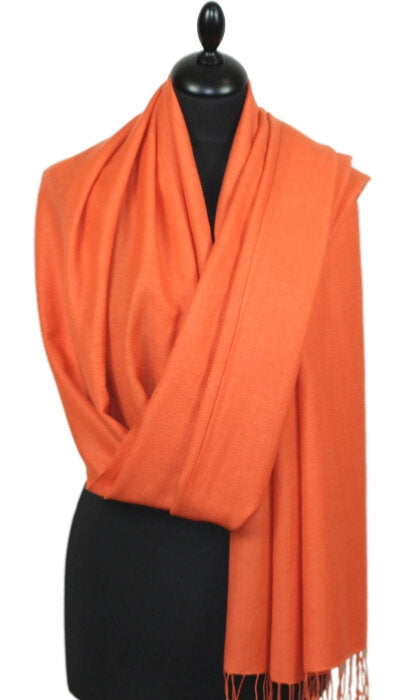

Orange Pashmina
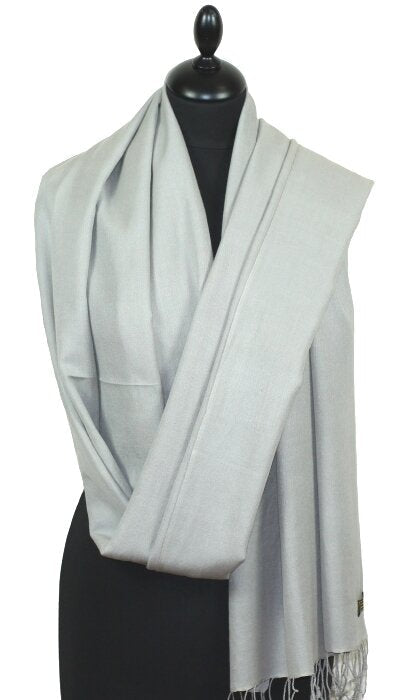
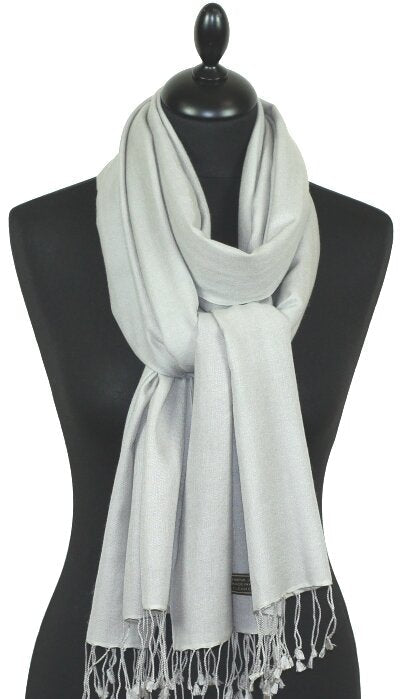
Silver Grey Pashmina
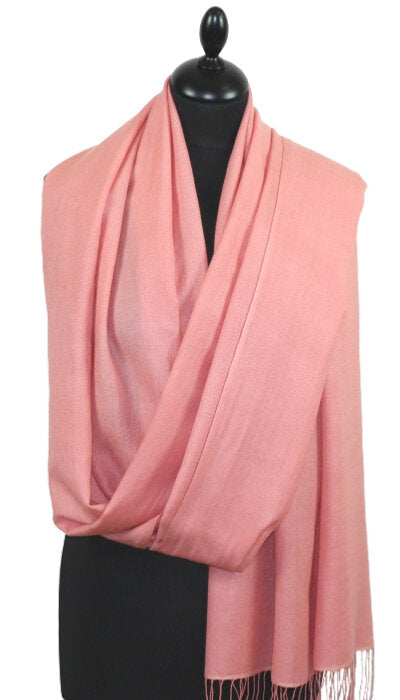
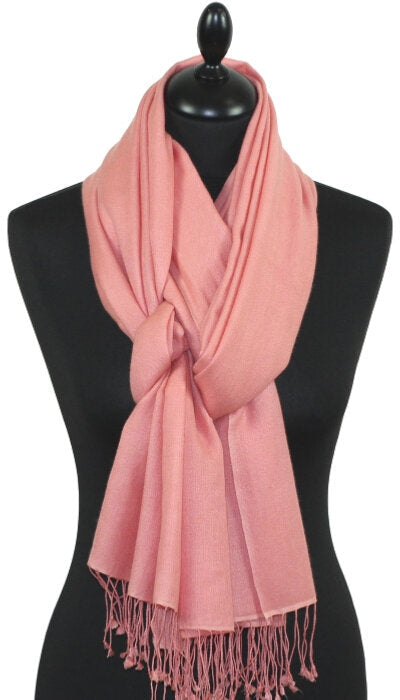
Salmon Pashmina
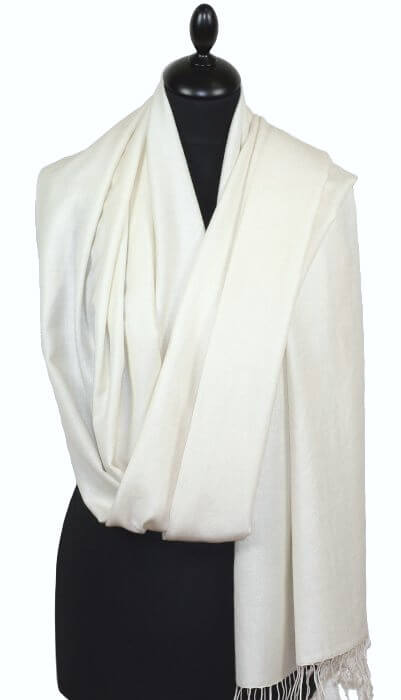
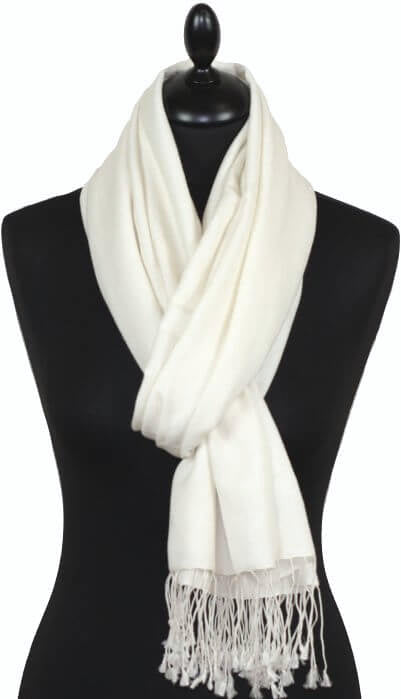
Off-White Pashmina
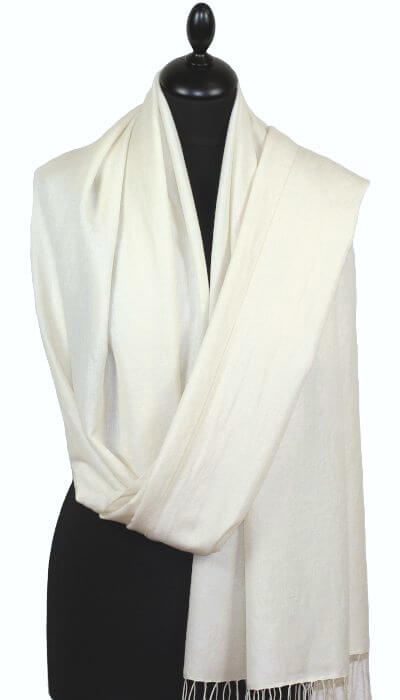
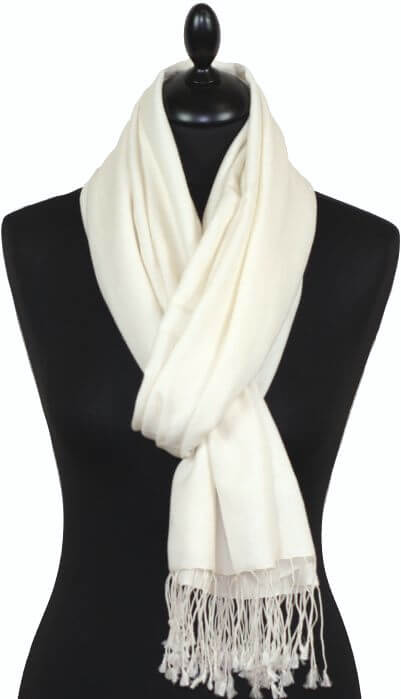
Ivory Pashmina
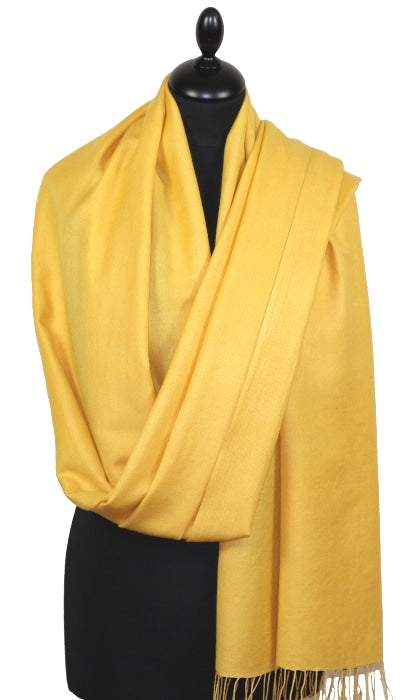
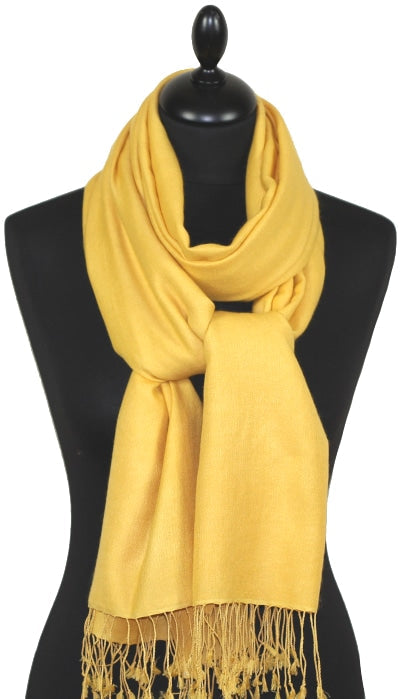
Sunshine Yellow Pashmina
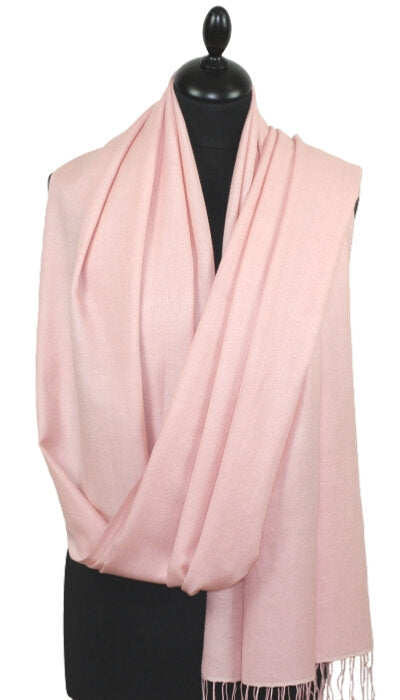

Powder pink pashmina
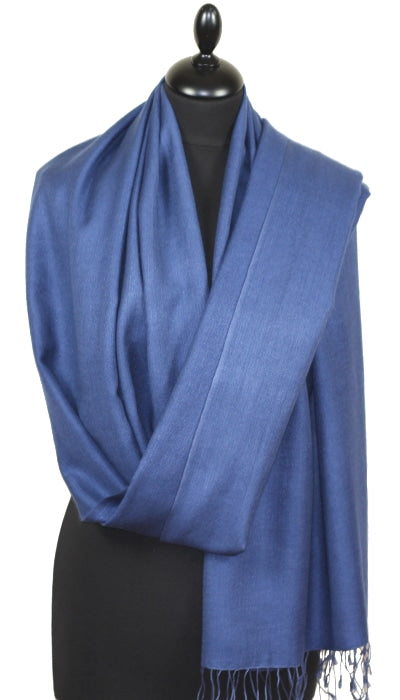

Denim Blue Pashmina
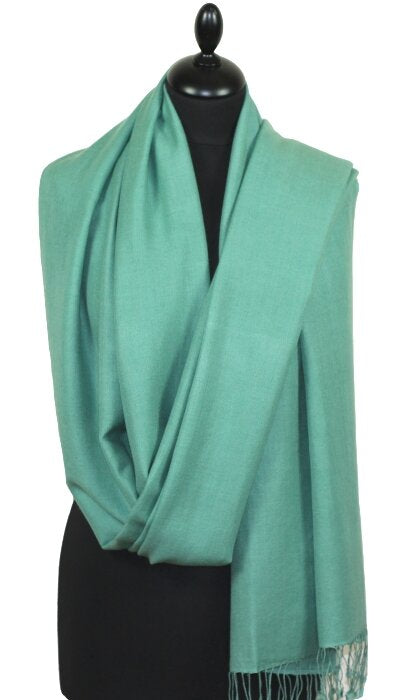
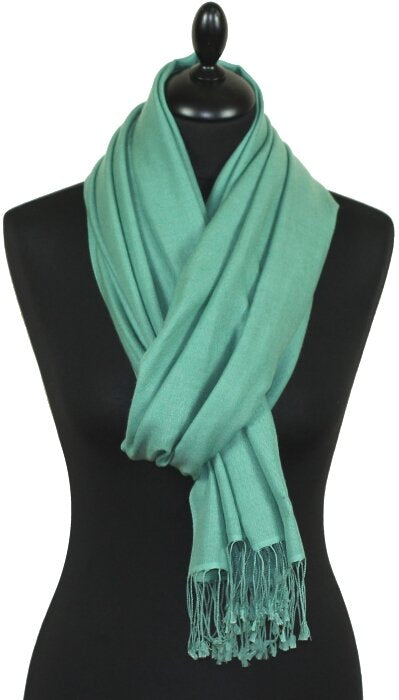
Seafoam green pashmina
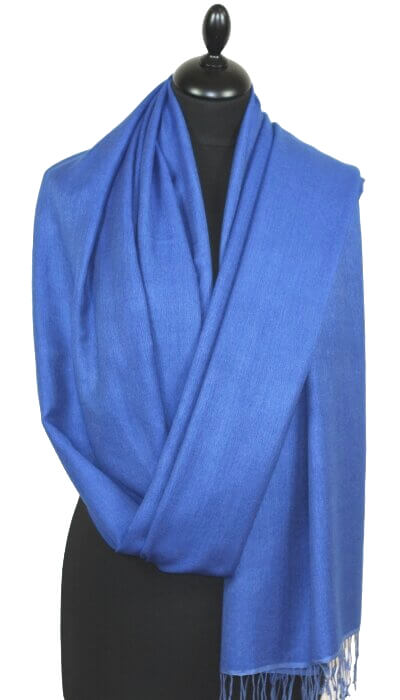
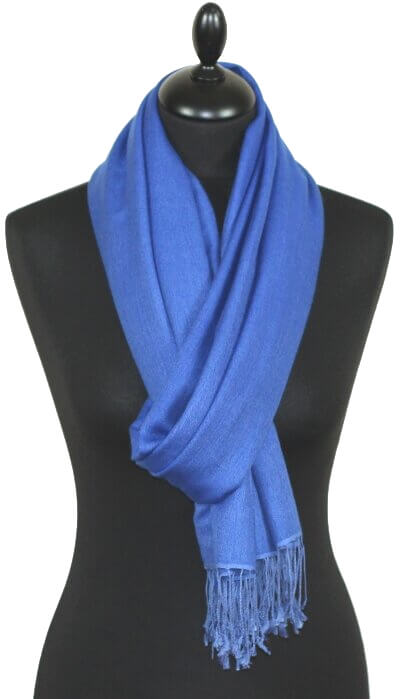
Royal Blue Pashmina
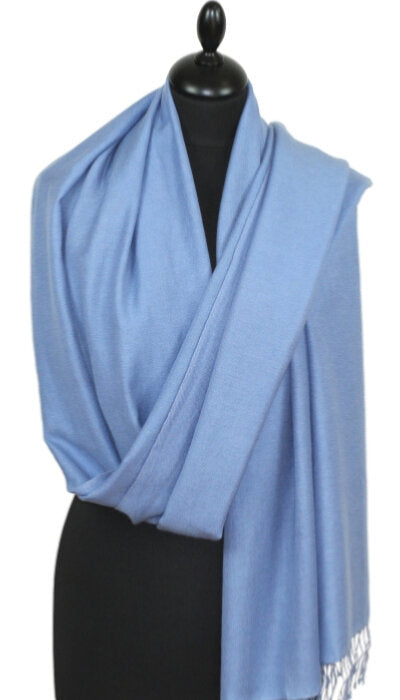
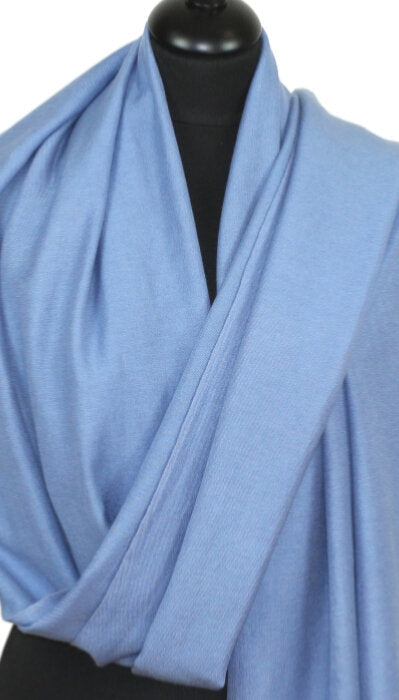
Blue-Grey Pashmina

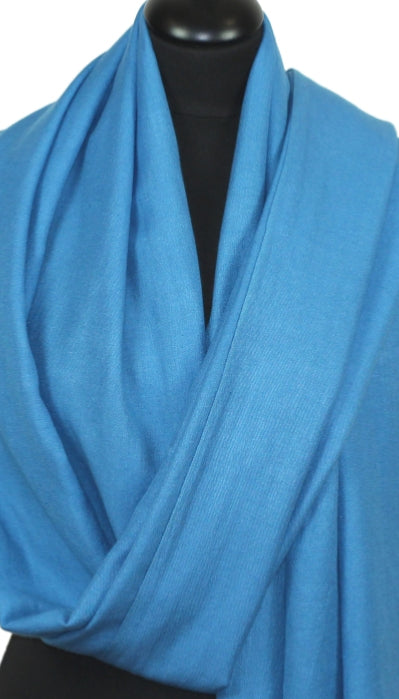
Maya Blue Pashmina
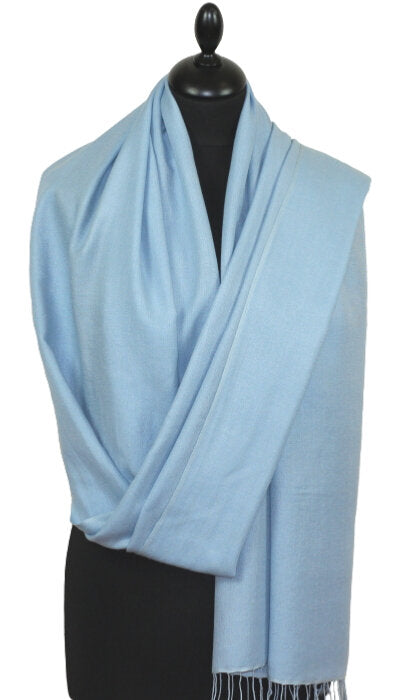
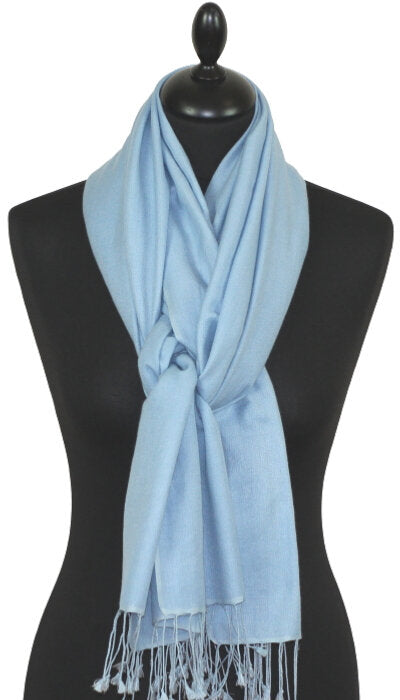
Sky Blue Pashmina
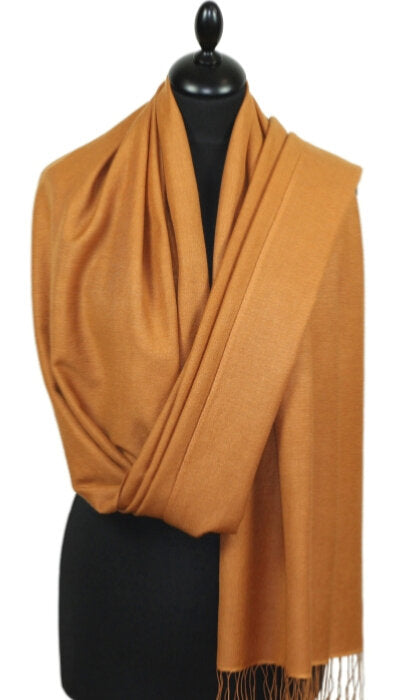
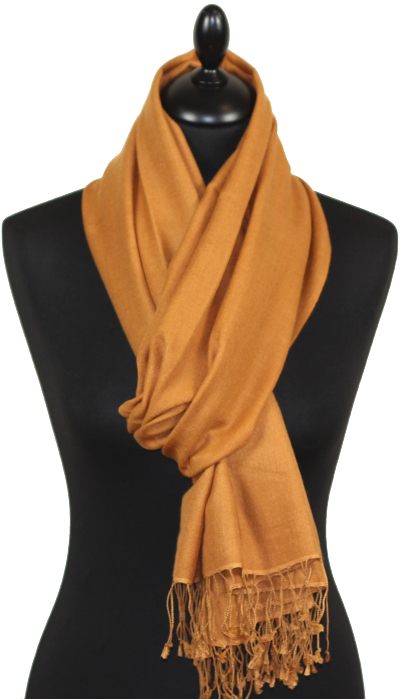
Caramel Pashmina
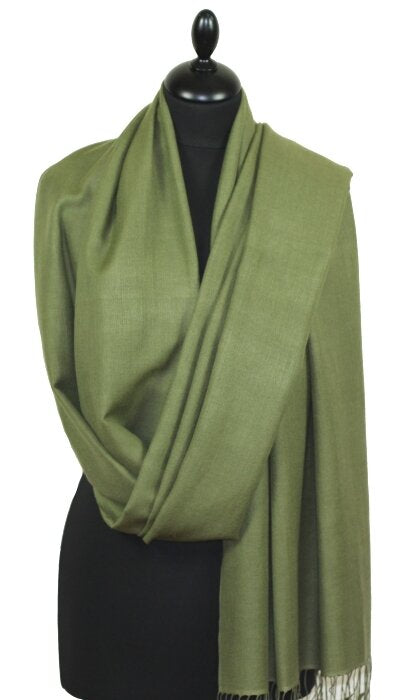
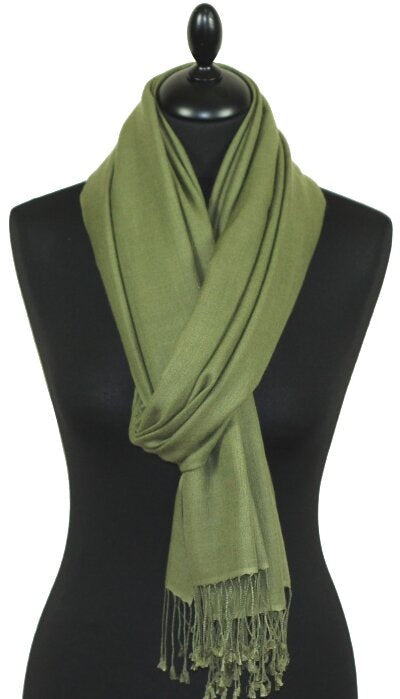
Olive Green Pashmina
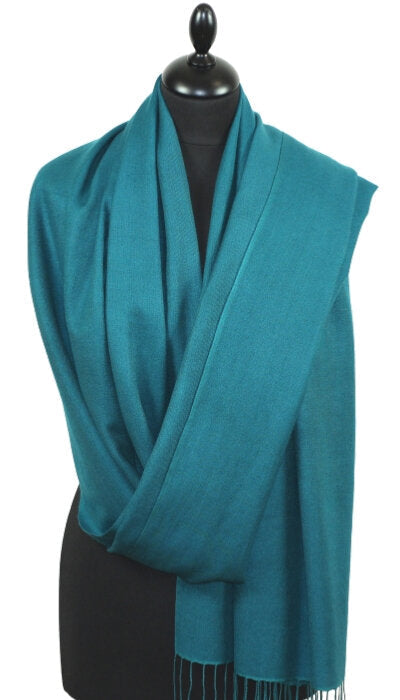
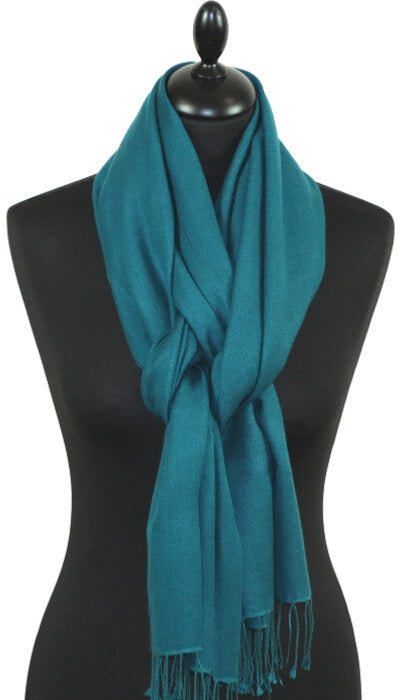
Teal Pashmina
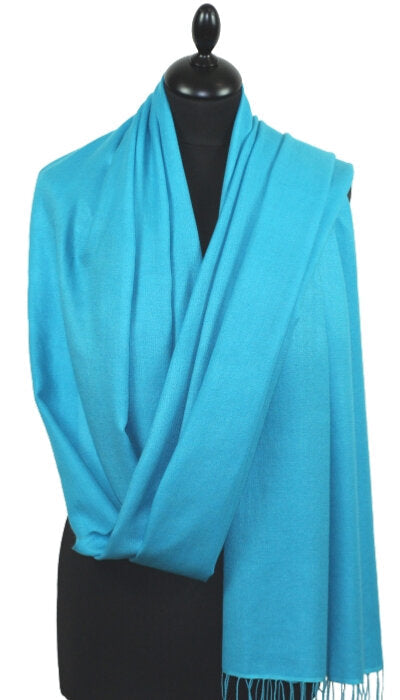
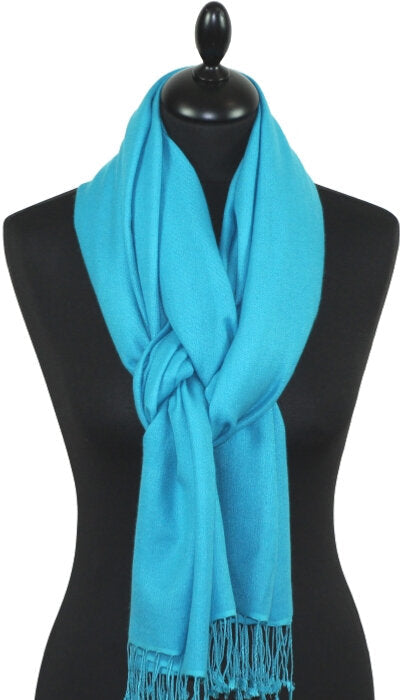
Turquoise Blue Pashmina
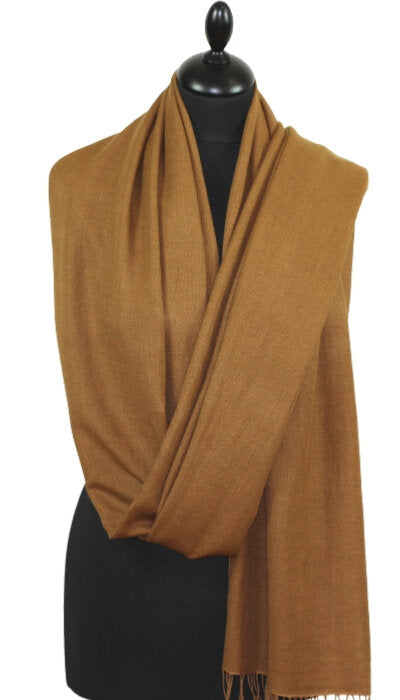
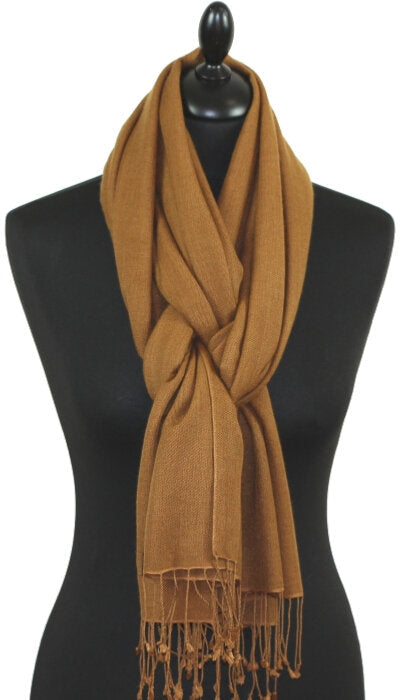
Camel Pashmina
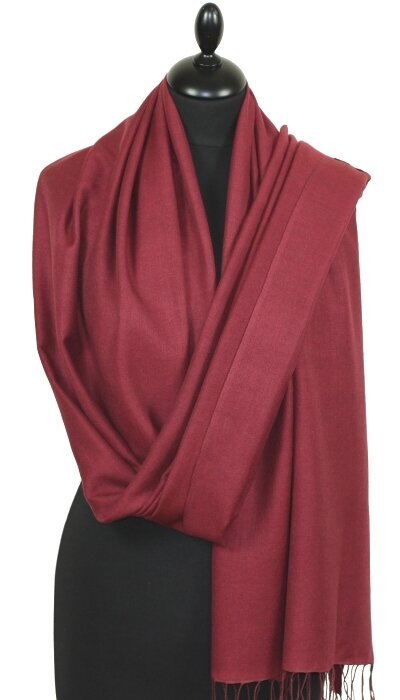
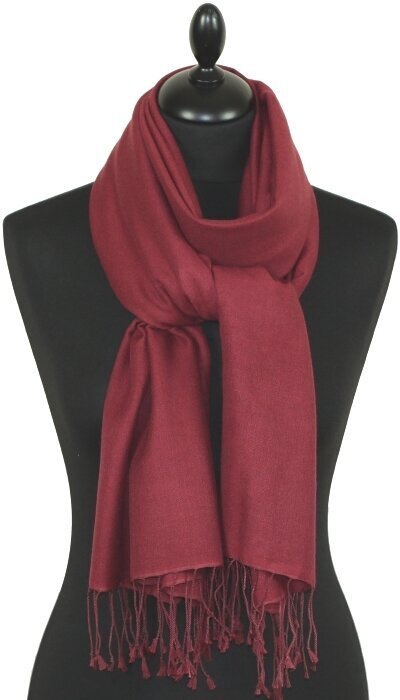
Burgundy Pashmina
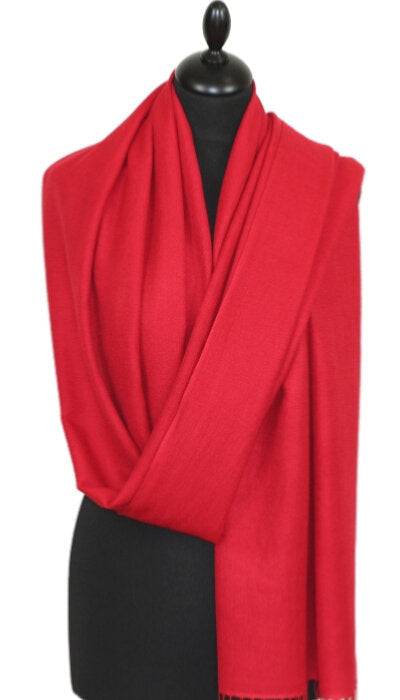
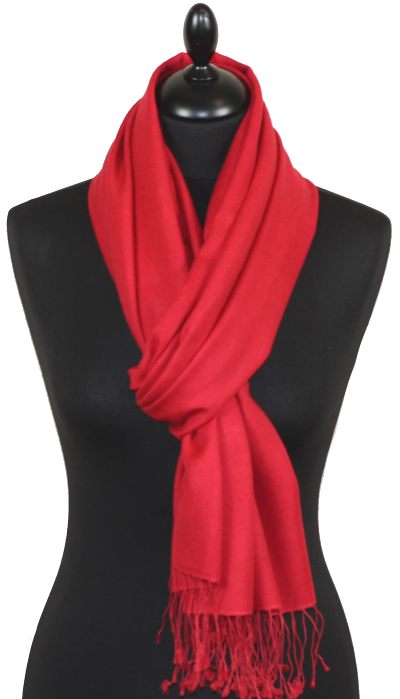
Red Pashmina
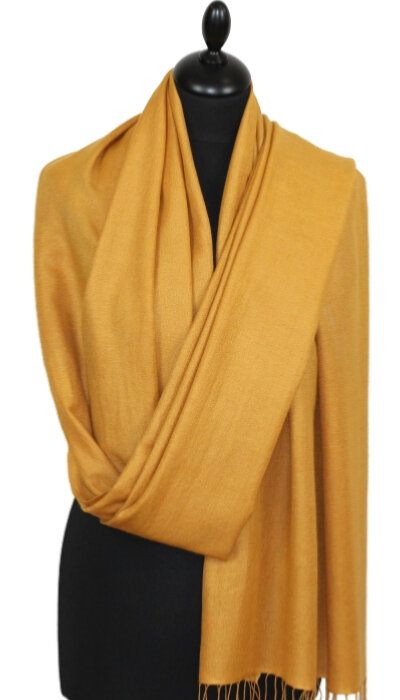
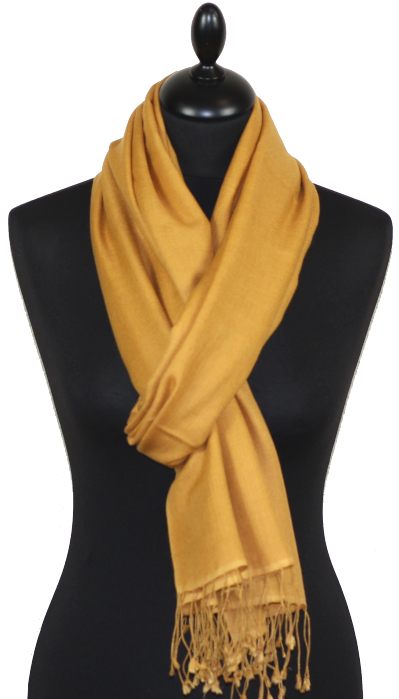
Saffron Yellow Pashmina
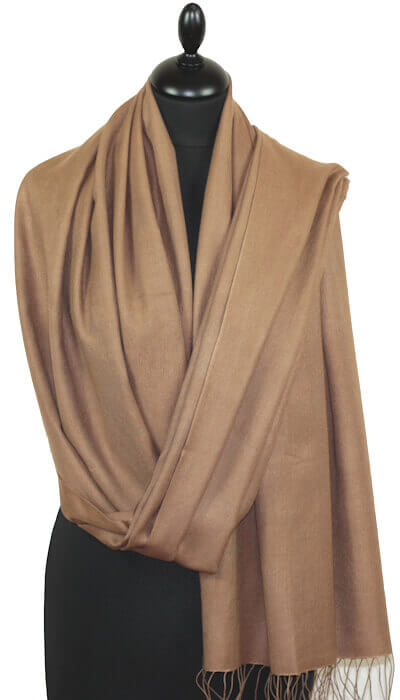
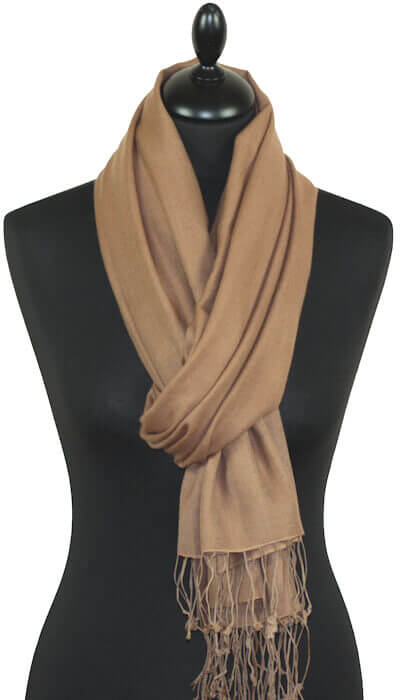
Tobacco Beige Pashmina
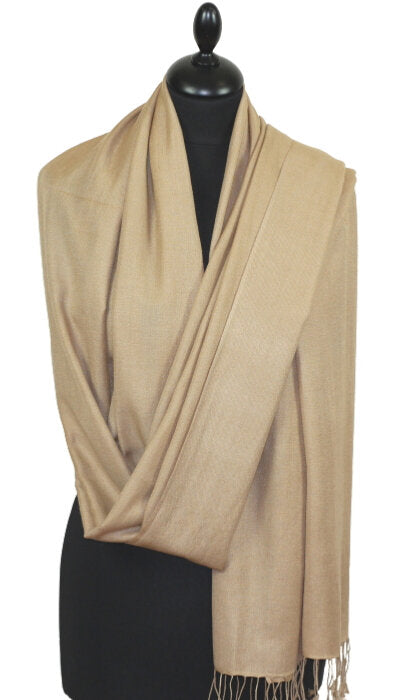
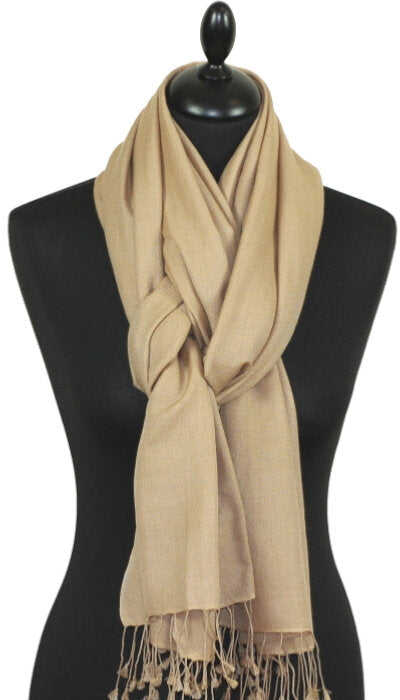
Golden Beige Pashmina
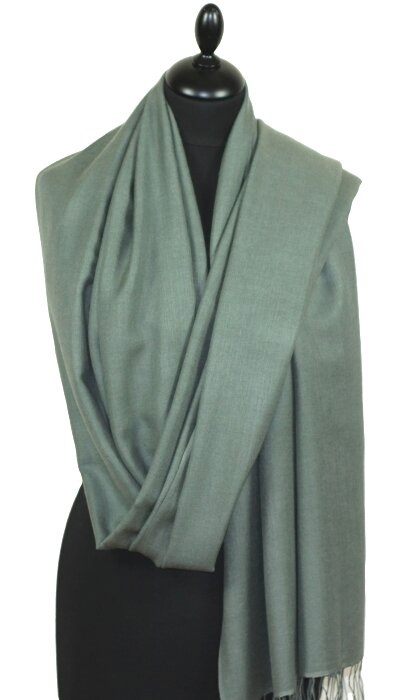
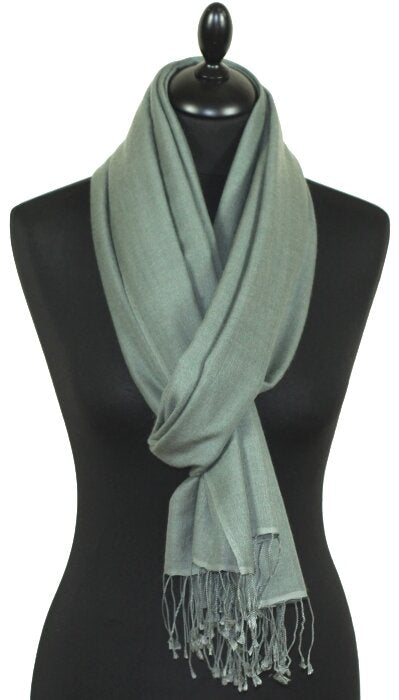
Green-Grey Pashmina
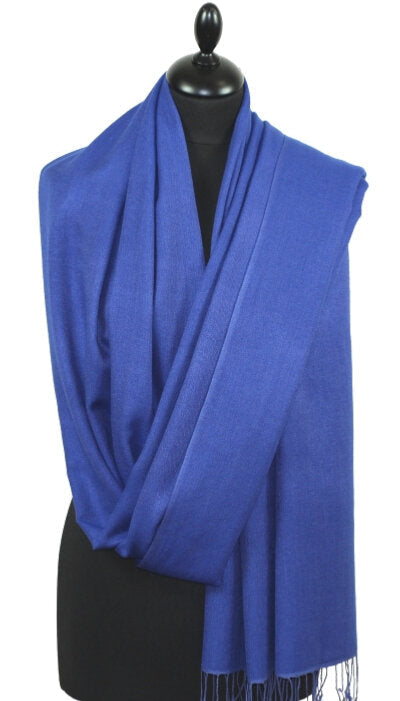
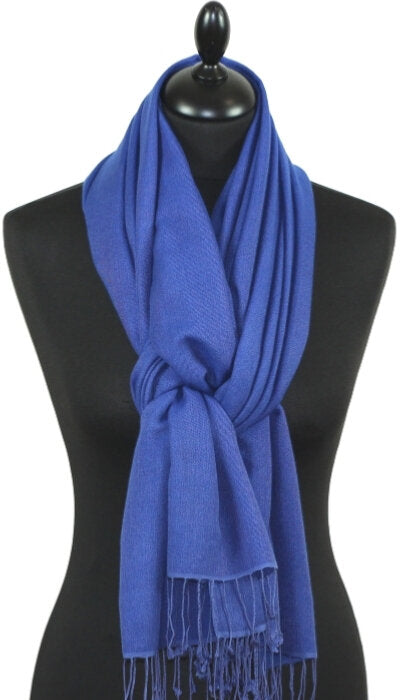
Sodalite Blue Pashmina

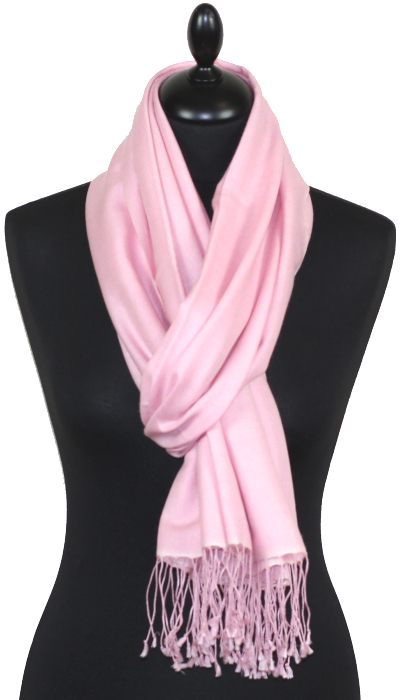
Pale Pink Pashmina
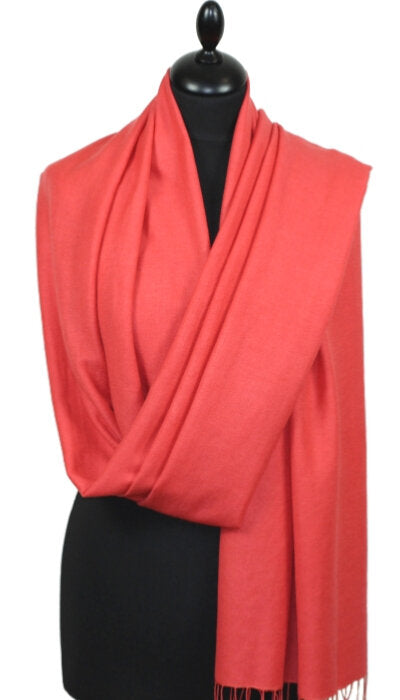
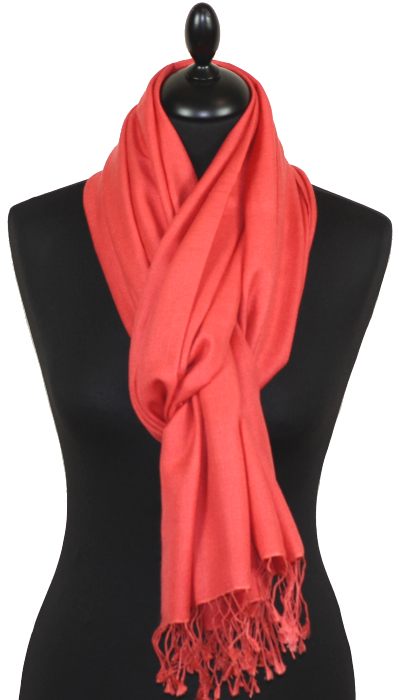
Coral Pashmina
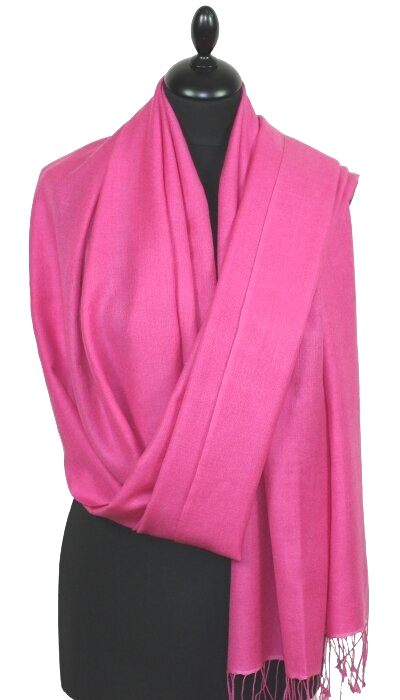
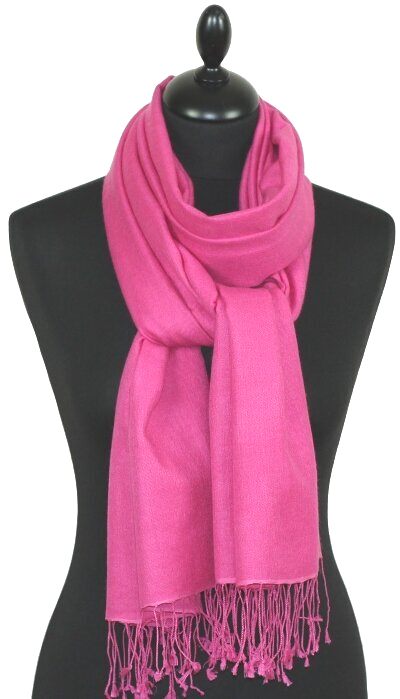
Fuchsia Pashmina
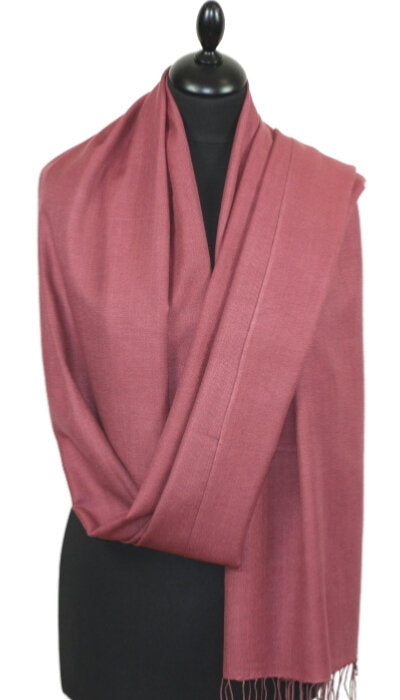

Rosewood Pashmina
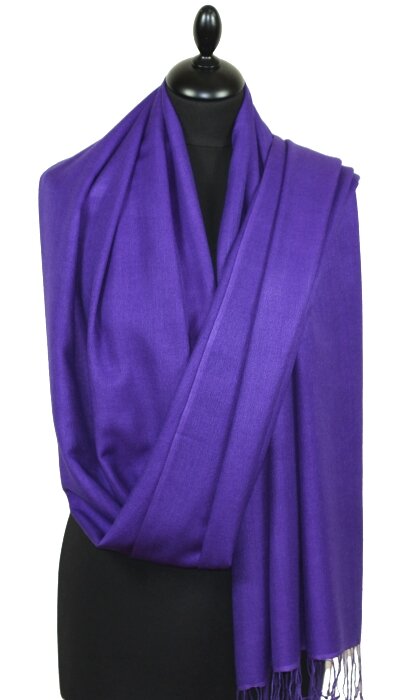
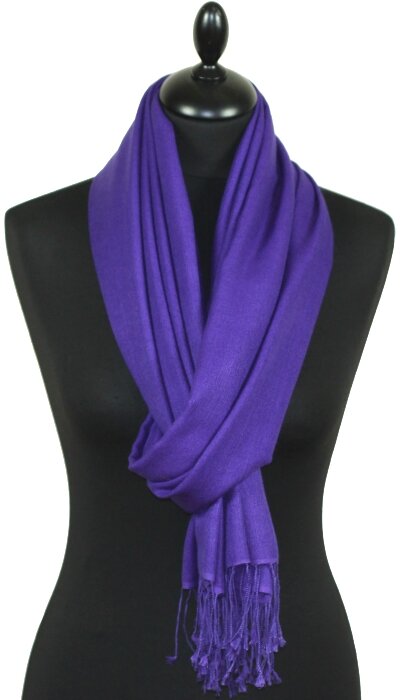
Royal Purple Pashmina
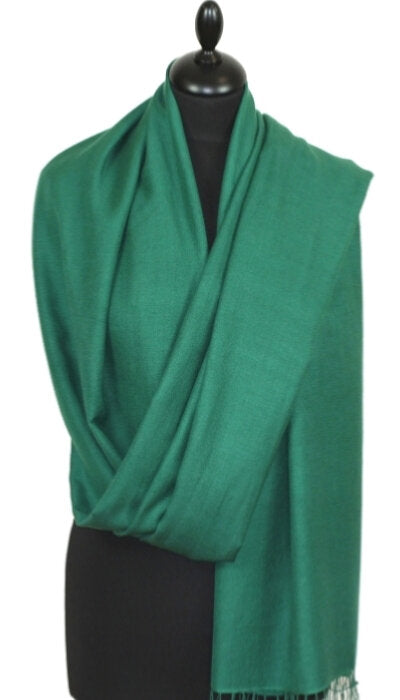
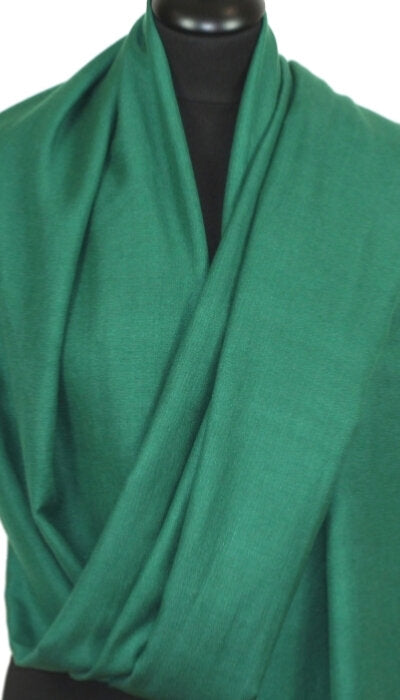
Forest Green Pashmina
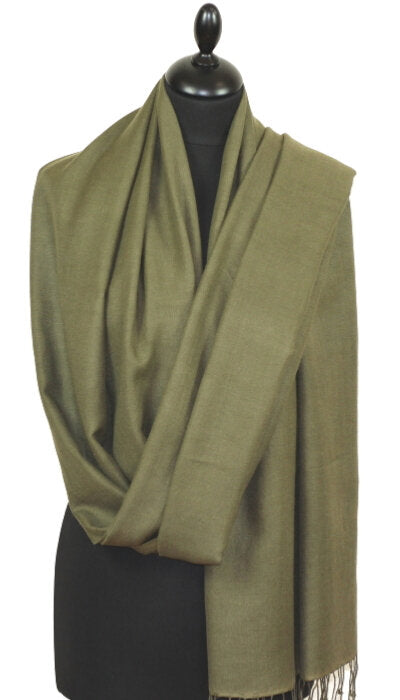
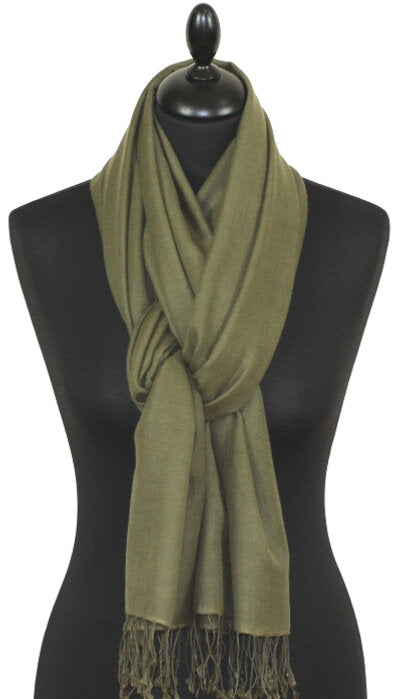
Khaki Green Pashmina
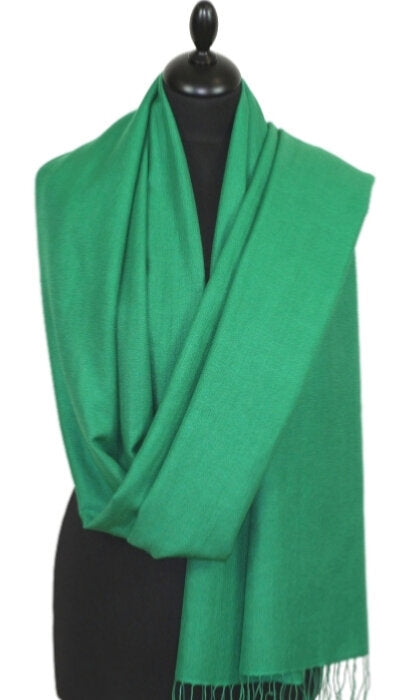
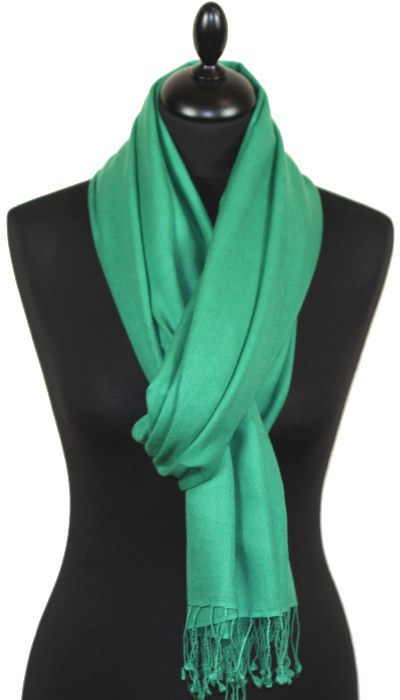
Emerald Green Pashmina


Natural Grey-Beige Pashmina


Natural Ecru Pashmina


Natural Ivory Pashmina


Natural Taupe Pashmina


Beige Pashmina


Black Pashmina
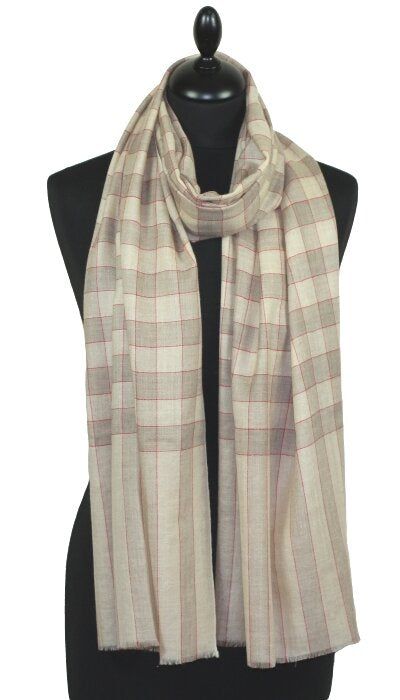
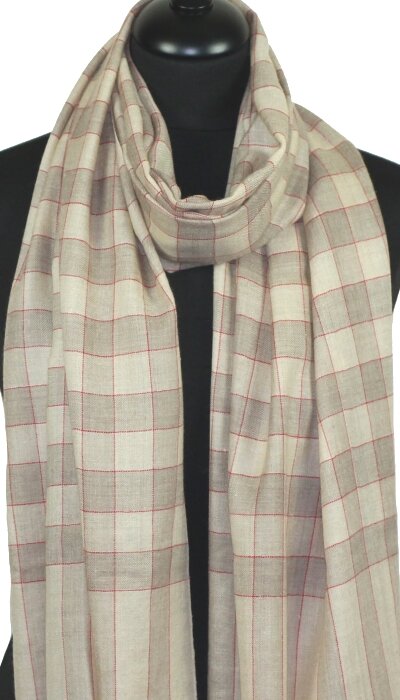
Natural Beige Pashmina
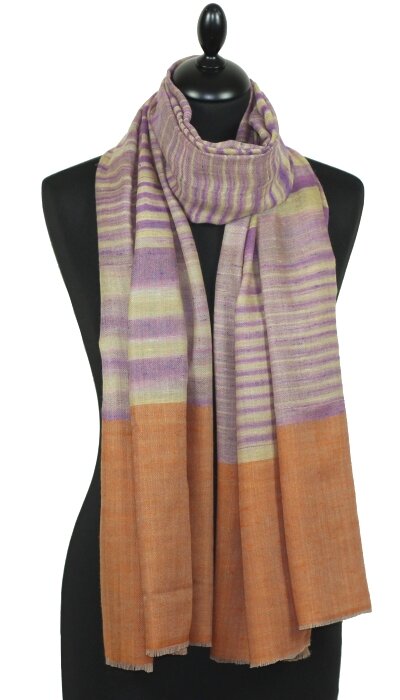
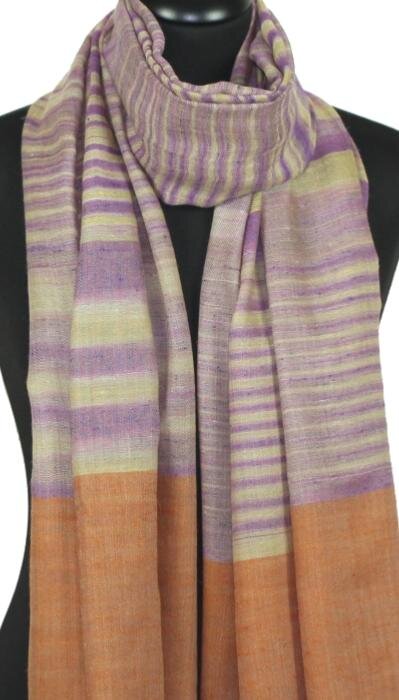
Lilac-Champagne-Orange Pashmina
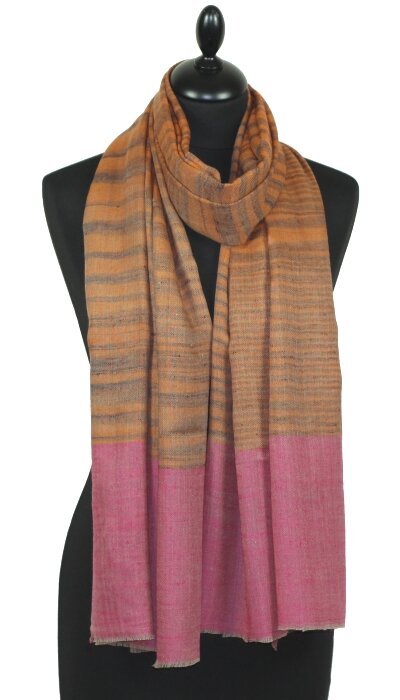
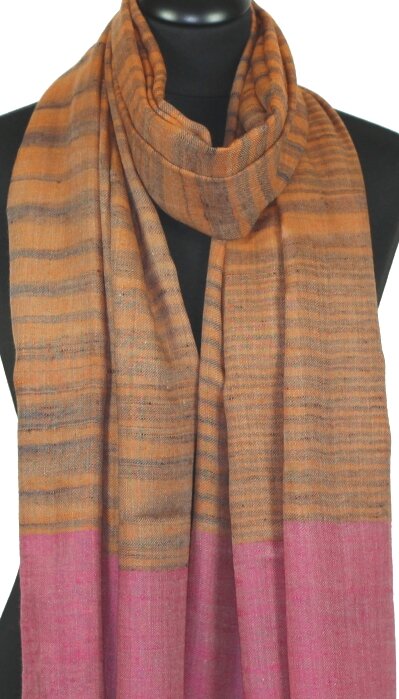
Orange-Black-Fuchsia Pashmina
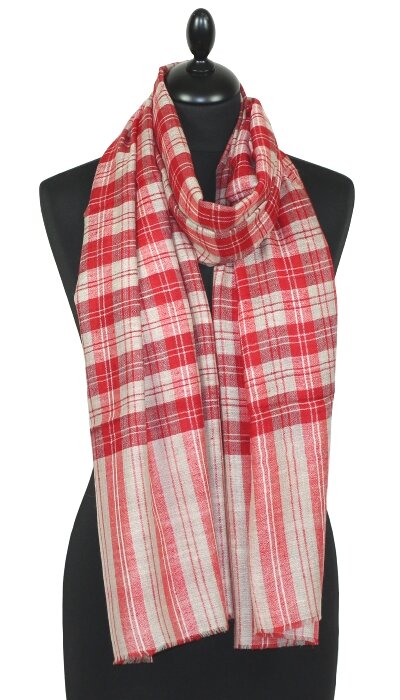
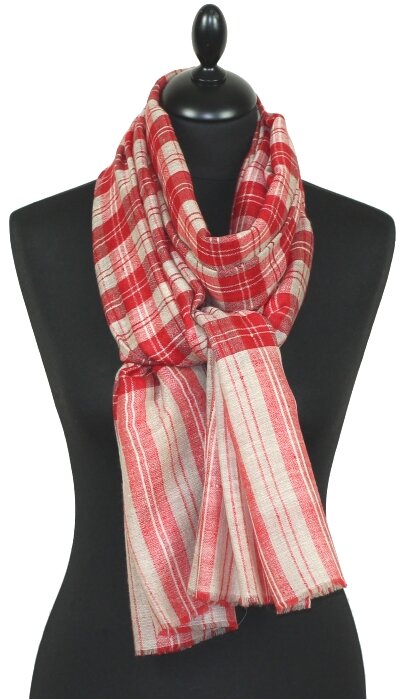
Red-Ecru Pashmina
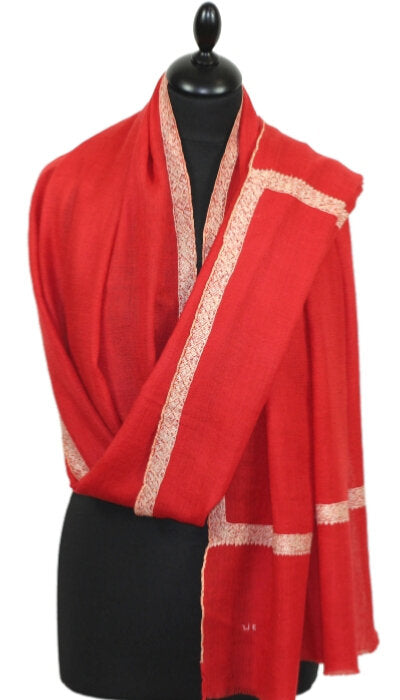
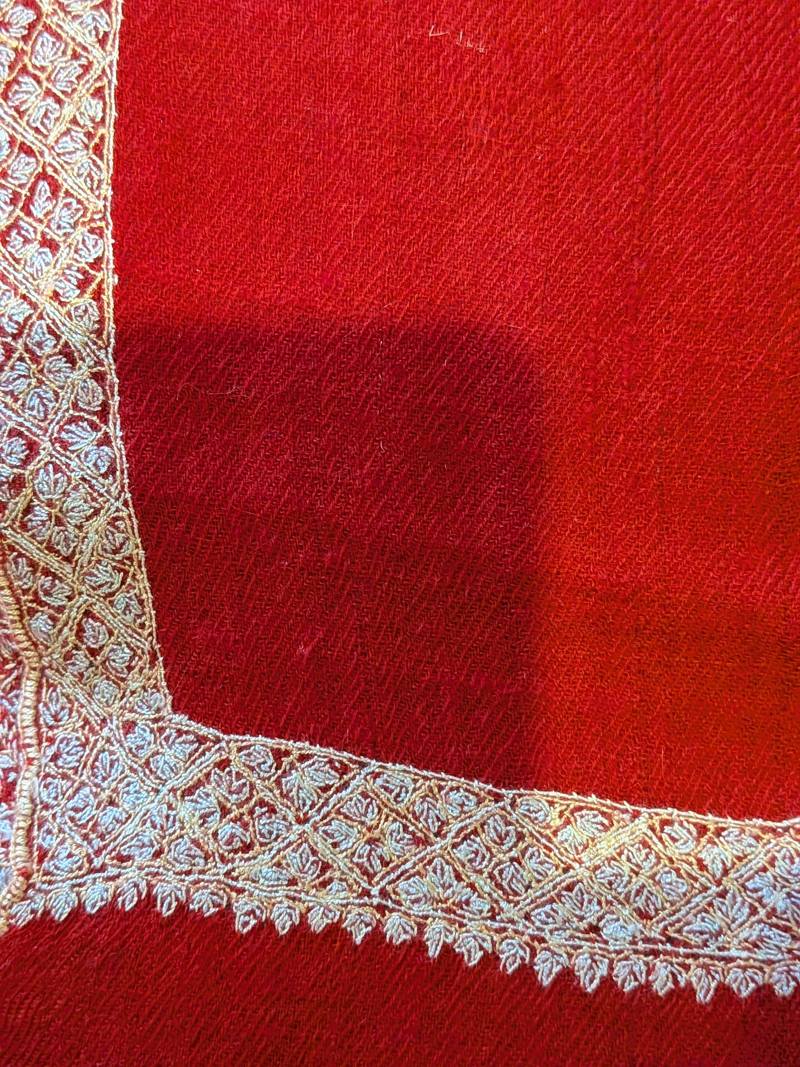
Hand Embroidered Red Pashmina