

Pashmina from Nepal in Cashmere and Silk
Read more Show less
After more than twenty years of working with different workshops in Nepal, we have selected the one that, in our view, offers the highest level of quality for our pashminas in this composition: a finer fibre, a more regular weave, a fabric that does not pill and becomes increasingly softer with use. Explore our complete pashmina collection.
The art of Nepalese cashmere and silk pashmina
Nepalese pashmina is renowned for its blend of cashmere and silk, a true speciality of Nepal. While India is renowned for 100% cashmere pashmina, Nepalese workshops excel in combining these two materials, giving the fabric suppleness, fluidity and lustre.
We have this collection of pashminas custom-made in a workshop in Nepal by skilled artisans who pay particular attention to the weaving and finishing.
Himalayan pashmina: an exceptional wool
Pashmina is traditionally associated with the fine undercoat of goats living in the Himalayan regions. This cashmere fibre is valued for its fineness, delicate feel and ability to provide pleasant warmth despite its lightness.
Cashmere and silk: a supple and silky pashmina
Silk gives the fabric a subtle sheen and fluid drape, while cashmere provides softness and warmth. Easy to drape, this pashmina for women and men can be worn around the neck or spread over the shoulders.
Pashmina for weddings and special occasions
Choose a soft shade to complement your dress or a bolder colour to create contrast. Draped over the shoulders, the pashmina completes an elegant outfit and provides welcome warmth as the evening cools. For an even more exceptional piece, discover our hand-embroidered pashminas, featuring intricate embroidery crafted by hand with a needle.
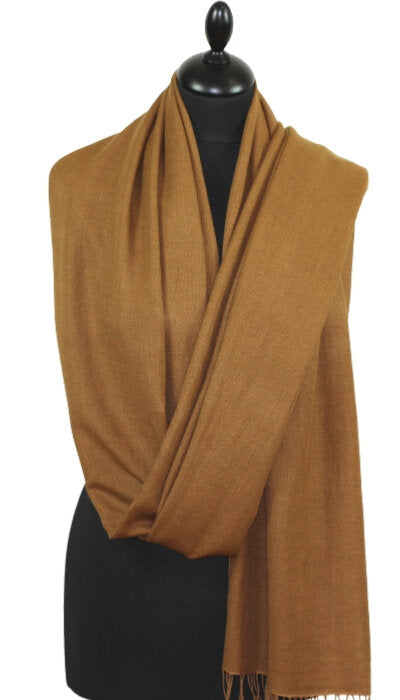
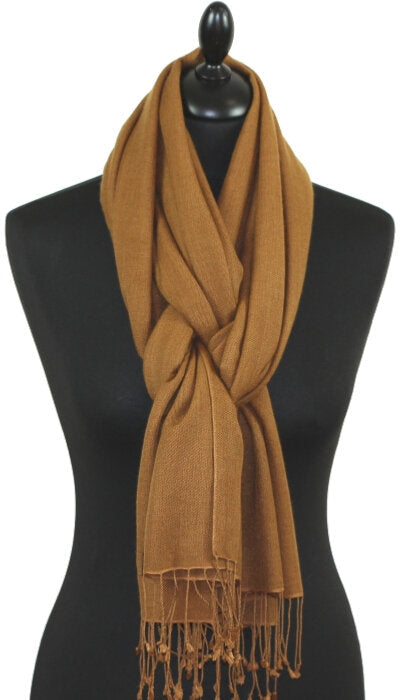
Camel Pashmina
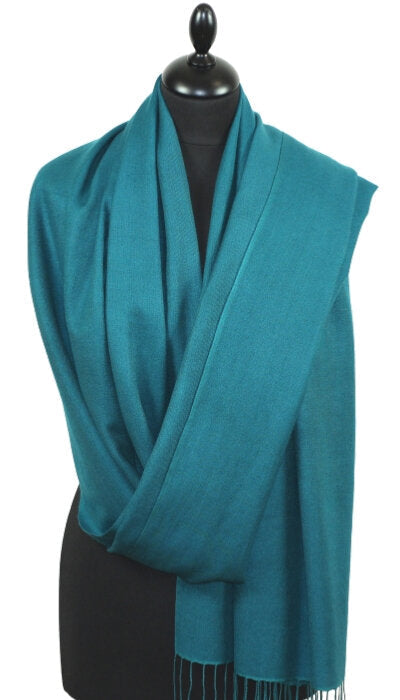
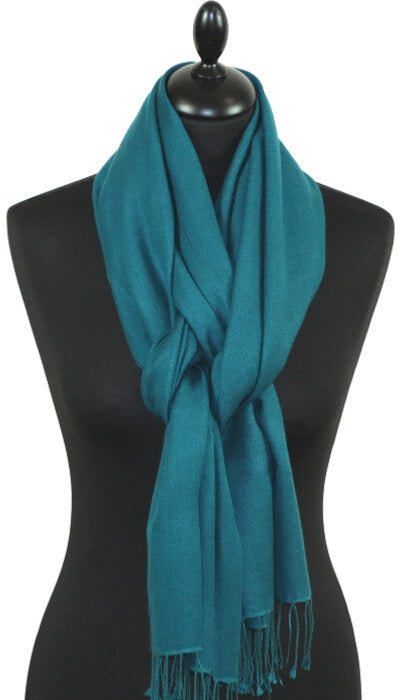
Teal Pashmina
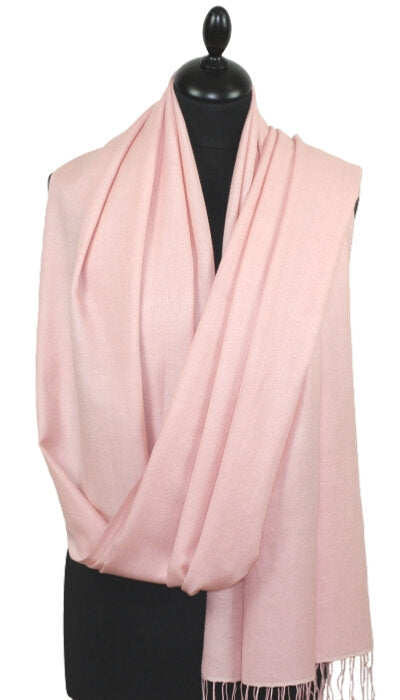

Powder pink pashmina
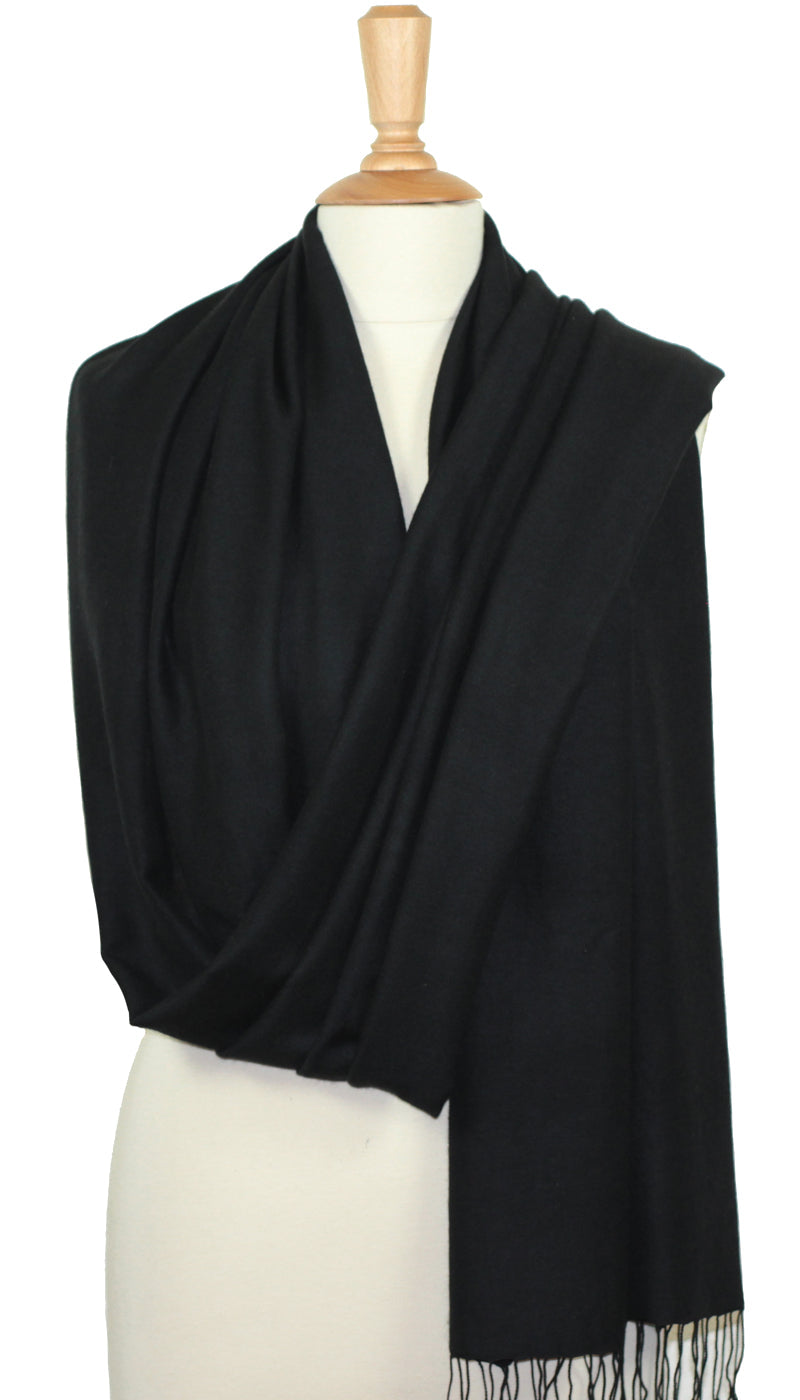
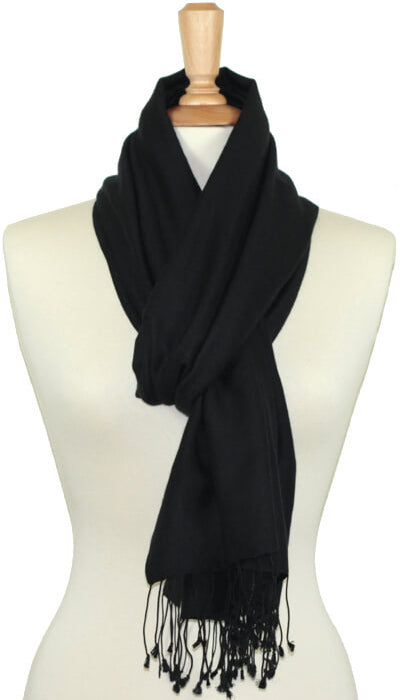
Black Pashmina
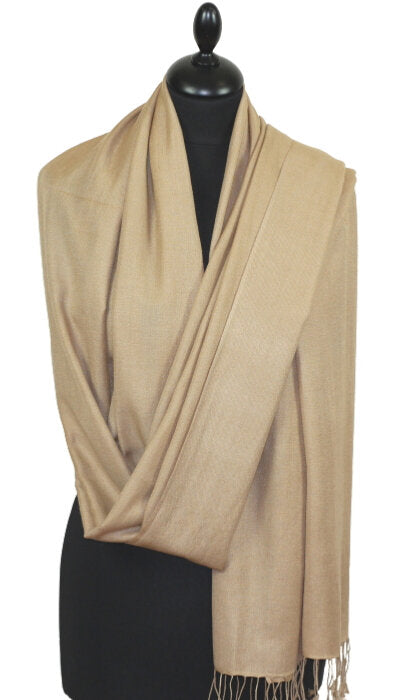
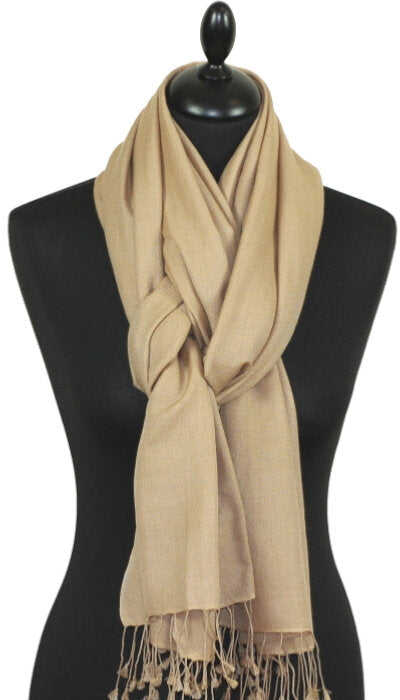
Golden Beige Pashmina
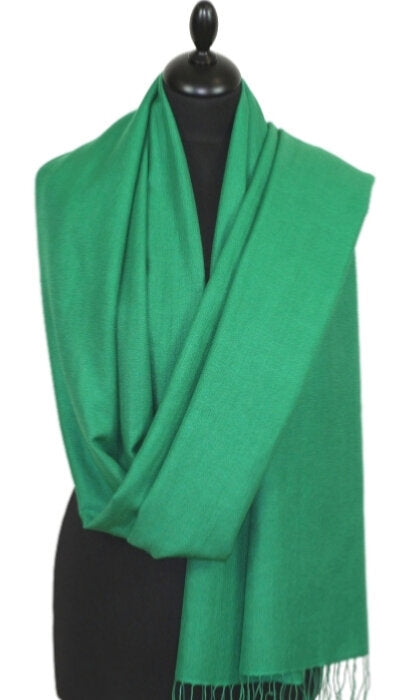
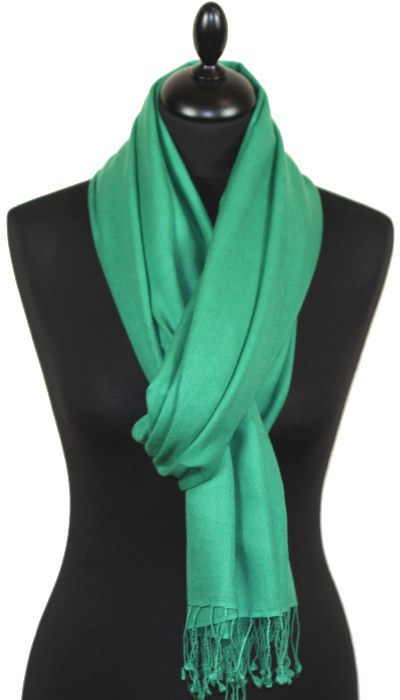
Emerald Green Pashmina
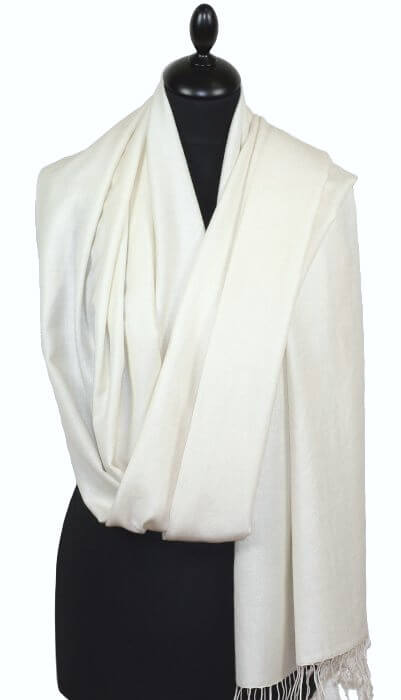
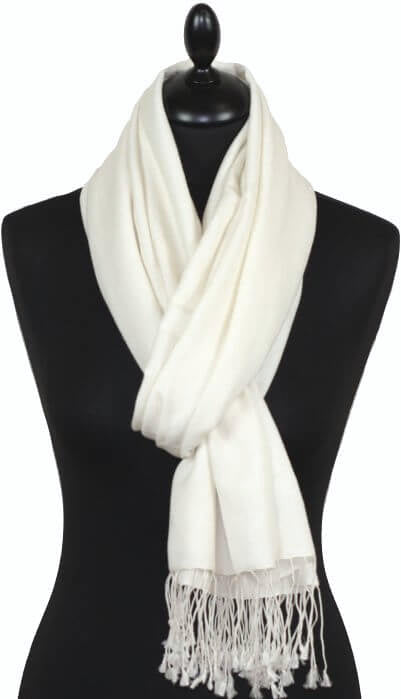
Off-White Pashmina
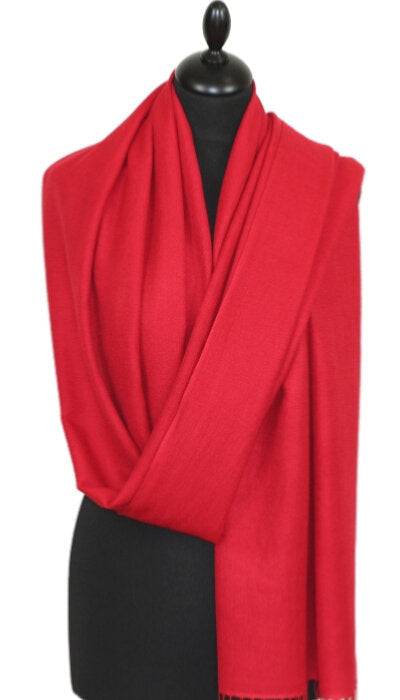
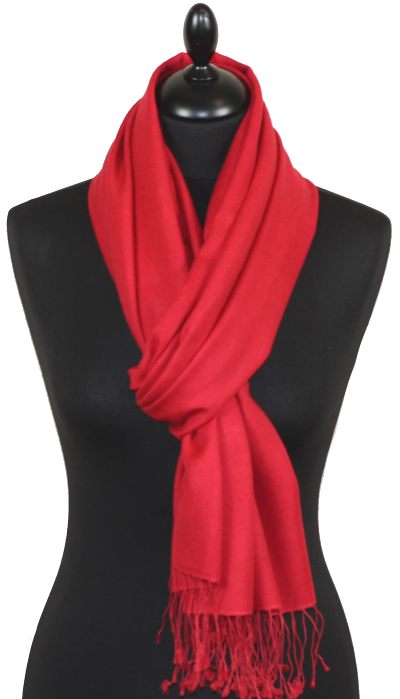
Red Pashmina
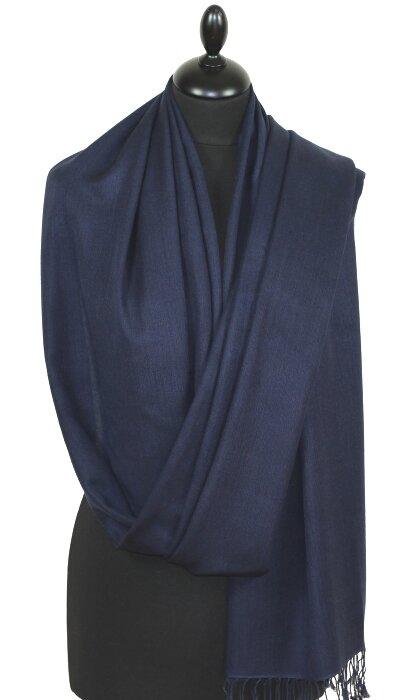
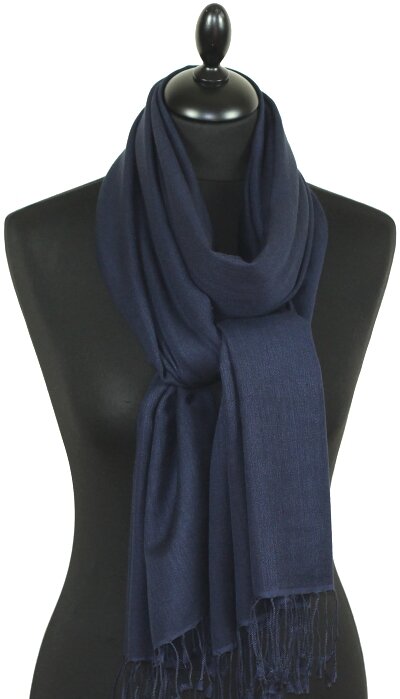
Navy Blue Pashmina
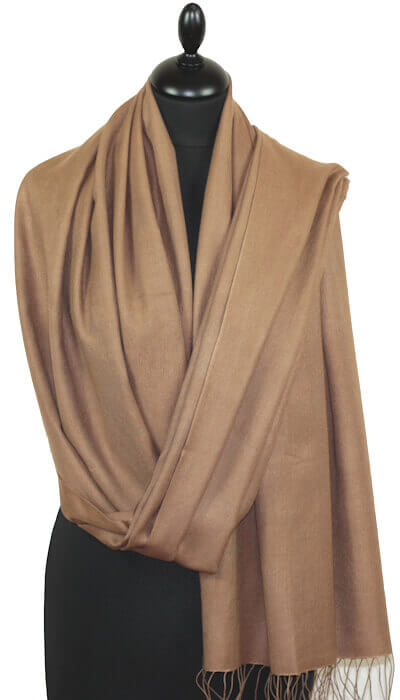
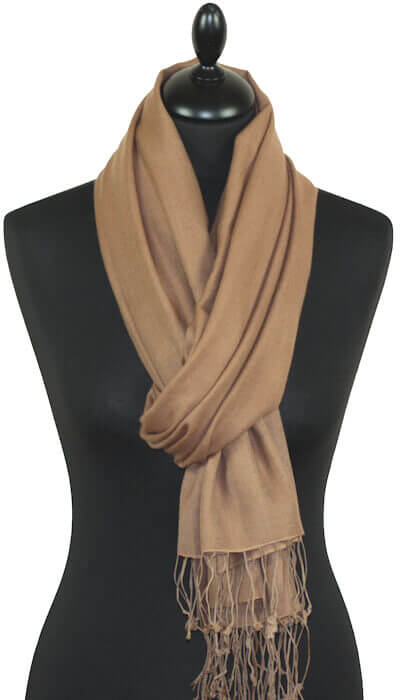
Tobacco Beige Pashmina
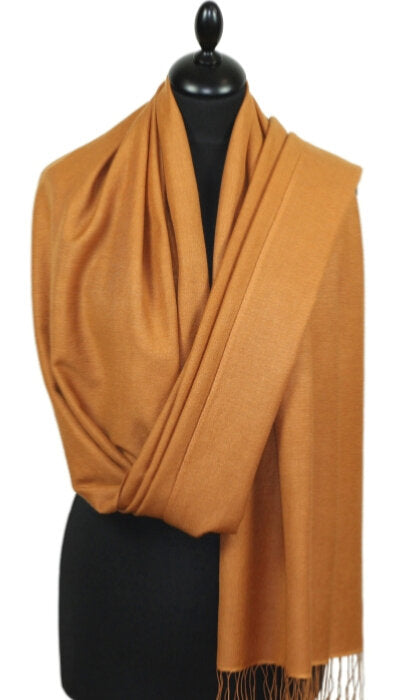
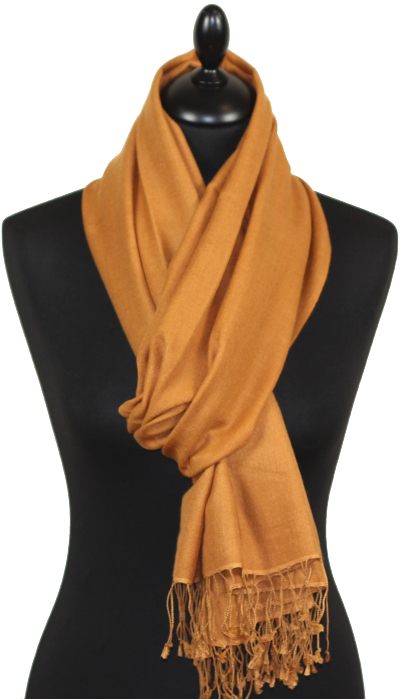
Caramel Pashmina
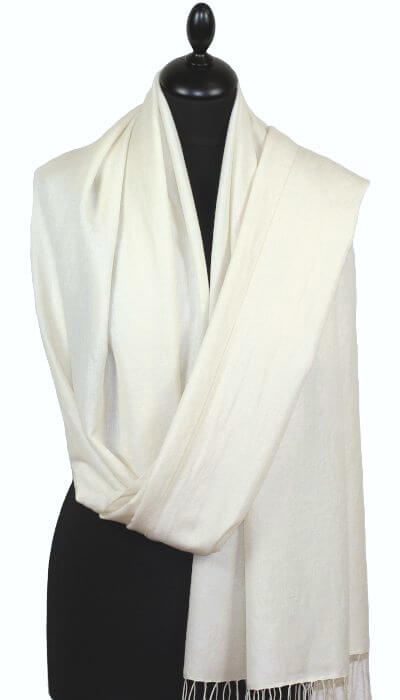
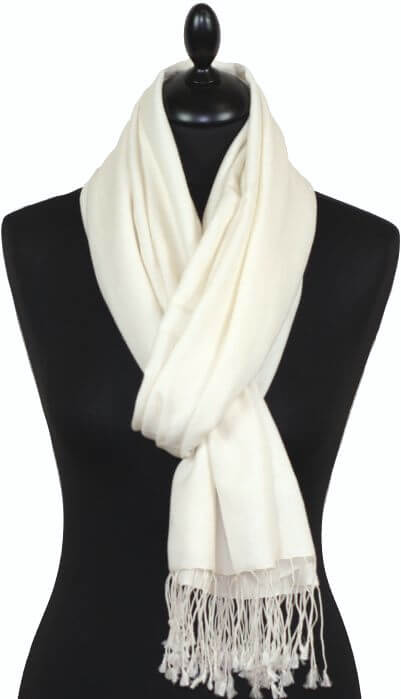
Ivory Pashmina

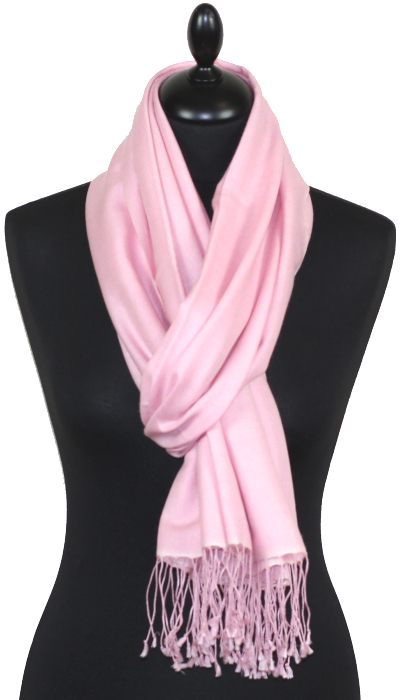
Pale Pink Pashmina
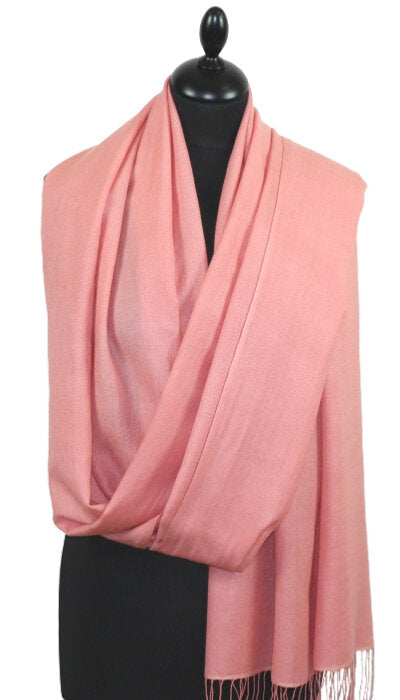
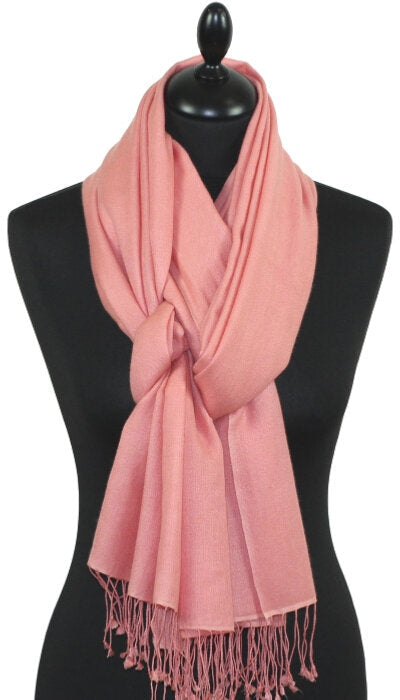
Salmon Pashmina
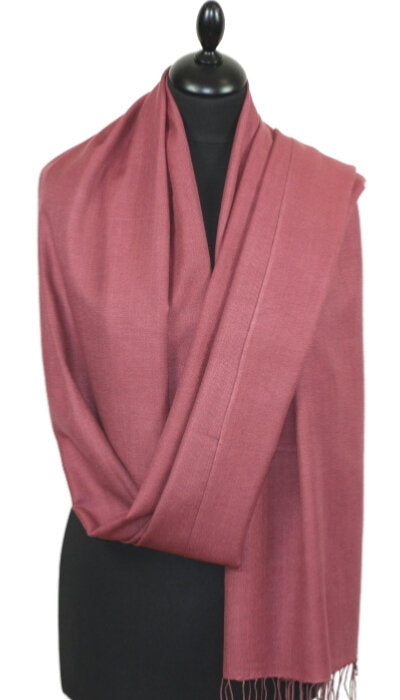

Rosewood Pashmina
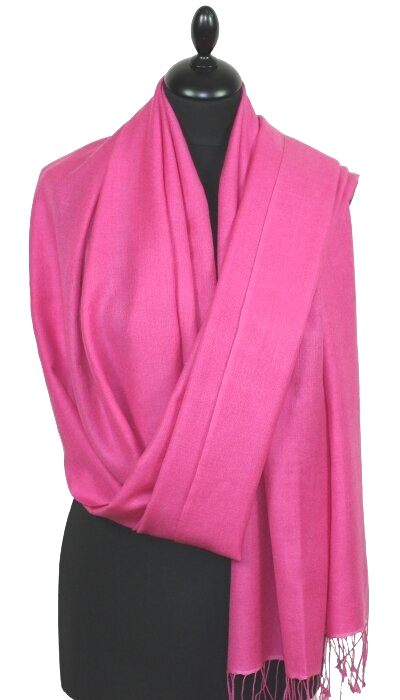
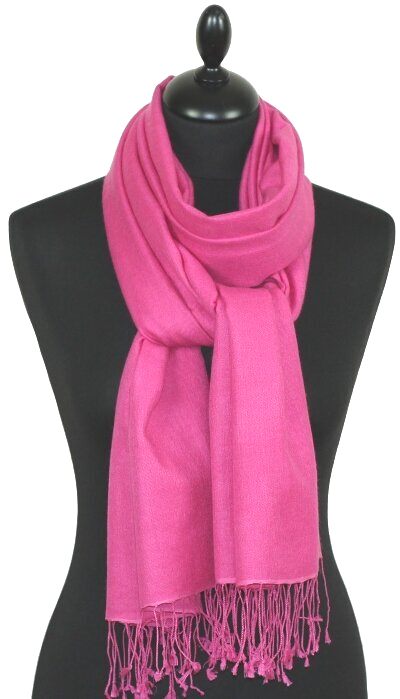
Fuchsia Pashmina
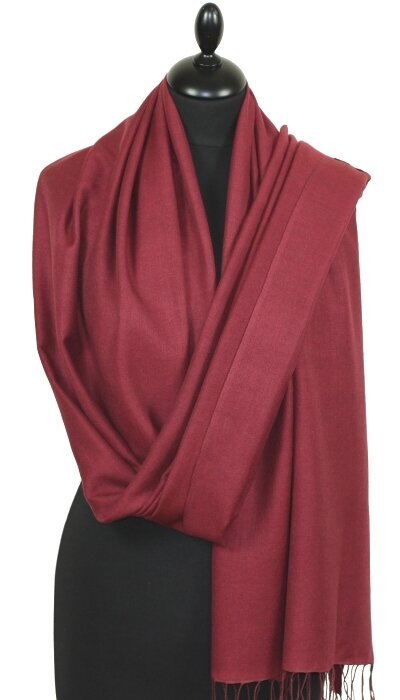
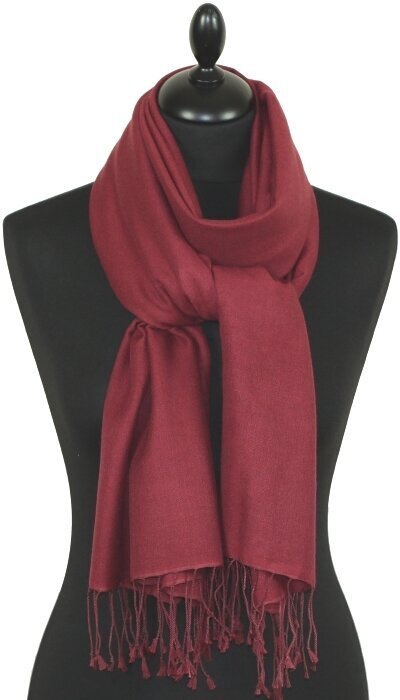
Burgundy Pashmina
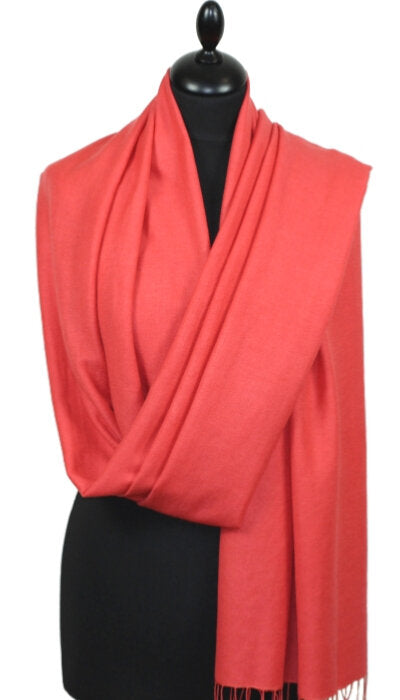
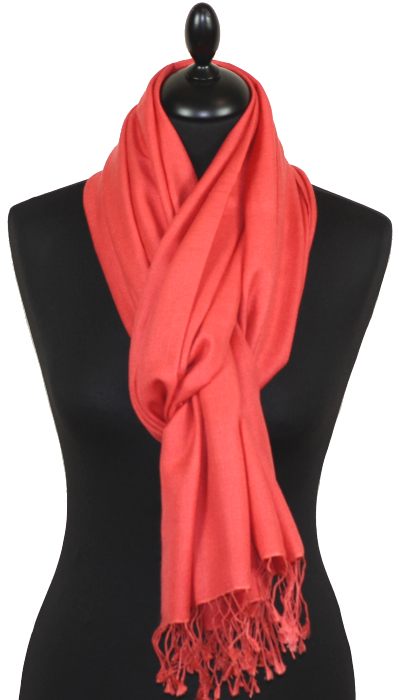
Coral Pashmina
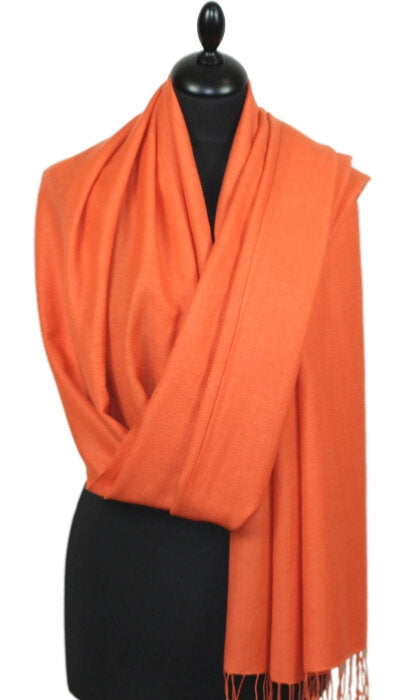

Orange Pashmina
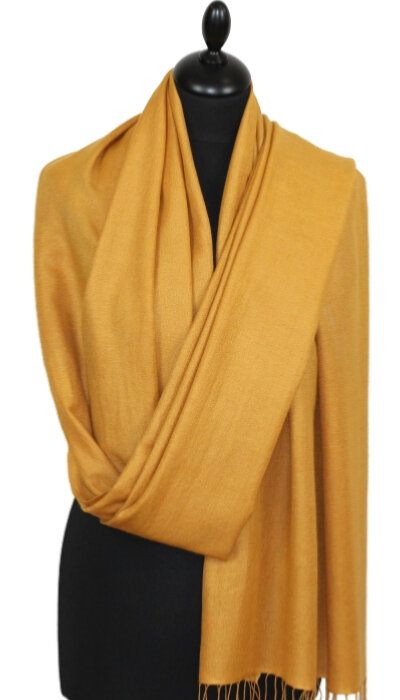
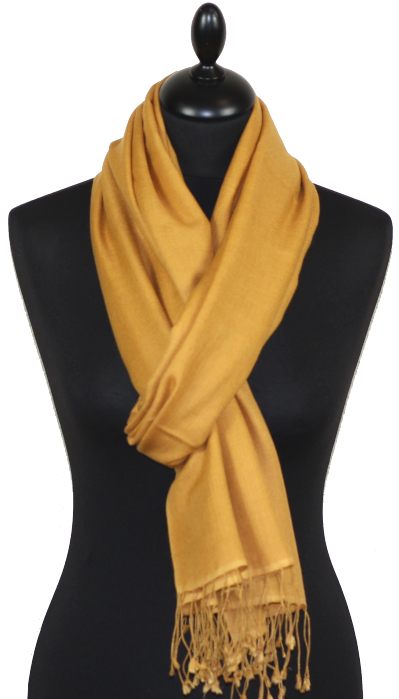
Saffron Yellow Pashmina
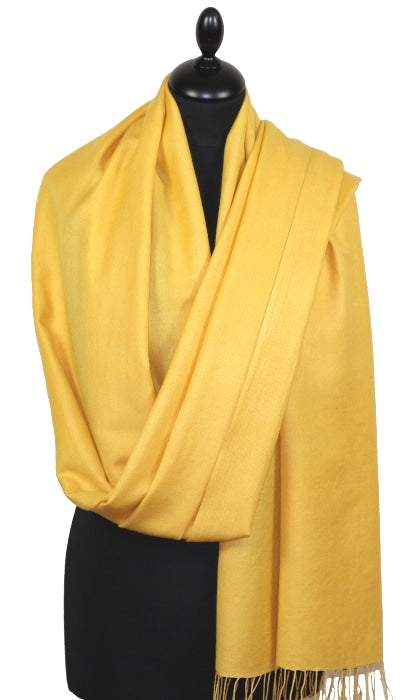
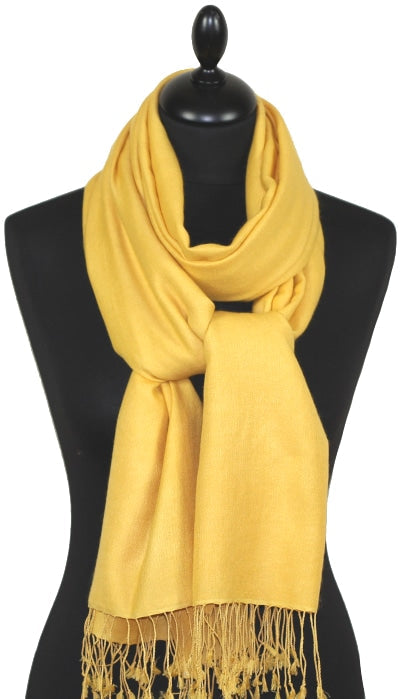
Sunshine Yellow Pashmina
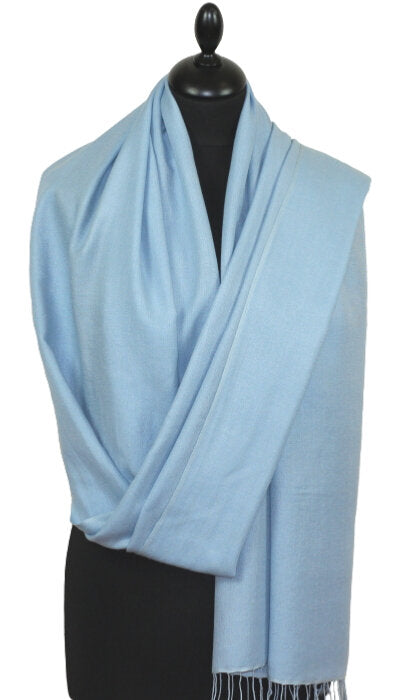
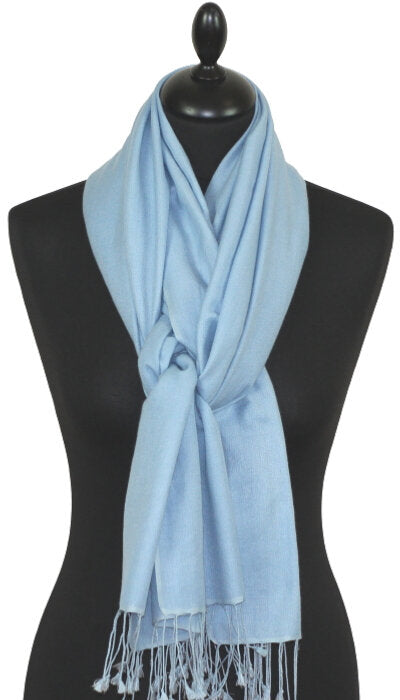
Sky Blue Pashmina
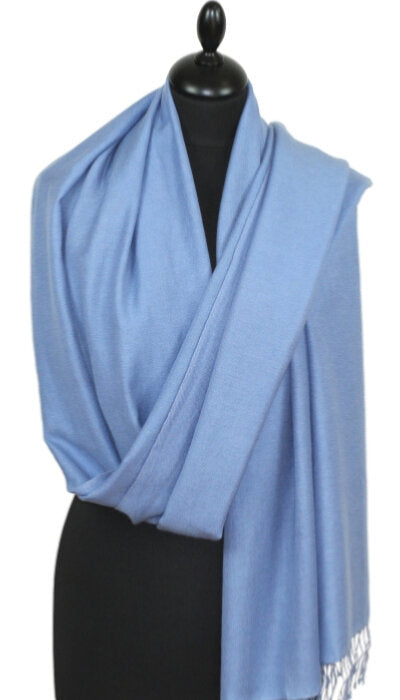
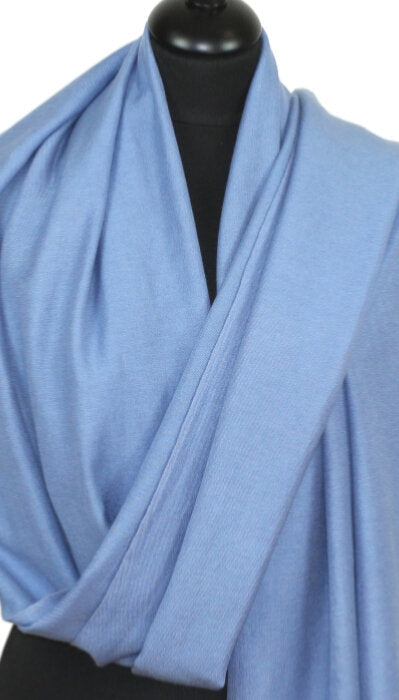
Blue-Grey Pashmina
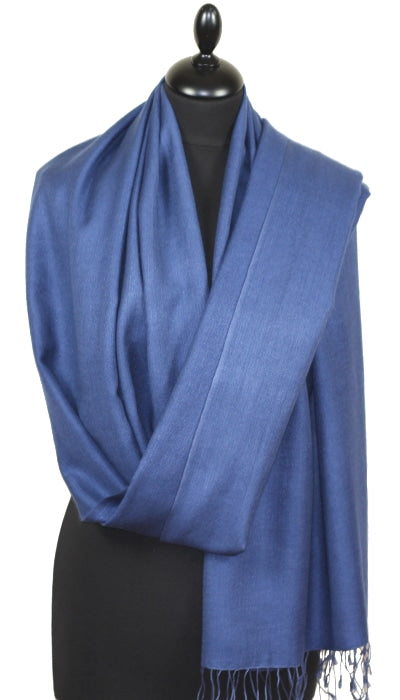

Denim Blue Pashmina
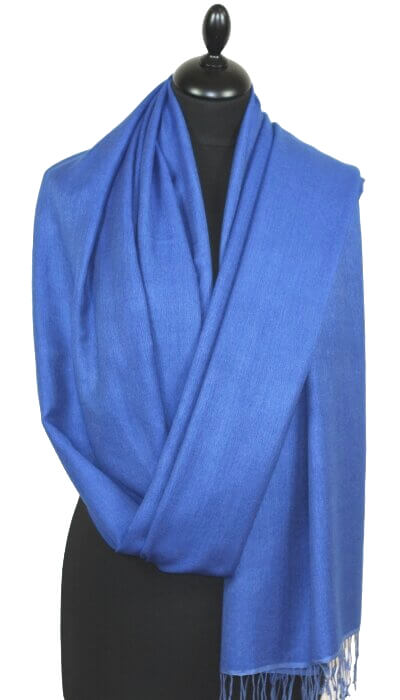
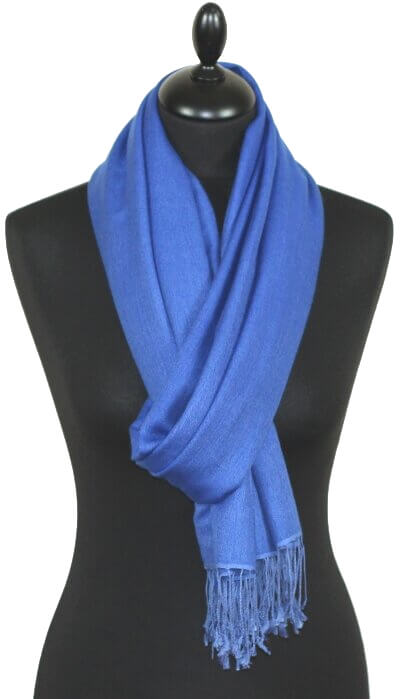
Royal Blue Pashmina
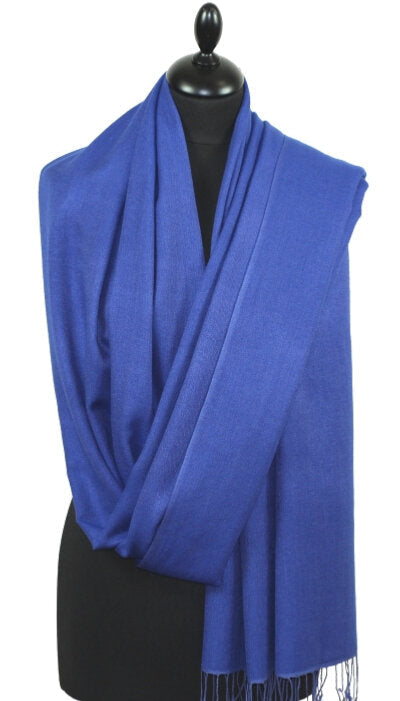
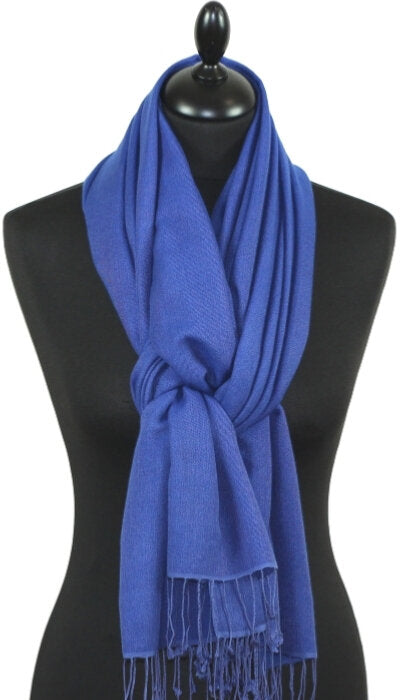
Sodalite Blue Pashmina
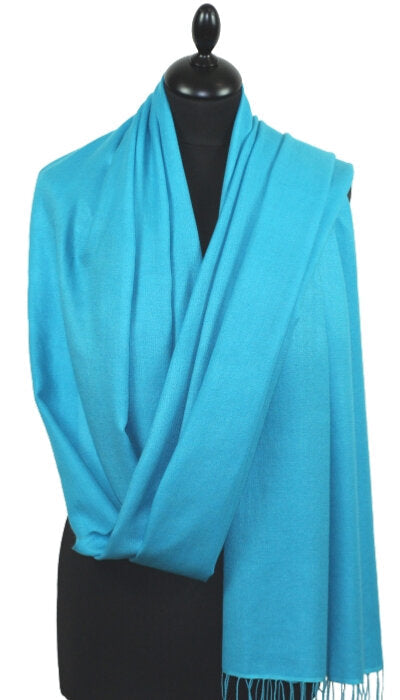
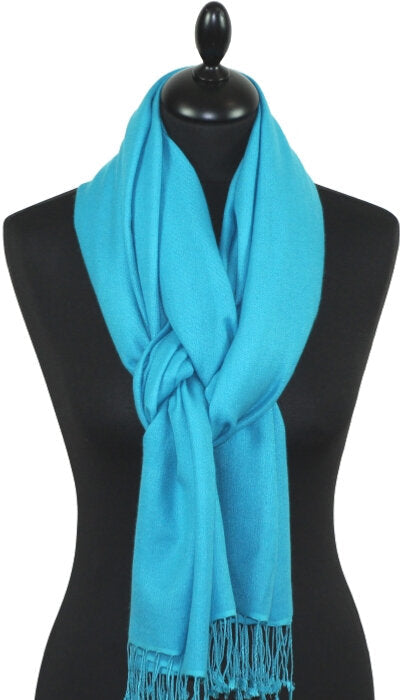
Turquoise Blue Pashmina

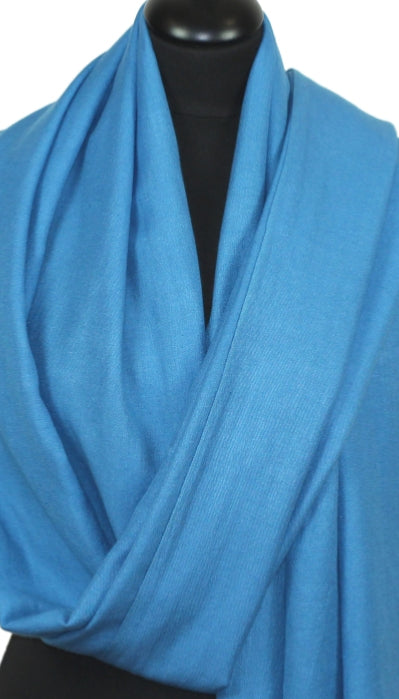
Maya Blue Pashmina
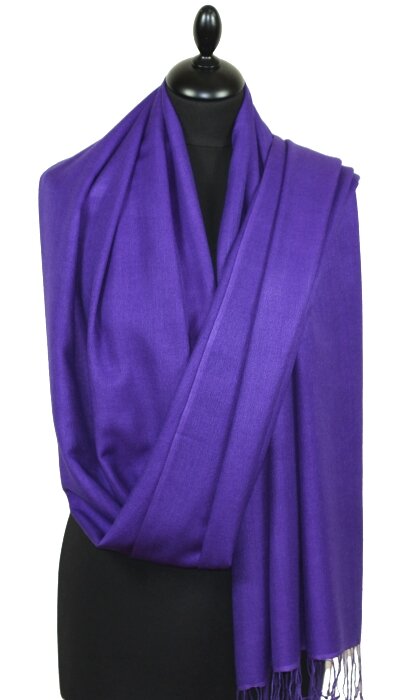
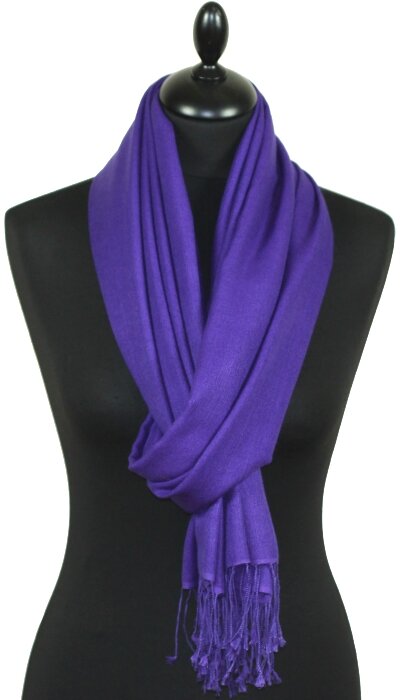
Royal Purple Pashmina
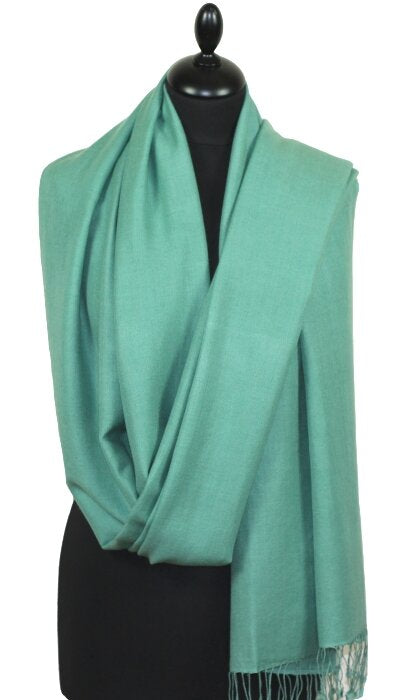
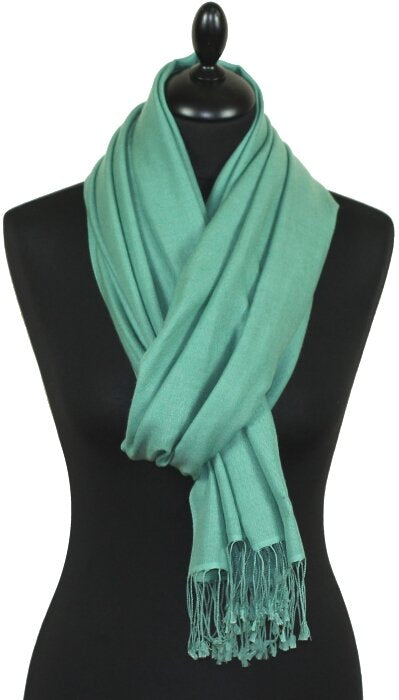
Seafoam green pashmina
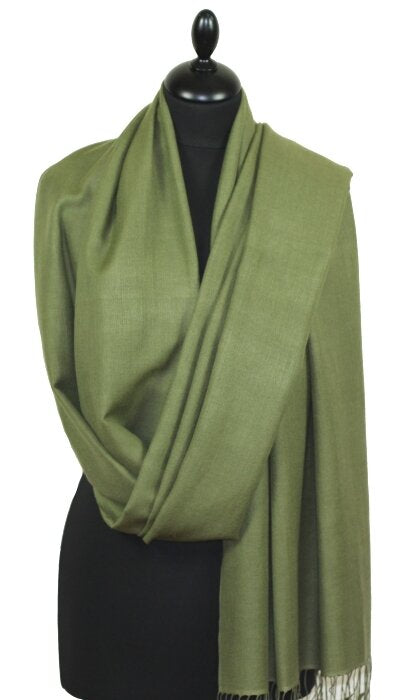
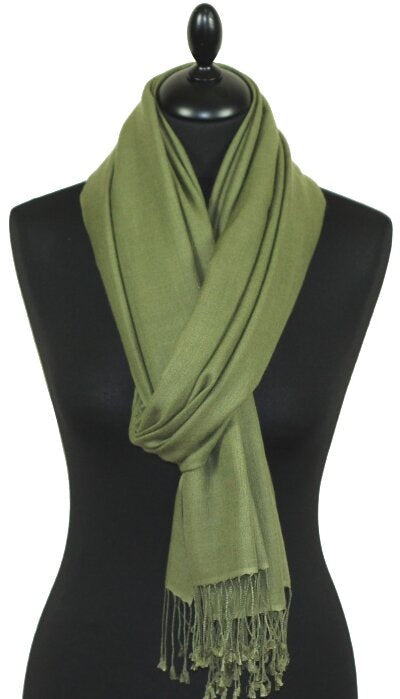
Olive Green Pashmina
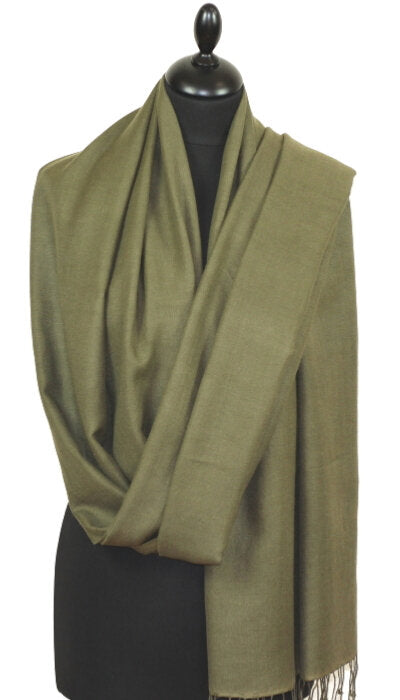
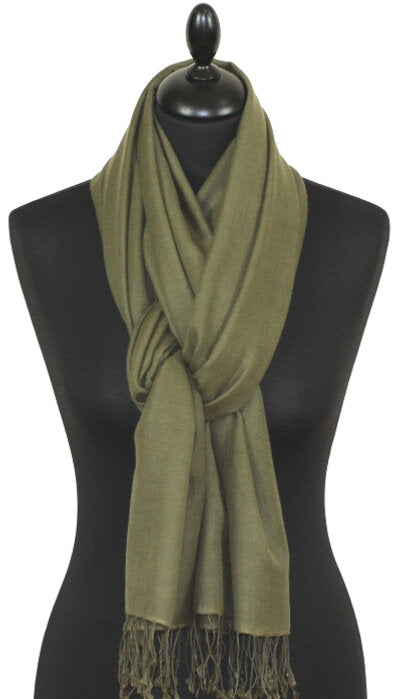
Khaki Green Pashmina
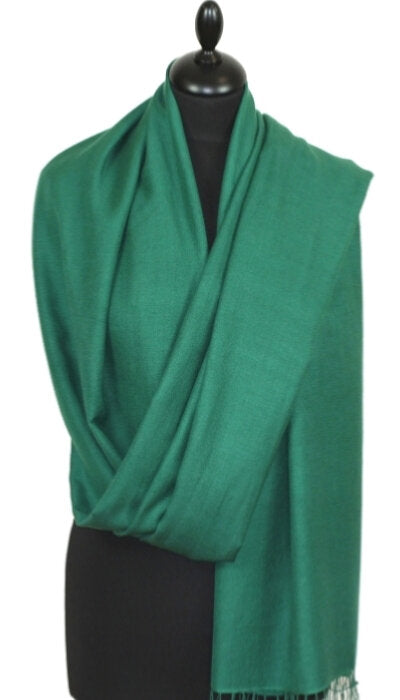
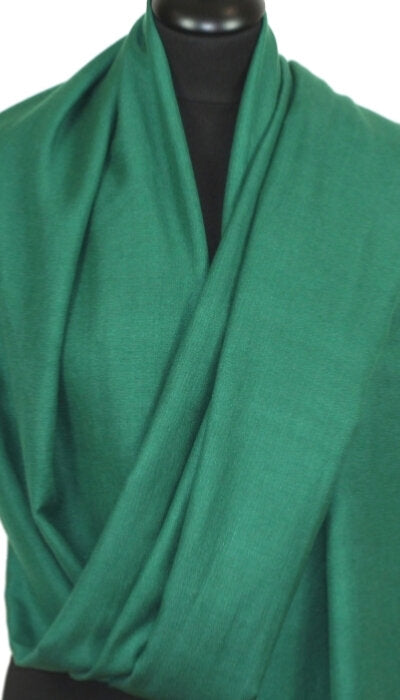
Forest Green Pashmina
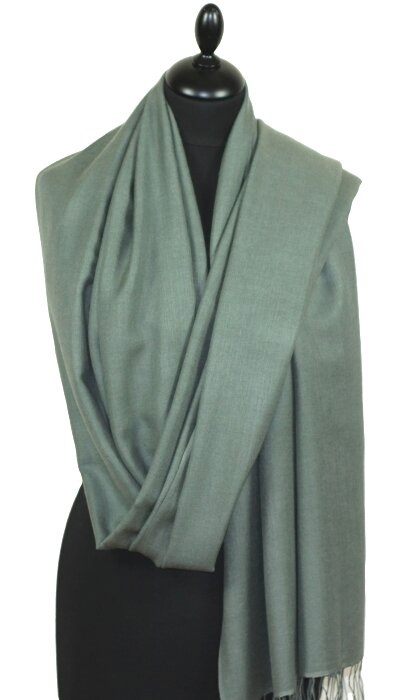
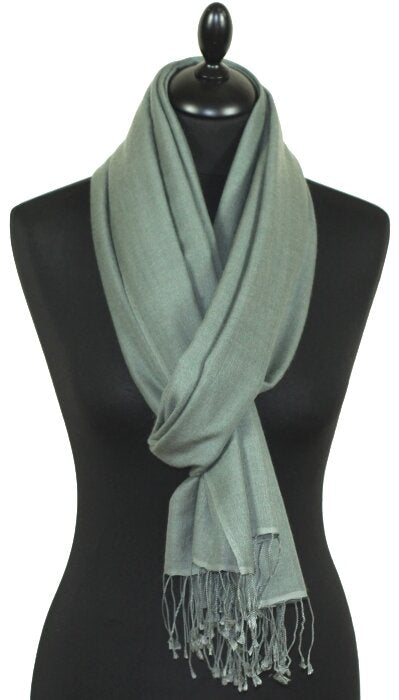
Green-Grey Pashmina
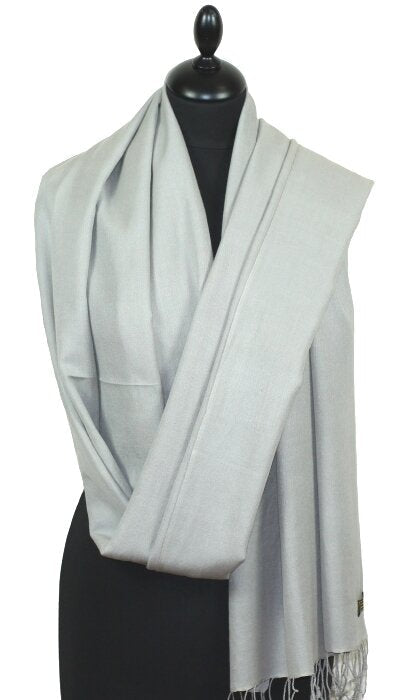
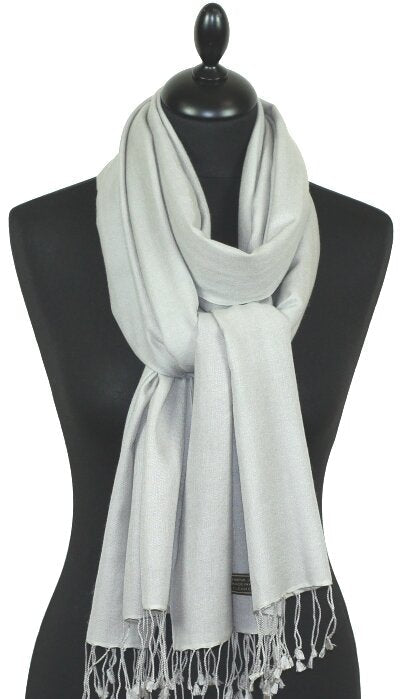
Silver Grey Pashmina
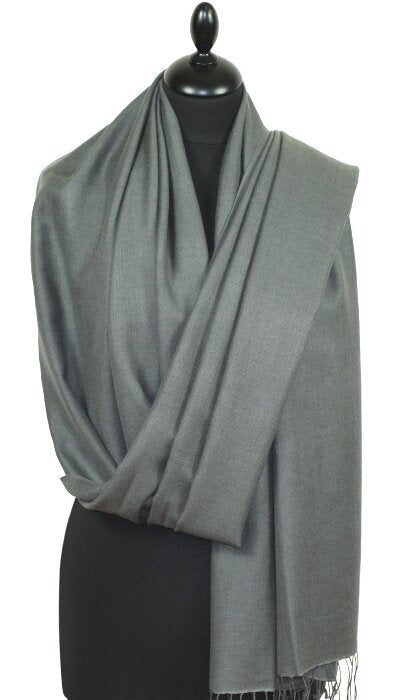
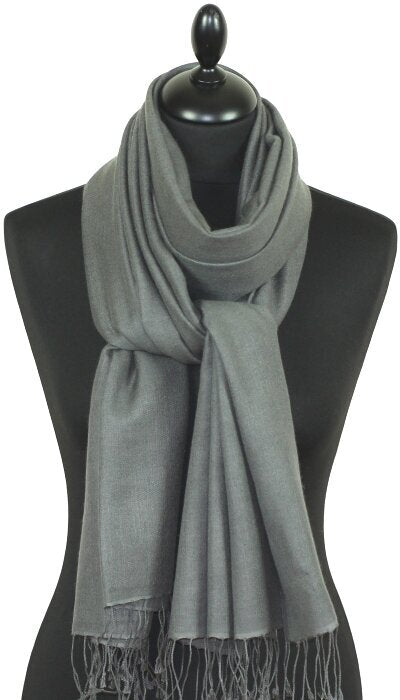
Charcoal Grey Pashmina
Frequently Asked Questions
Pashmina traditionally refers to an extremely fine down obtained from goats raised in the Himalayan regions. This fibre is valued for its fineness, lightness and ability to provide remarkable warmth despite its low weight. The term also refers to stoles and shawls made from this material.
Pashmina traditionally comes from the particularly fine undercoat of the Chyangra goat in Nepal and the Changthangi goat, also known as Changra, in Indian Kashmir, particularly in Ladakh. These breeds are adapted to the high plateaus of the Himalayas. Cashmere, on the other hand, can come from different breeds of goats raised in several regions of the world. The main differences lie in the breed and origin of the goat, its environment and the fineness of the selected down.
A quality pashmina, made with careful craftsmanship, can be recognised by the fineness of its material, its softness, lightness and suppleness. Despite its low weight, it should provide pleasant warmth. It is sometimes said that a genuine pashmina should be able to pass through a ring, but this test is not an absolute rule: it depends in particular on the size, thickness and weave of the pashmina. An even weave and careful finishing remain better indicators of quality.
The price of a genuine pashmina varies according to the quality and fineness of the fibre, the weaving time and the weight of each piece, while hand-embroidered pashminas can reach much higher prices because of the work required to make them.