

pashmina

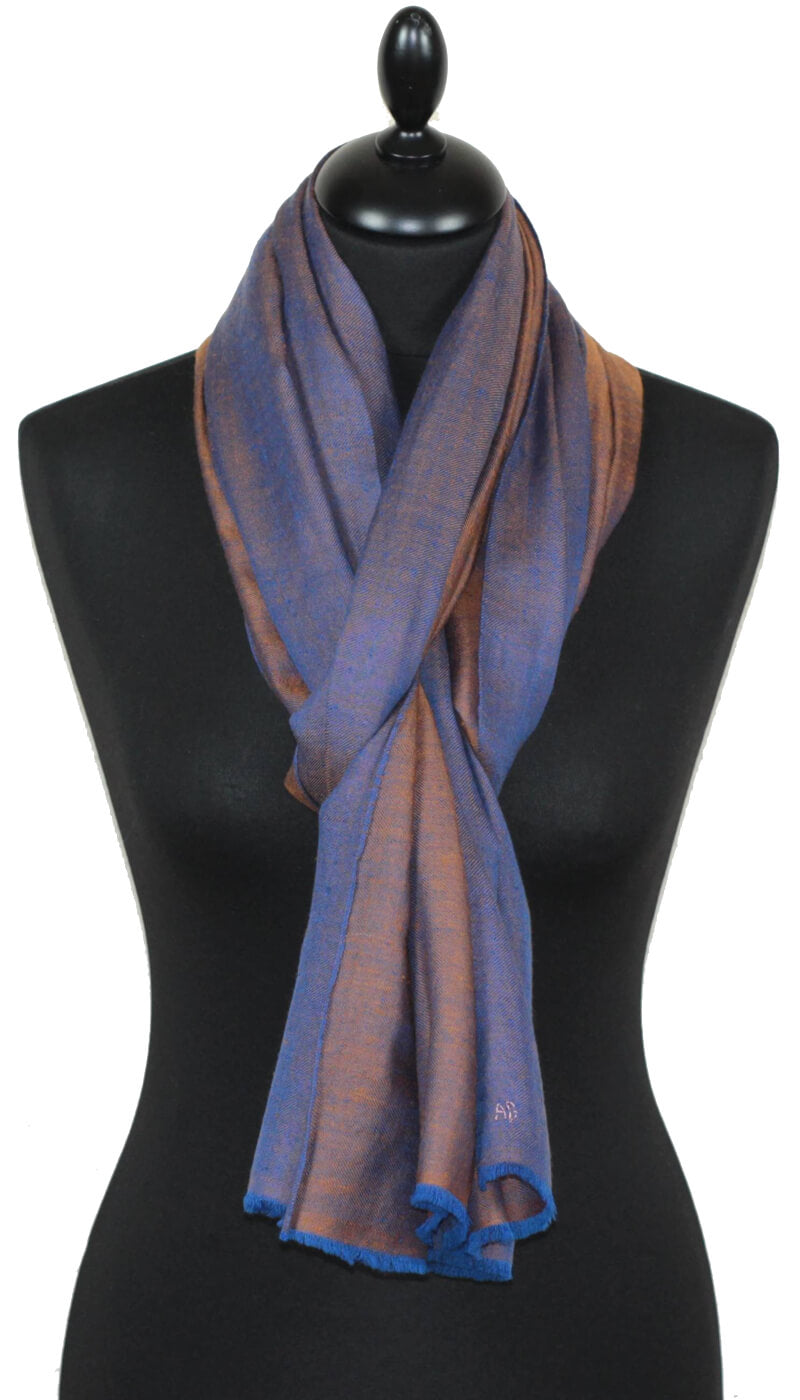
Two-Tone Orange-Blue Pashmina
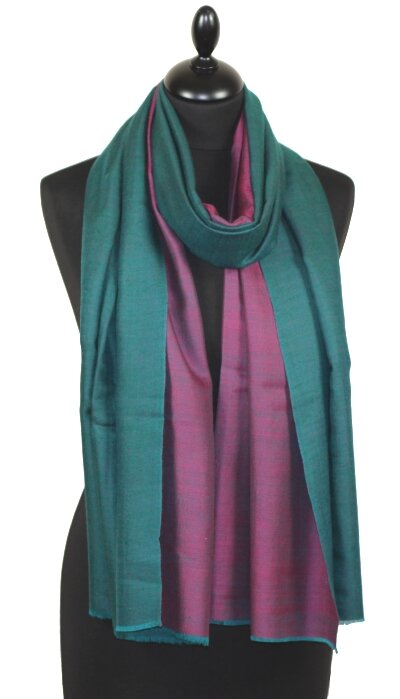
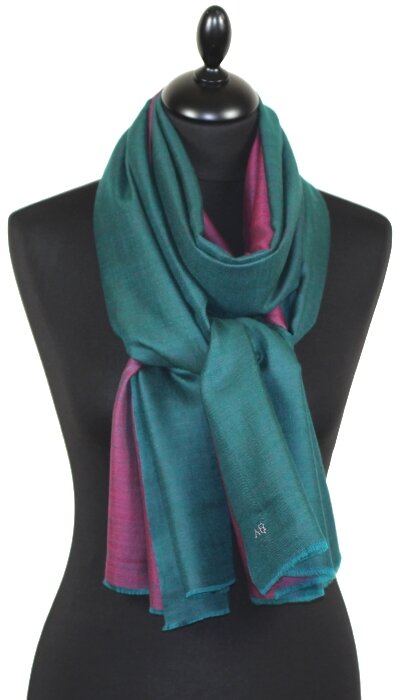
Two-Tone Green-Fuchsia Pashmina
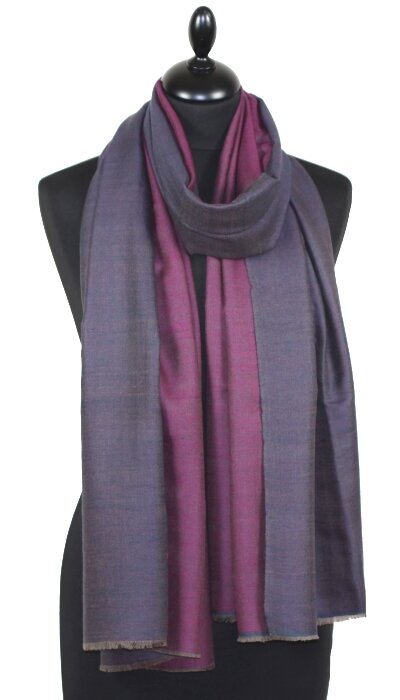
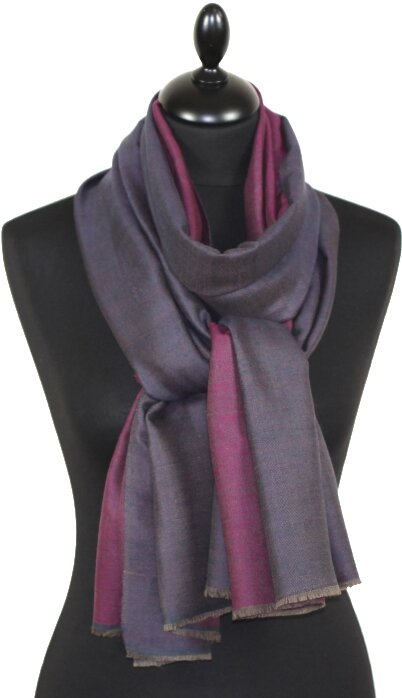
Two-Tone Navy-Fuchsia Pashmina
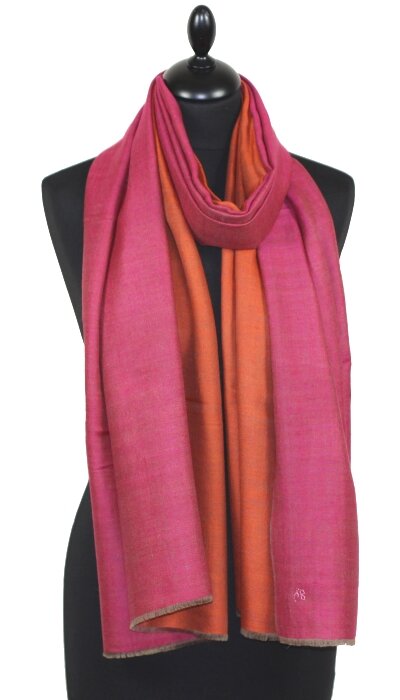
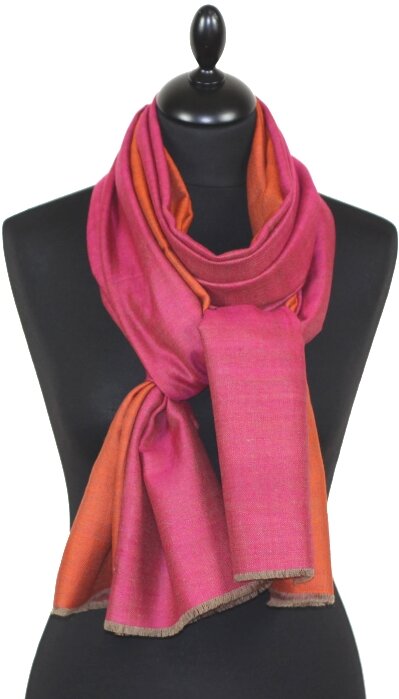
Two-Tone Fuchsia-Orange Pashmina
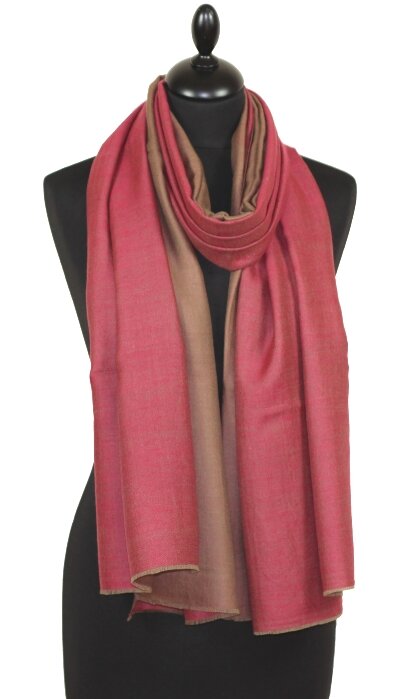
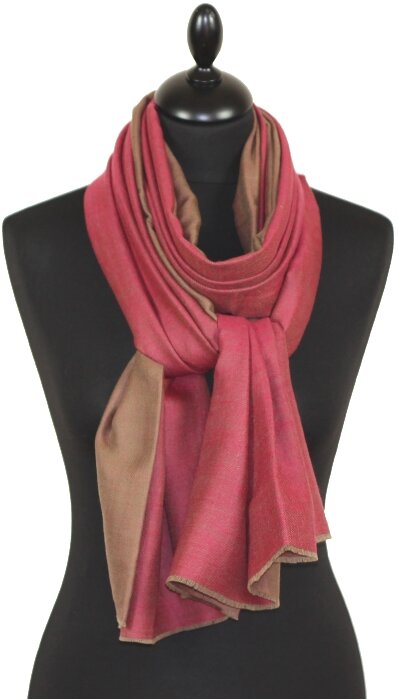
Two-Tone Fuchsia-Beige Pashmina
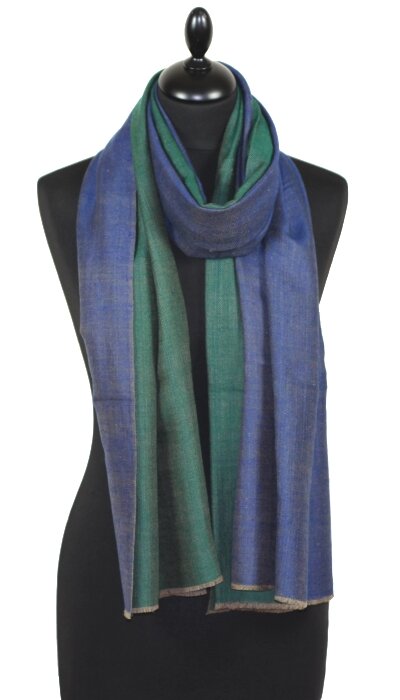
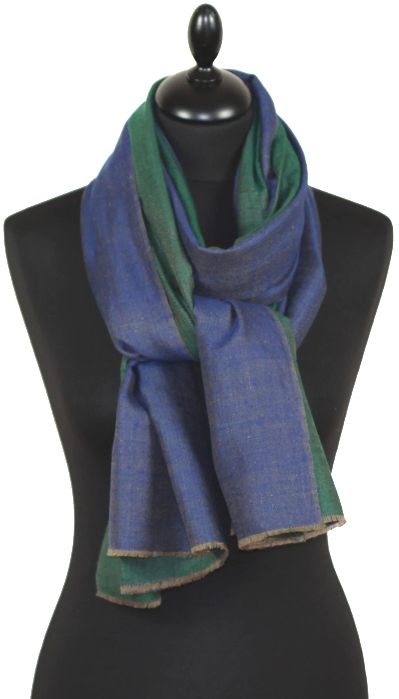
Two-Tone Blue-Green Pashmina
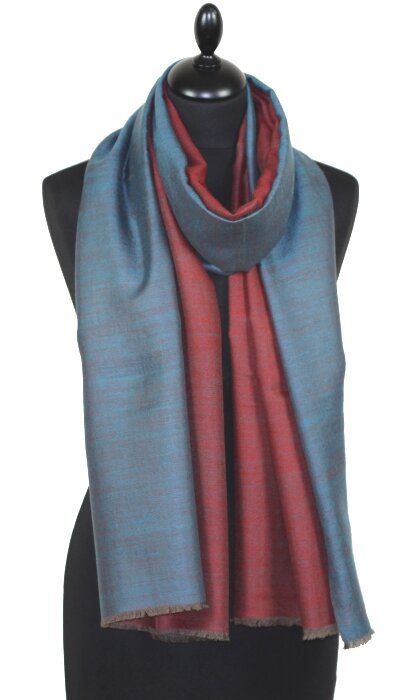
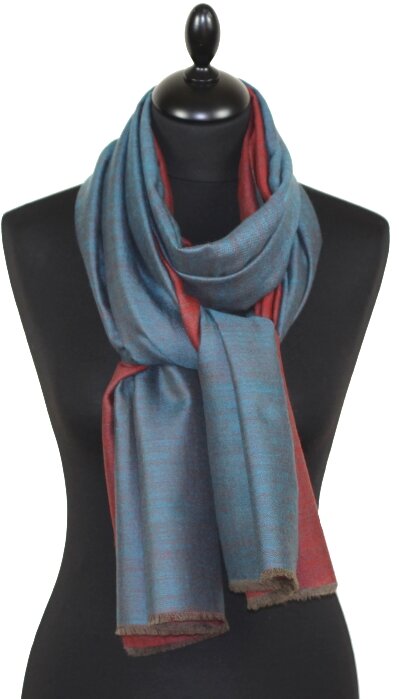
Two-Tone Blue-Red Pashmina
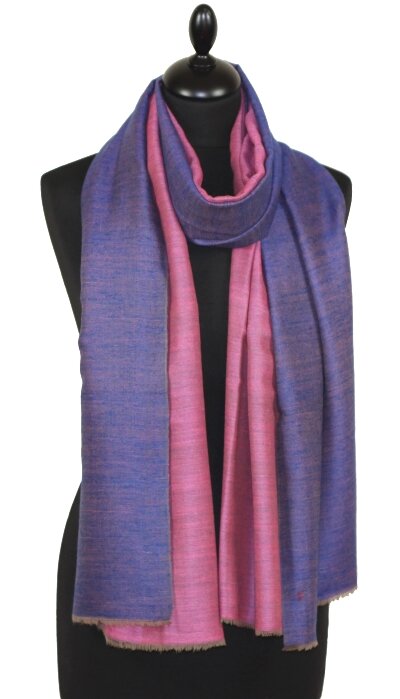

Two-Tone Blue-Pink Pashmina


Natural Taupe Pashmina
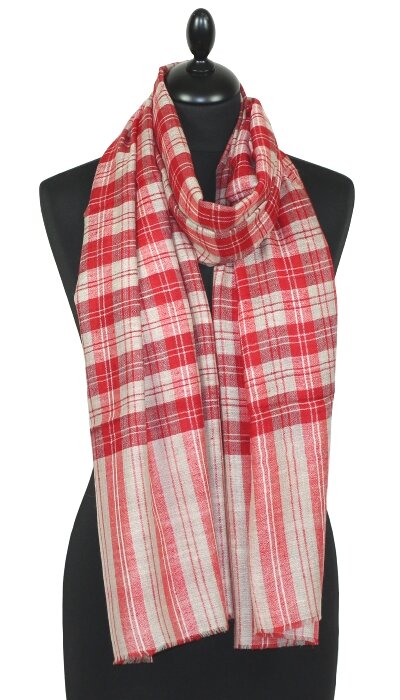
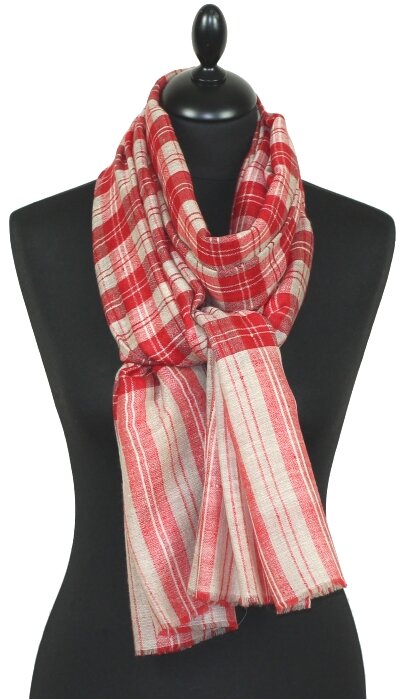
Red-Ecru Pashmina
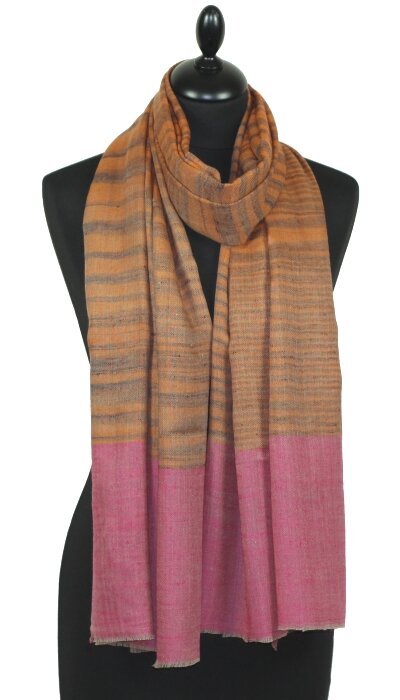
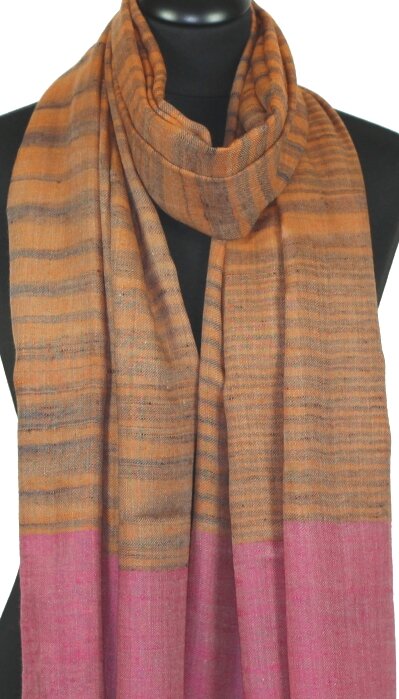
Orange-Black-Fuchsia Pashmina


Black Pashmina
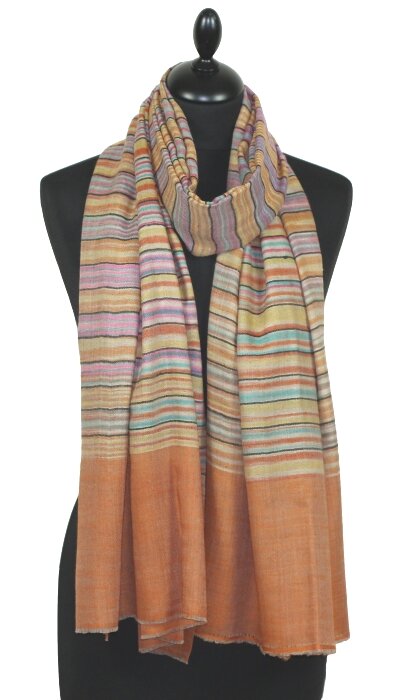
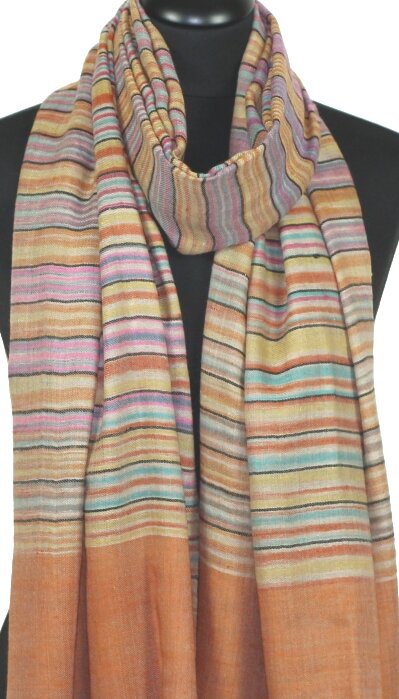
Multicolor Striped Pashmina
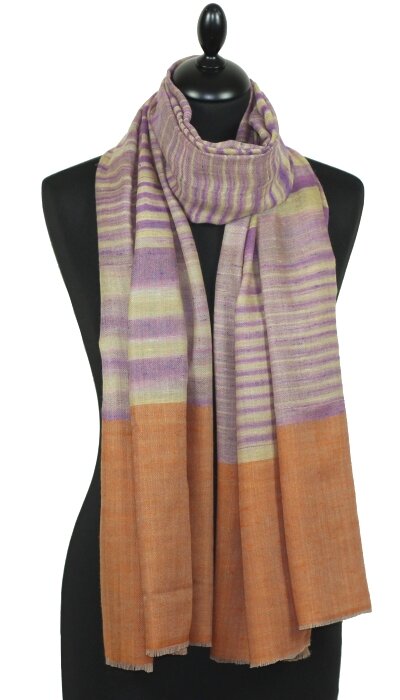
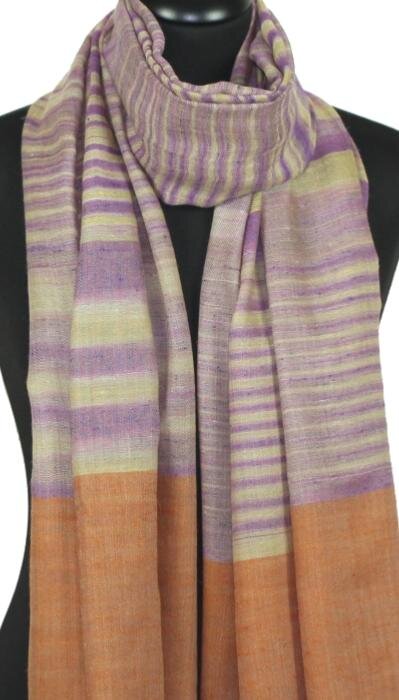
Lilac-Champagne-Orange Pashmina


Natural Ivory Pashmina


Natural Ecru Pashmina
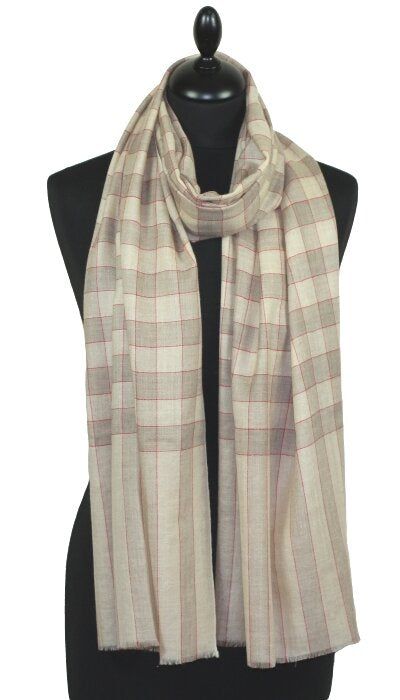
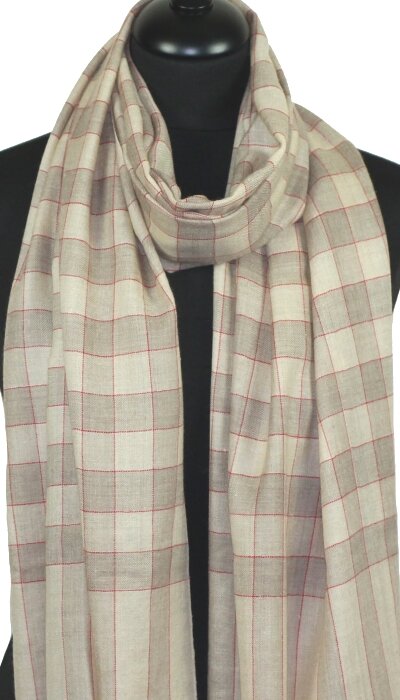
Natural Beige Pashmina


Natural Grey-Beige Pashmina
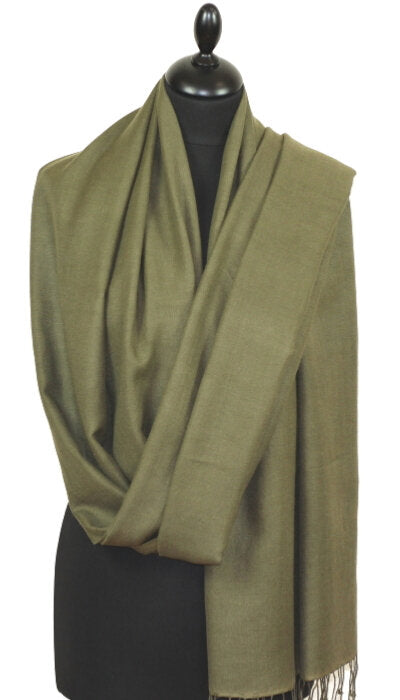
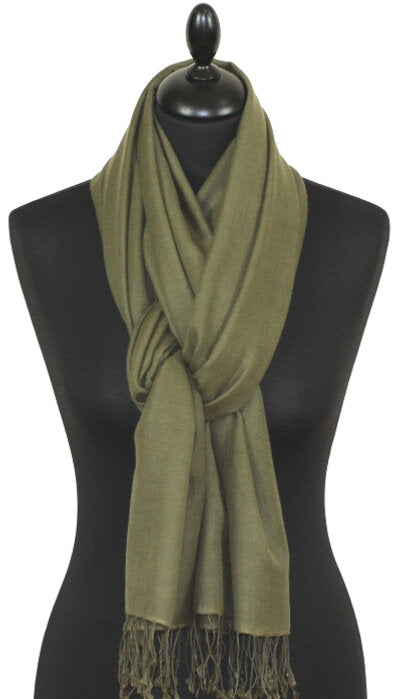
Khaki Green Pashmina
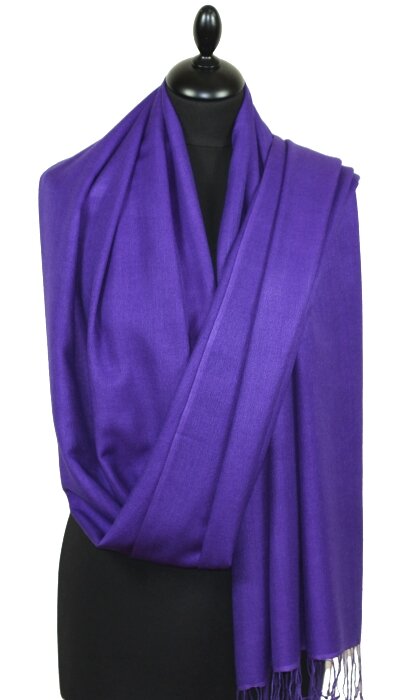
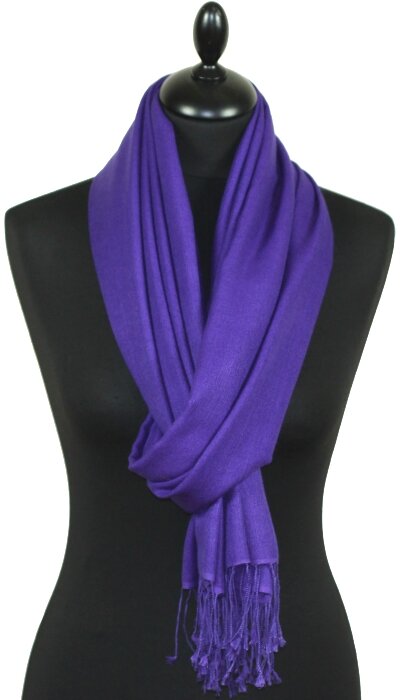
Royal Purple Pashmina
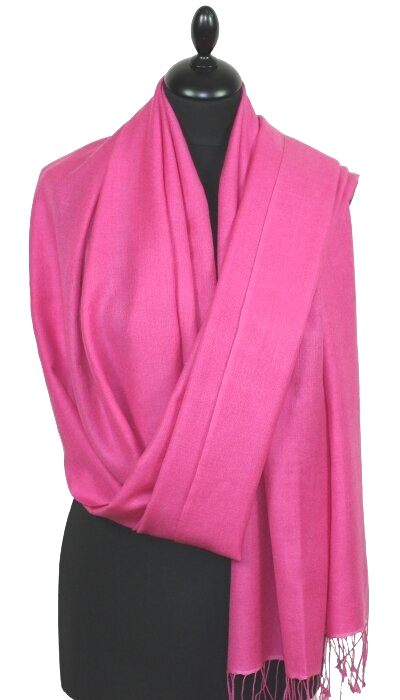
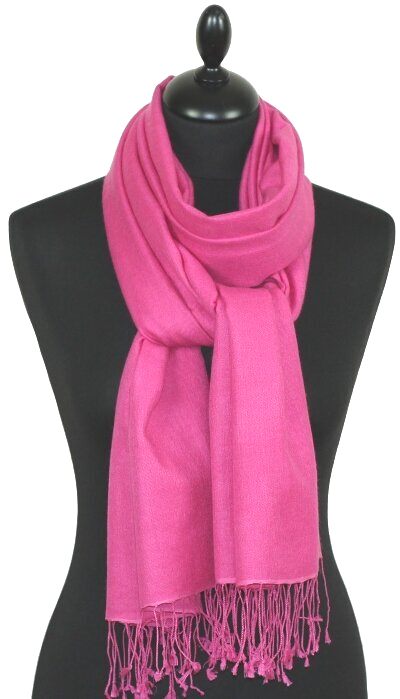
Fuchsia Pashmina
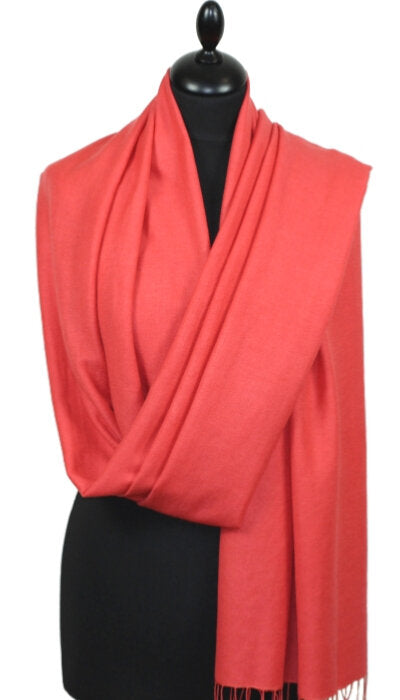
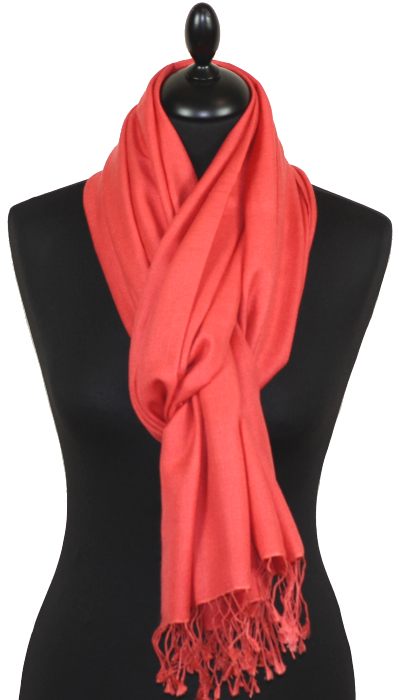
Coral Pashmina

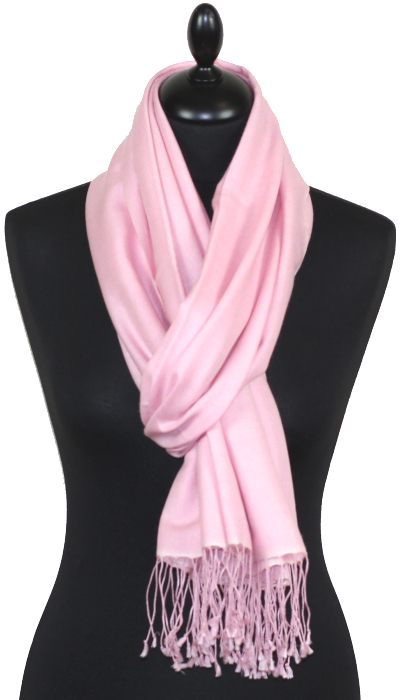
Pale Pink Pashmina
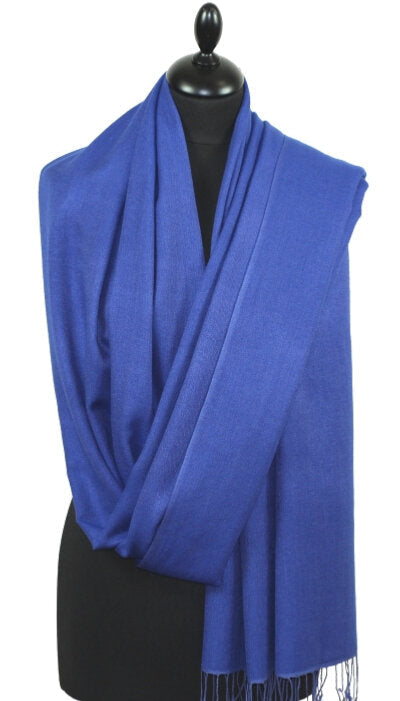
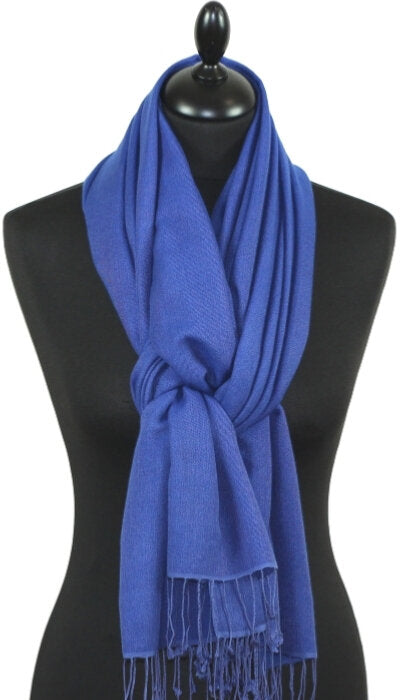
Sodalite Blue Pashmina
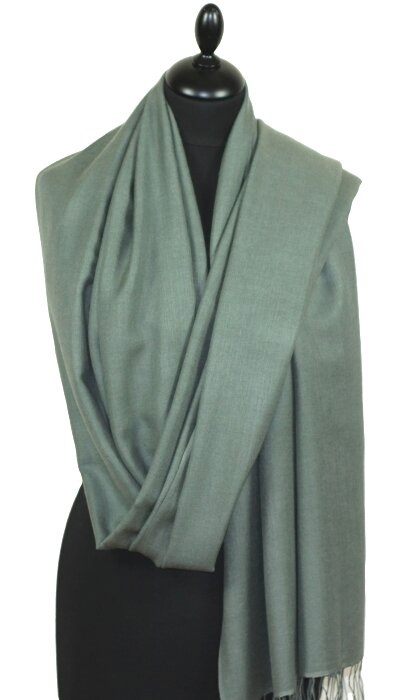
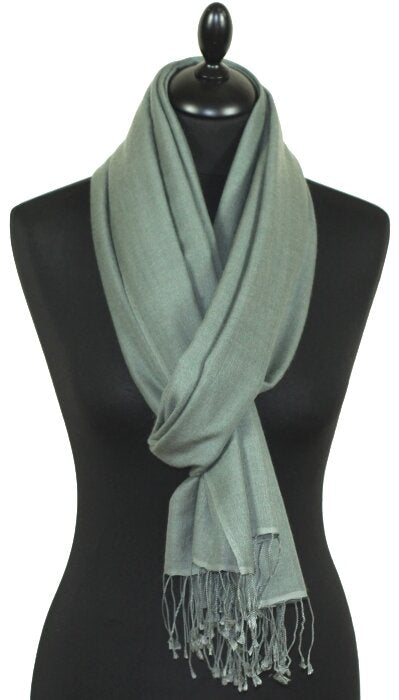
Green-Grey Pashmina
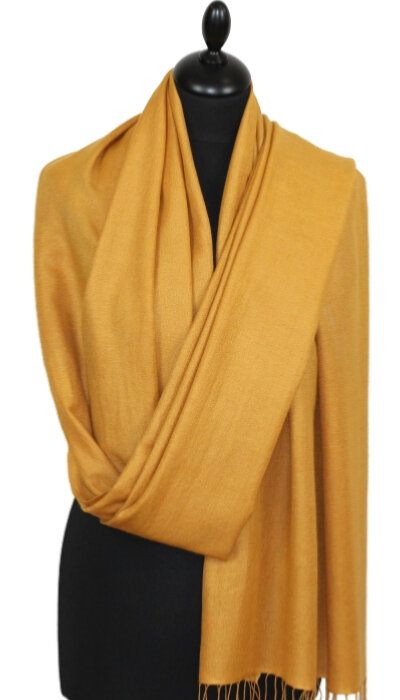
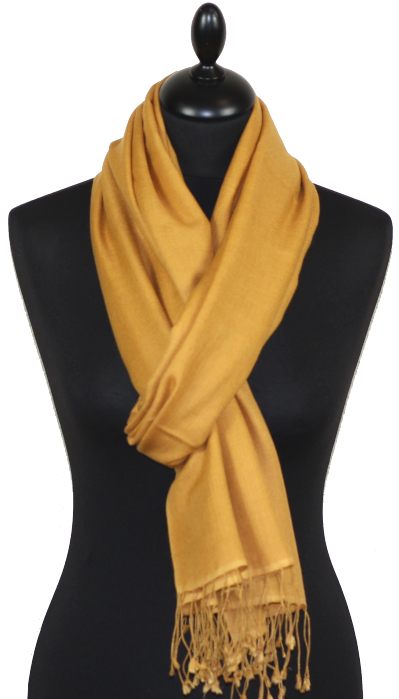
Saffron Yellow Pashmina
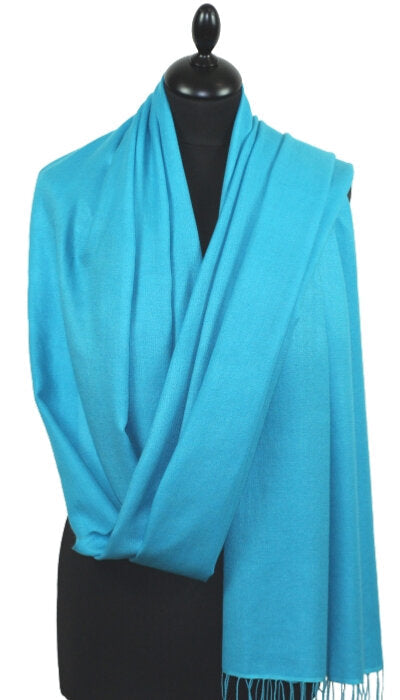
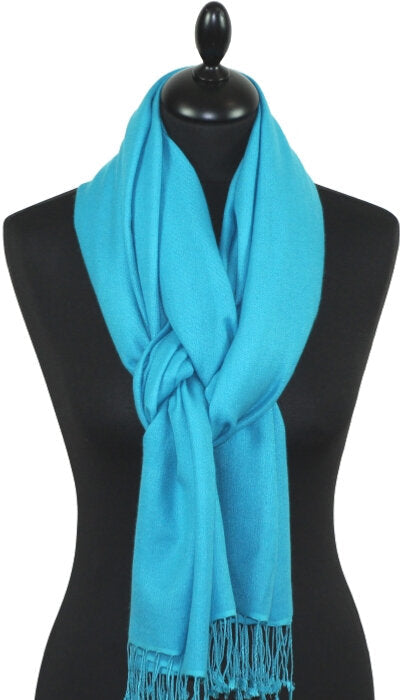
Turquoise Blue Pashmina
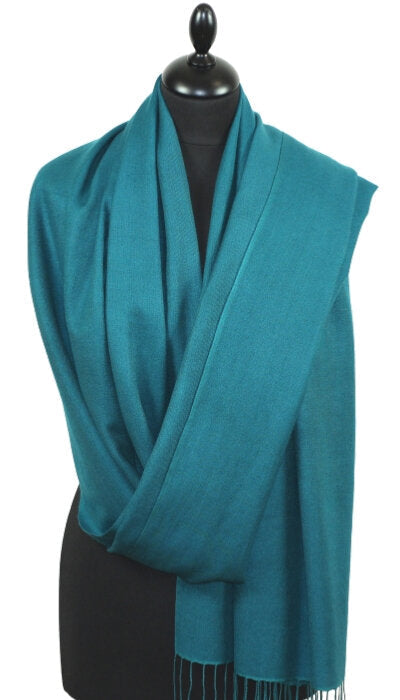
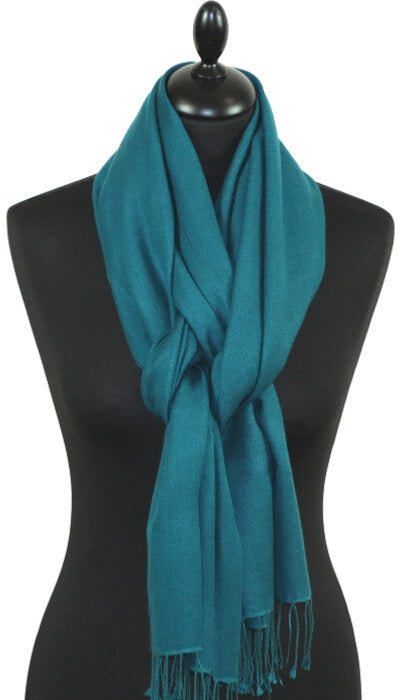
Teal Pashmina
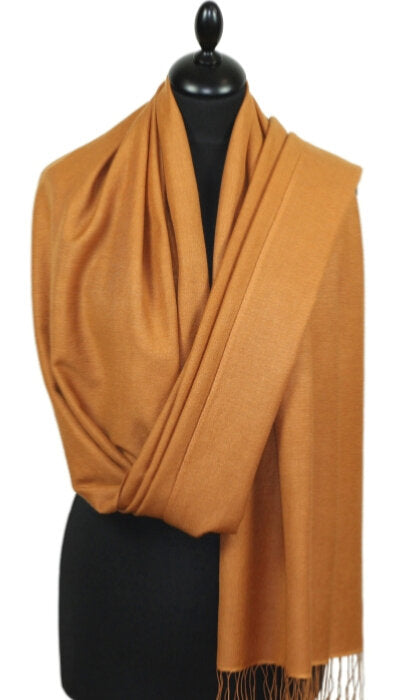
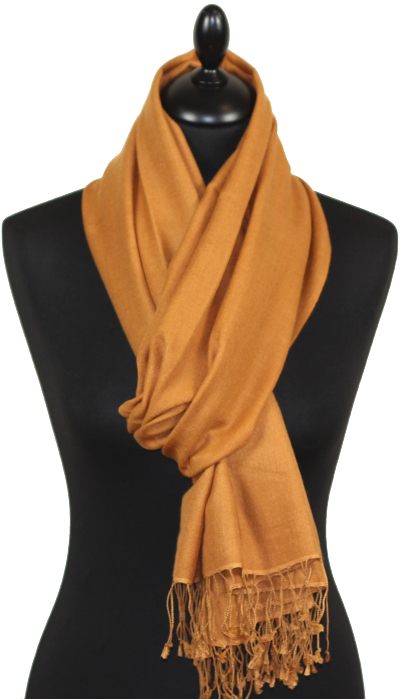
Caramel Pashmina

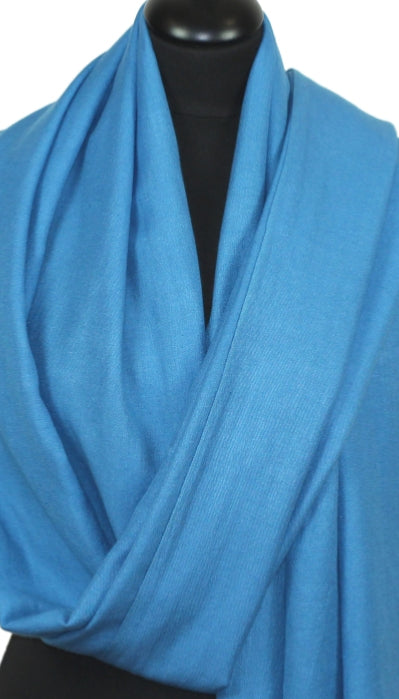
Maya Blue Pashmina
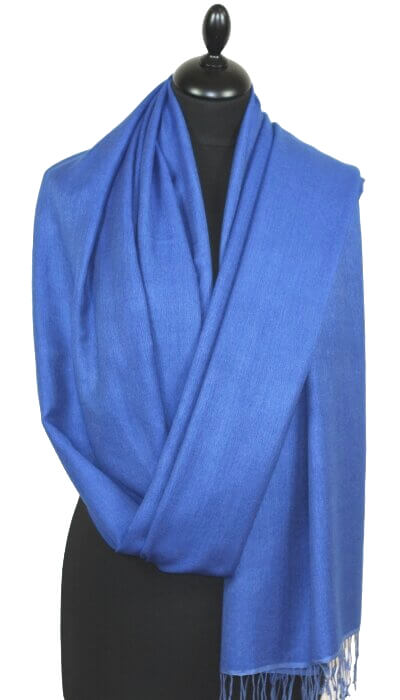
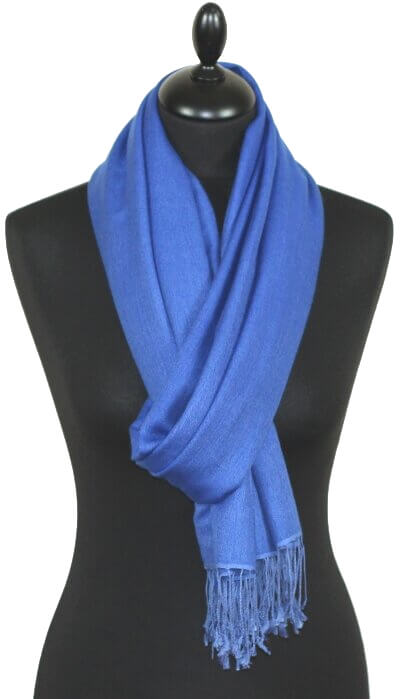
Royal Blue Pashmina
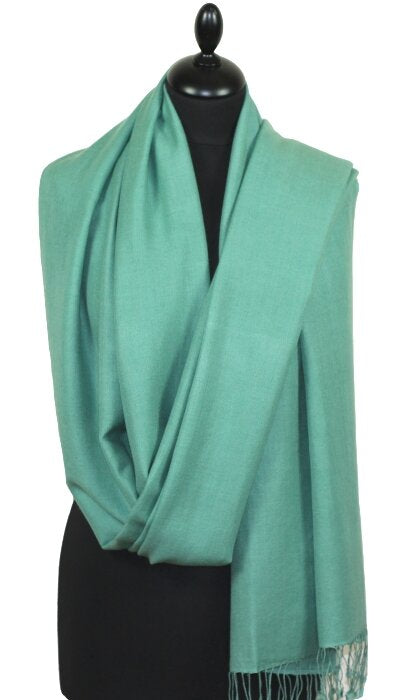
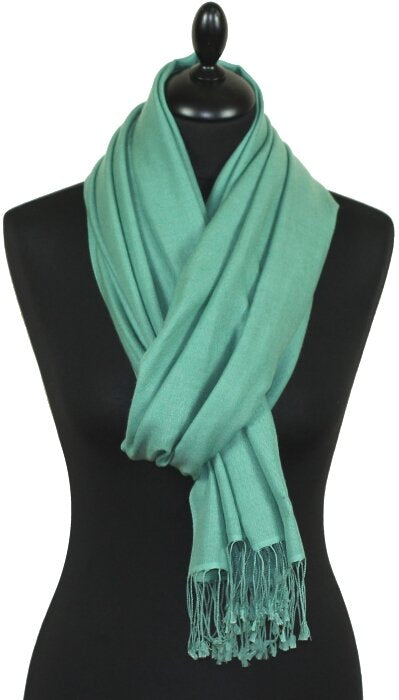
Seafoam green pashmina
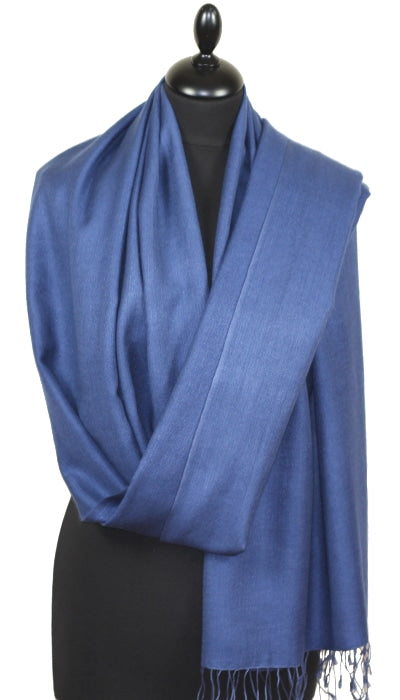

Denim Blue Pashmina
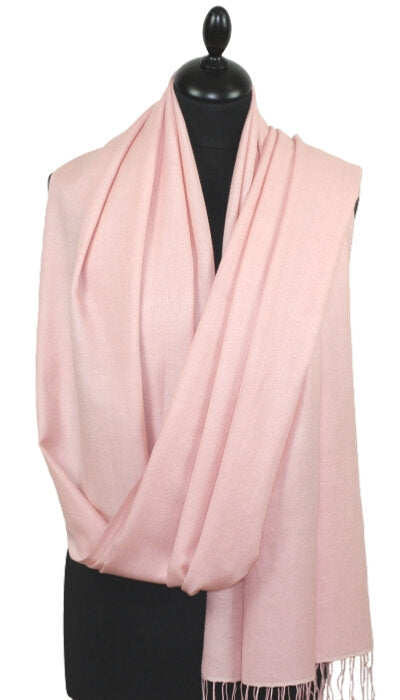

Powder pink pashmina
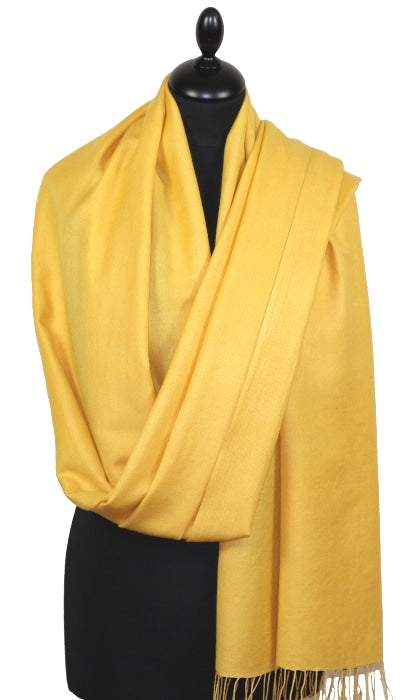
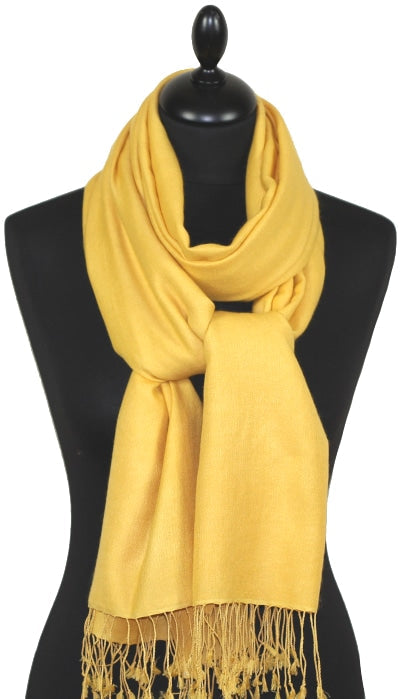
Sunshine Yellow Pashmina
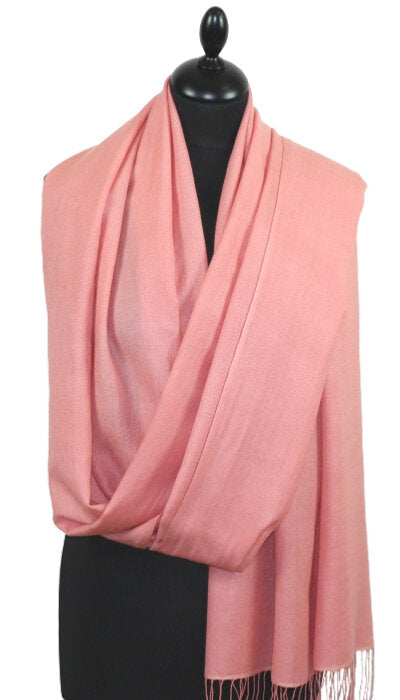
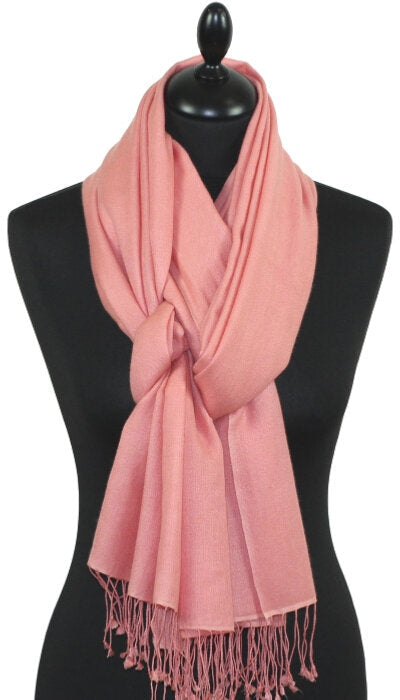
Salmon Pashmina
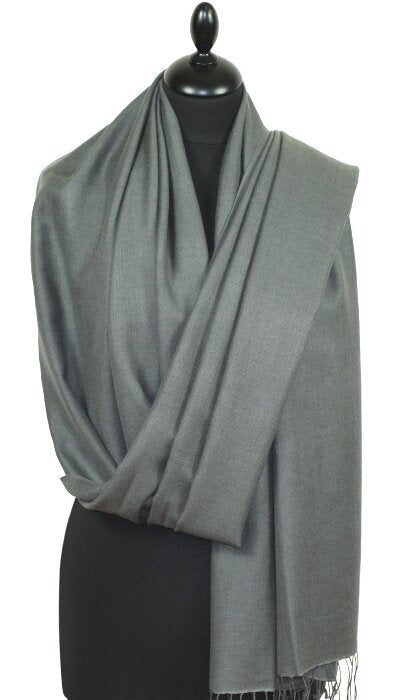
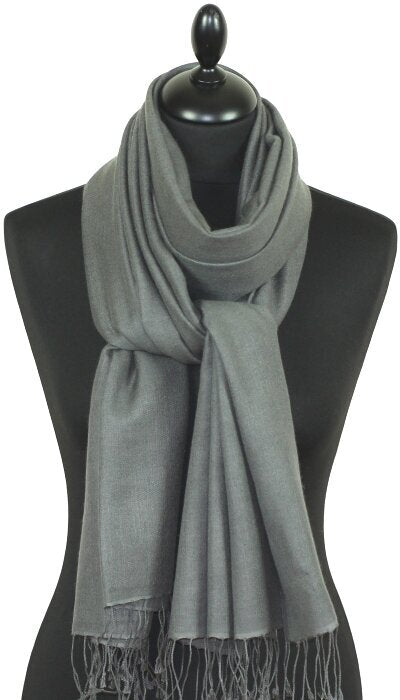
Charcoal Grey Pashmina
Pashmina: a collection of different craftsmanship
Our pashmina collection brings together pieces selected in India and Nepal, made using different materials and traditional skills. From plain designs to embroidered pieces, each pashmina stands out for its fine texture, softness and elegance.
The different types of pashmina
Depending on the material and style you are looking for, discover our Nepal pashmina in cashmere and silk, our 100% cashmere pashmina and our hand-embroidered pashminas.
How to choose a pashmina?
Choosing a pashmina depends on the material, the level of warmth and the style you prefer. A pashmina in cashmere and silk stands out for its softness, fluidity and lustre, while a 100% cashmere pashmina offers remarkable softness and natural warmth. For a truly exceptional piece, hand-embroidered pashminas are among the most precious models in our collection: each piece is entirely embroidered by hand with a needle by skilled artisans over many hours, making it unique.
Frequently asked questions about pashmina
A pashmina is a fabric made from particularly fine cashmere obtained from the down of certain goats living in the Himalayan regions. This very soft and insulating fibre is traditionally collected from the areas where the down is finest, especially around the neck and chest. Today, the term pashmina refers both to this exceptional fibre and to the large stoles made from it, appreciated for their softness, fineness and warmth.
The price of a pashmina depends on the amount of material used, its size and the work required to make it. A large, thick pashmina or a piece entirely hand-embroidered will naturally cost more than a lighter model. The quality of the fibre also varies according to the goats and their breeding conditions: on the high plateaus of Changthang, from Ladakh to Tibet, as well as in the trans-Himalayan regions of Nepal, altitude and cold climate favour the development of very fine, soft and insulating down.
A pashmina can be worn around the neck like a scarf, draped over the shoulders or placed over a dress or jacket. Its generous size makes it easy to vary the way it is worn depending on the season, the outfit and the occasion.
Yes, a pashmina can be washed, but it requires delicate care. Hand washing in cold or slightly lukewarm water with a small amount of detergent suitable for cashmere is recommended. Avoid rubbing or twisting it, then leave it to dry flat, away from direct heat.